
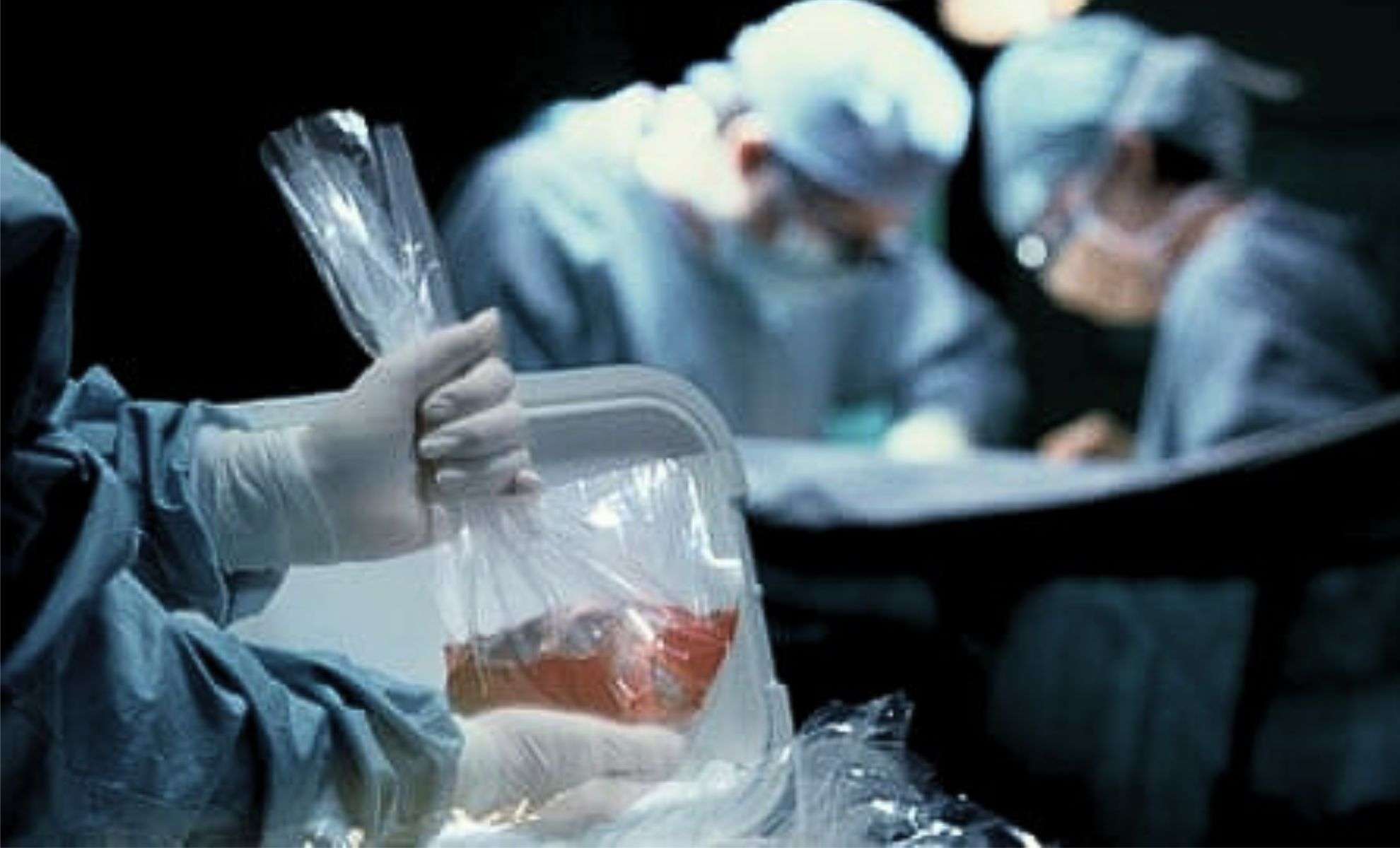
A patient in Kentucky nearly had his organs harvested when doctors discovered he was still alive. This startling event has led to federal investigations, personnel stepping down, and reignited debates on defining death medically.
In October 2021, at Baptist Health Richmond, 36-year-old Anthony “TJ” Hoover II was admitted after a drug overdose and pronounced brain dead due to absence of brain activity and reflexes. As an authorized organ donor, his organs were set to be retrieved—until the procedure abruptly halted.
Midway through the organ extraction, Hoover reportedly began moving vigorously on the operating table and showed signs of crying, with tears streaming down his face, according to a report by NPR. Two physicians refused to continue, immediately stopping the retrieval. Despite serious neurological damage, Hoover survived.

Three years on, he now lives with his sister, who acts as his legal guardian. The case continues to reverberate throughout the healthcare field and beyond.
Challenges Within the Organ Donation Network
In the US, organ donation is coordinated by non-profit Organ Procurement Organizations (OPOs) collaborating with hospitals. The demand is critical—with the Organ Procurement and Transplantation Network (OPTN) reporting over 103,000 individuals awaiting vital transplants.
However, whistleblower accounts presented to the House Energy and Commerce Committee in September, alongside investigative pieces by NPR, have exposed systemic issues, including pressure tactics, miscommunication, and questionable patient care.
During Hoover’s ordeal, Natasha Miller, a preservationist affiliated with Kentucky Organ Donor Affiliates (KODA), stated she witnessed Hoover moving and crying during preparations. "He was thrashing on the bed, and when we looked closer, tears were visibly streaming down his cheeks," she recounted.
Documents suggest that upon raising concerns, Miller was advised to "find another doctor to do it." Preservationist Nyckoletta Martin resigned afterward, explaining to NPR, "It's everyone’s worst nightmare—to be awake during surgery, realizing that your organs are about to be taken," she said.
Validity of Brain Death Determination Under Scrutiny
The accepted medical criteria for brain death has long been seen as definitive. Yet, recent studies challenge this certainty.
A paper published by the Proceedings of the National Academy of Sciences revealed unexpected gamma-wave activity—associated with conscious thought—in the brains of comatose patients minutes after cardiac arrest.
Neurologists debate whether these signals indicate residual awareness or represent the brain’s final survival attempts. Either interpretation suggests death is a more gradual process than previously believed.
The Hoover incident elevated concerns. Transplant surgeon Dr. Robert Cannon from the University of Alabama at Birmingham testified about a similar case where a patient resumed breathing after being declared brain dead. "It was surprising that some OPO personnel lacked understanding of brain death, telling us to proceed regardless," he shared with NPR.
Ethicists like Dr. Matthew DeCamp from University of Colorado call for revising brain death standards, warning that "continued disagreements about death determination" could lead to severe consequences.
Federal Agencies Investigate Amidst Organizational Denials
Following the event, several authorities have launched inquiries. The Kentucky Attorney General’s Office confirmed its probe, while the Health Resources and Services Administration (HRSA)—responsible for overseeing the transplant system—stated it is conducting an internal review.
Nevertheless, KODA has denied any misconduct. In a statement relayed to NPR, its parent organization Network for Hope asserted the incident was "misrepresented" and emphasized that "KODA staff have never been pressured to procure organs from living patients,".
Greg Segal, founder of the advocacy group Organize, says allegations of this nature surface frequently. “I receive complaints like this alarmingly often,” he told NPR. Legal bioethicist Thaddeus Pope concurred, noting: “Incidents like this have been reported before; it is not isolated.”
Meanwhile, OPO representatives warn about the fallout. The Association of Organ Procurement Organizations (AOPO) released a letter on October 3 cautioning that "harmful misinformation" is damaging public confidence and causing a notable decline in organ donor registration.










0 comments
Sign in to Comment