
In 2025, sky enthusiasts have the opportunity to witness two solar eclipses, with the first being a partial eclipse occurring in late March. This event will captivate millions across Europe and North Africa, presenting a remarkable cosmic spectacle that calls for careful preparation to fully enjoy.
Understanding the Solar Eclipse Phenomenon
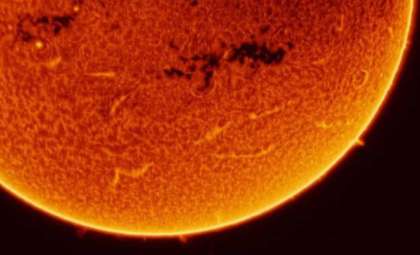
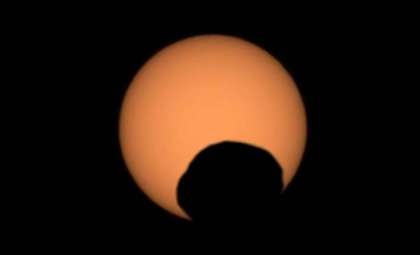
A solar eclipse happens when the Moon passes between the Earth and the Sun, obstructing all or part of the solar disk. This alignment involves intricate celestial dynamics, influenced by the relative positions and distances between these bodies.
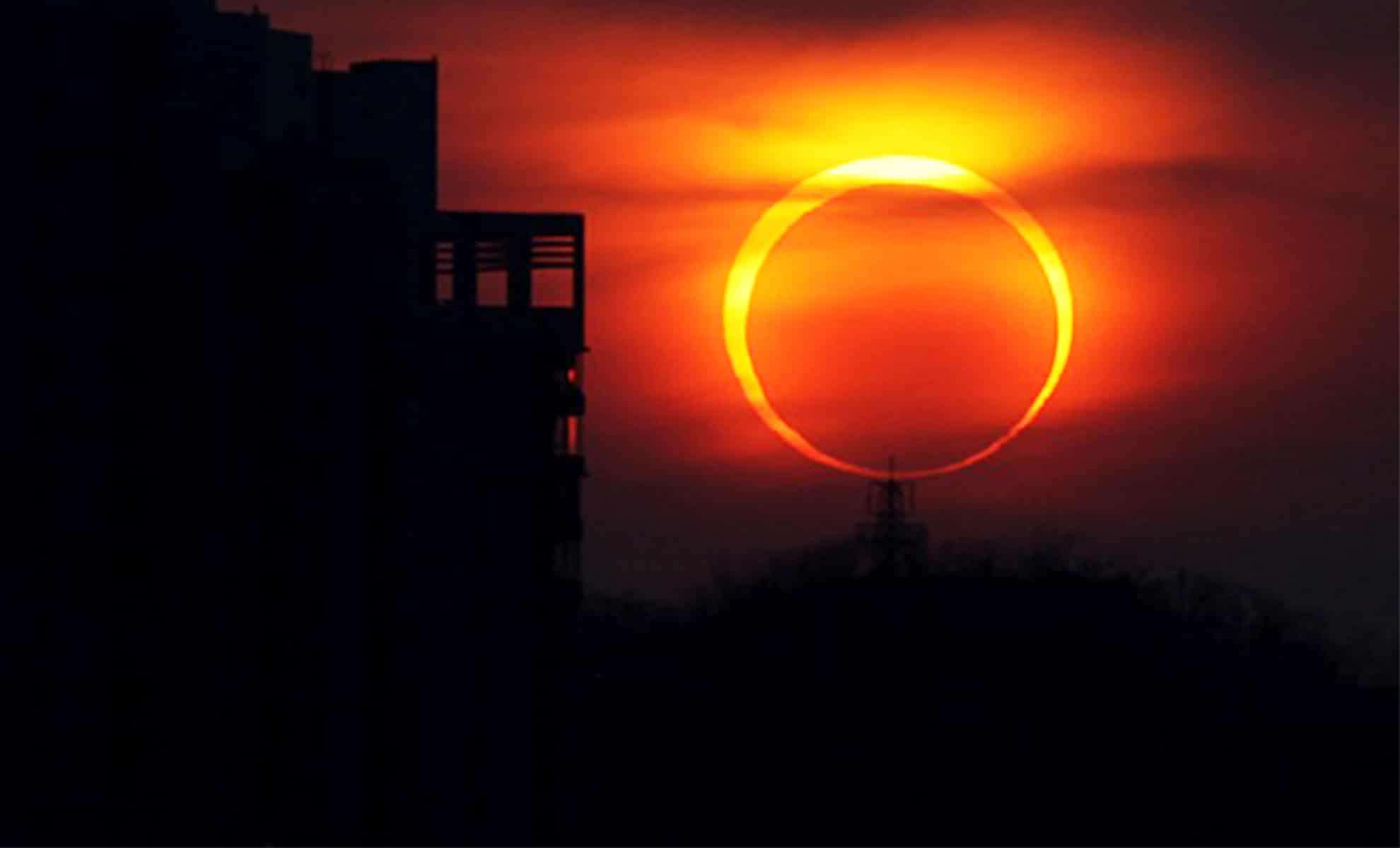
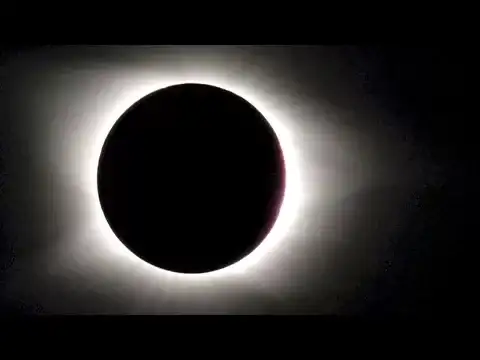
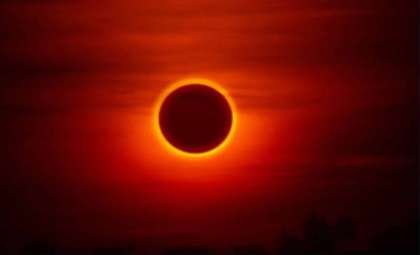
Solar eclipses come in several varieties. A total eclipse occurs when the Moon completely hides the Sun's disk, unveiling the Sun’s corona. An annular eclipse takes place when the Moon is at a distance that leaves a luminous ring of sunlight around its silhouette.

The upcoming partial eclipse will cover only a section of the Sun, producing a less dramatic but still captivating display. Another rare type, the hybrid eclipse, shifts between total and annular depending on one's viewpoint on Earth.
While total eclipses draw the most attention, partial eclipses occur more often and are more accessible, offering excellent opportunities for public engagement and scientific study. Even though the March 2025 event won’t be total, it promises an impressive show.
Looking Ahead: Solar Eclipses in 2025
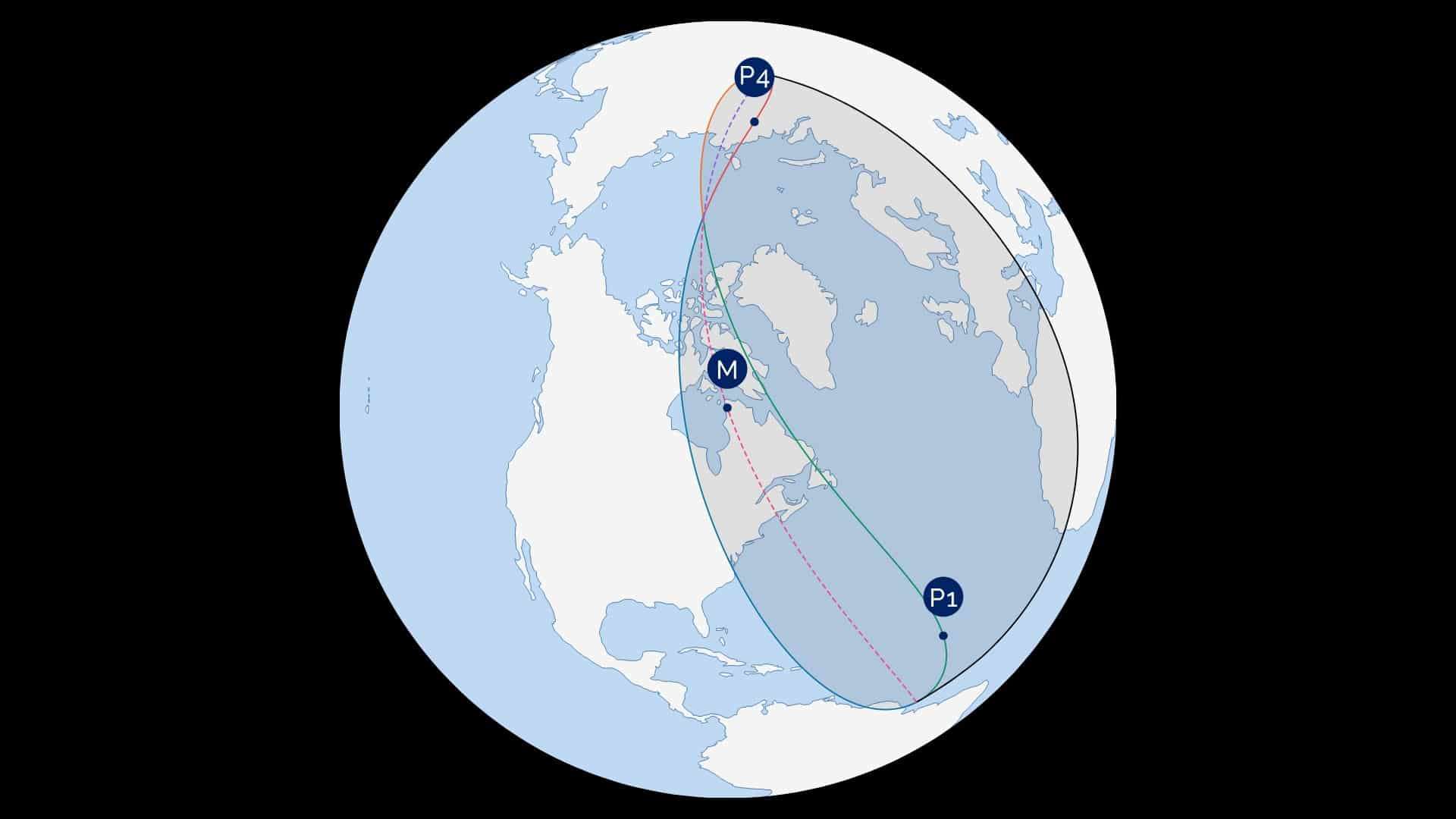
Two solar eclipses are on the calendar for 2025. The first is slated for March 29, presenting a partial eclipse visible across Europe, North Africa, and stretches of the North Pole. Later in the year, on September 21, a second partial eclipse will be observable from other locations worldwide.
Though neither event will be total, both hold value for astronomers and eclipse watchers, providing rare occasions to study the Sun-Moon-Earth relationships and inspire awe among observers.
Timing and Viewing Details for the March 29, 2025 Eclipse
The eclipse on March 29, 2025 will progress over nearly four hours. It will commence at 7:50 AM (Paris local time), reach its peak obscuration at 11:47 AM, and conclude by 1:43 PM. Visibility will differ according to geographic position.
Optimal observation spots for this partial eclipse include most of Europe, North Africa, and parts of the North Pole. Viewers situated closer to the central path will see a greater fraction of the Sun covered by the Moon.
Weather plays a critical role — clear skies are essential for an optimal eclipse viewing experience. Selecting high-altitude or traditionally clear-weather zones maximizes chances to catch the event unobstructed.
Safe Watching Tips for the Solar Eclipse
Directly gazing at the Sun without proper shields can cause lasting eye injuries. To observe the eclipse safely, it’s essential to wear ISO 12312-2 certified eclipse glasses designed to block harmful rays during the event.
Ordinary sunglasses, no matter how dark, are inadequate against ultraviolet and infrared radiation.
Viewing devices like telescopes and binoculars require specialized solar filters to protect both the observer’s eyes and the instruments. Alternatively, indirect viewing methods such as pinhole projectors can safely display the eclipse without eye risk.
Taking these precautions seriously will ensure that eclipse watchers can enjoy the celestial display without compromising their vision.
- Categories:
- Astronomy




0 comments
Sign in to Comment