
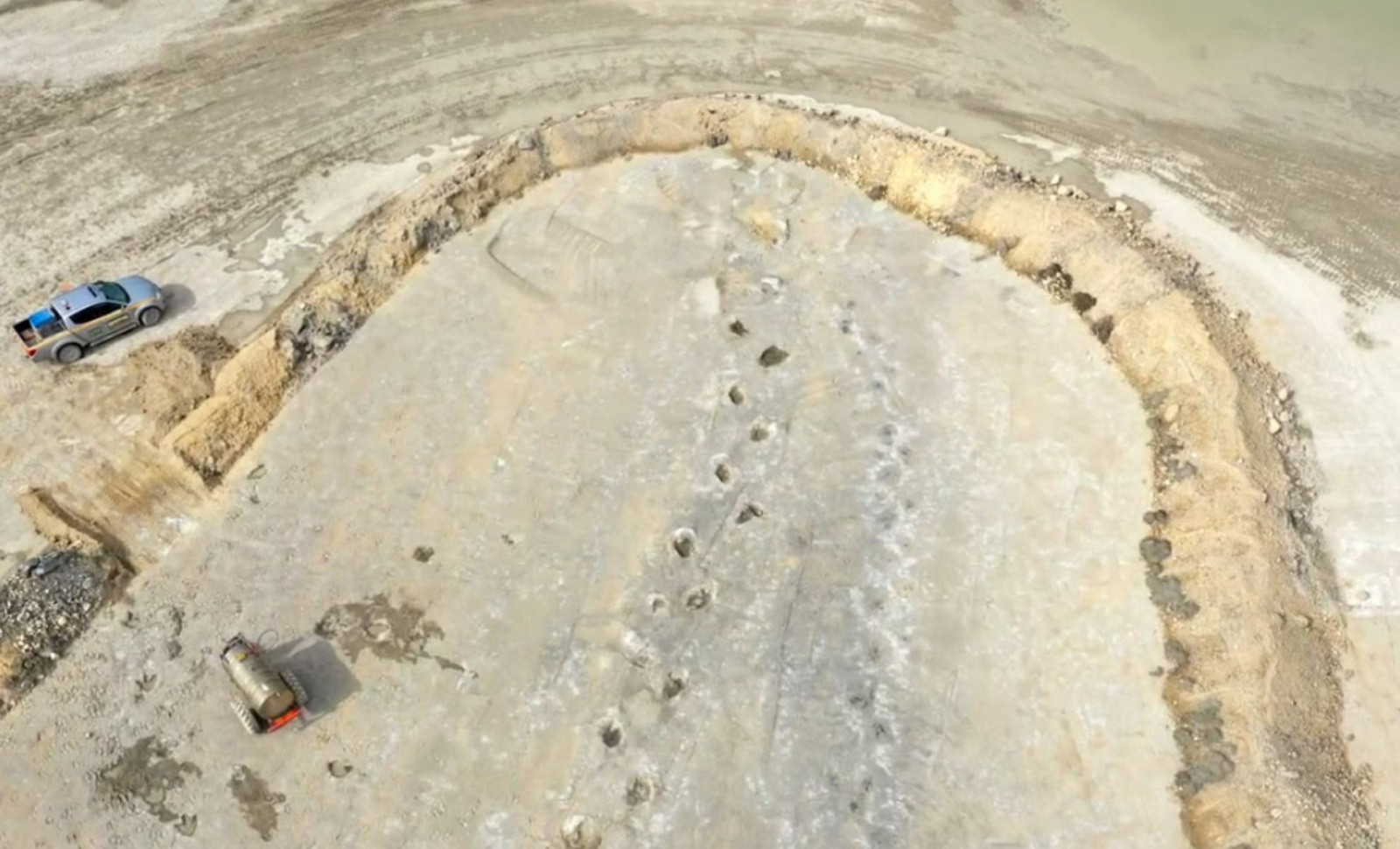
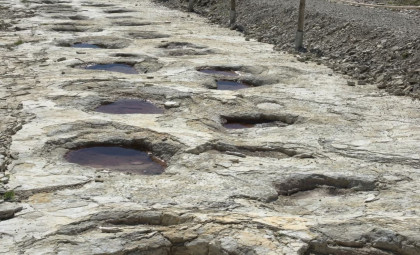
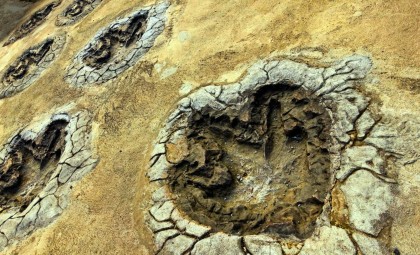
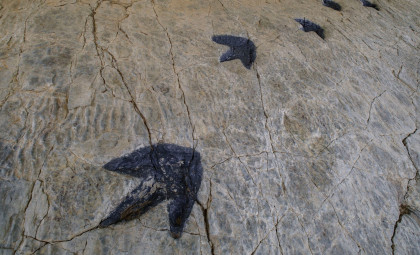
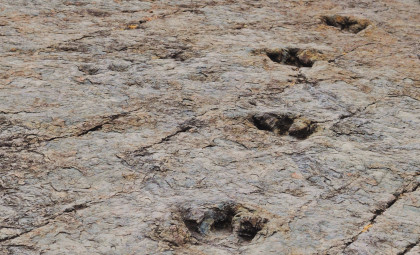
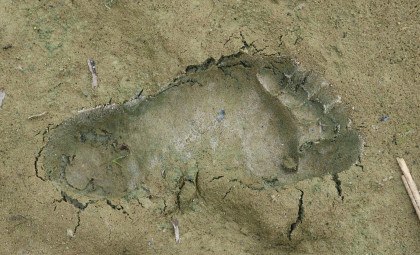
Scientists have uncovered an extensive collection of dinosaur footprints within an active quarry in Oxfordshire. These fossilized tracks, attributed to enormous sauropods and the predatory Megalosaurus, represent one of the UK’s most noteworthy Jurassic fossil finds.
The team from the University of Oxford and the University of Birmingham discovered the footprints at Dewars Farm Quarry during a recent dig, revealing five significant trackways preserved beneath clay layers.
Not only were hundreds of footprints revealed, but their excellent preservation makes the site particularly exceptional. Approximately 200 prints were uncovered during a week-long excavation in June 2024. Cutting-edge imaging methods captured over 20,000 photos to document the fossils with unparalleled precision.

Five Extensive Trails of Giant Dinosaurs
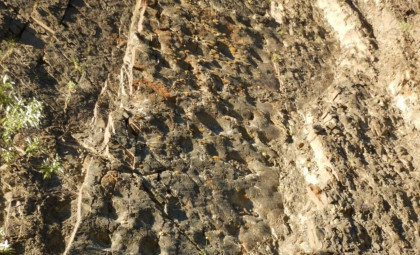
The excavation exposed five principal trackways, with further footprints seemingly extending beyond the immediate area. The longest continuous track spans more than 150 meters, affording a unique window into the locomotion of these huge prehistoric creatures across a singular ancient landscape.
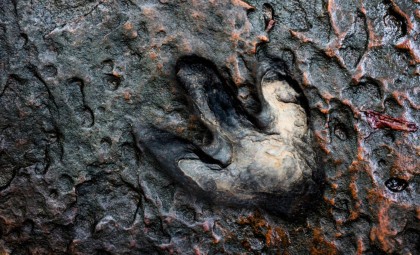
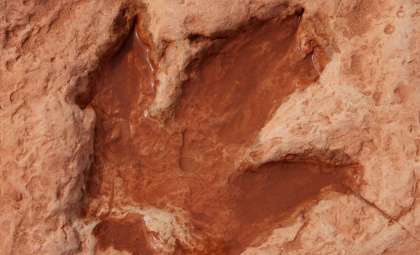
Four of the trackways were made by massive sauropods, long-necked plant-eaters thought to be Cetiosaurus. These dinosaurs could grow up to 18 meters long and are related to the well-known Diplodocus. The fifth set of footprints belongs to Megalosaurus, a carnivorous theropod roughly 9 meters in length, recognizable by its large three-toed prints with sharp claw marks.
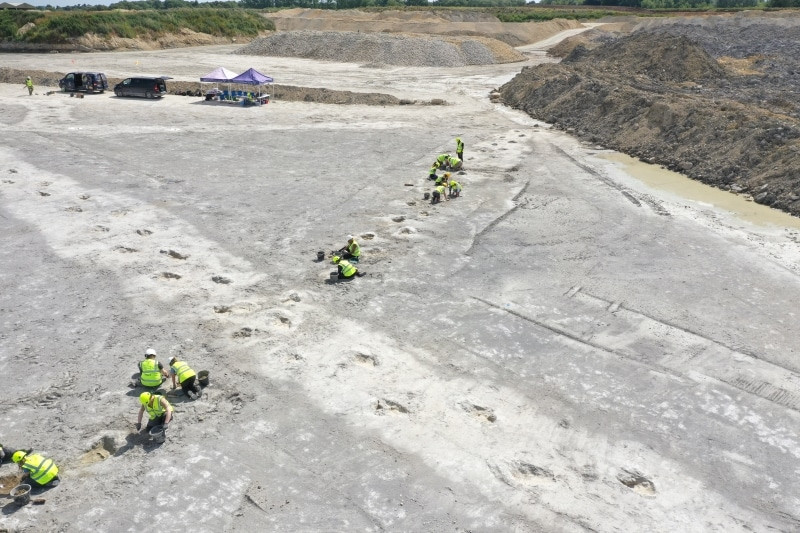
The Oxford University Museum of Natural History highlights a section within the quarry where the predator’s marks intersect those of the sauropods. This overlap prompts intriguing questions about whether the species frequented the area simultaneously and how they might have interacted with the environment, though conclusive evidence remains elusive.
“This site in Oxfordshire is the largest dinosaur track site in the UK, and arguably now the largest mapped dinosaur track site in the world when we consider finds dating back to the 1990s on the same surface nearby,” said University of Birmingham Professor Kirsty Edgar.
Comprehensive Digital Preservation of Every Footprint
The researchers employed drone photography alongside high-resolution imaging to build a detailed 3D map of the footprint site, amassing over 20,000 images to create a virtual archive.
Richard Butler, Professor of Palaeobiology at the University of Birmingham, emphasized the site’s critical role in British geological heritage and the wealth of knowledge still to be gleaned. He remarked:
“Our 3D models will allow researchers to continue to study and make accessible this fascinating piece of our past for generations to come.”
This digital record will facilitate studies on dinosaur gait, speed estimates, body dimensions, and the possibilities of interaction between different trackmakers. Remarkable preservation extends into the sediment surrounding the footprints as well.
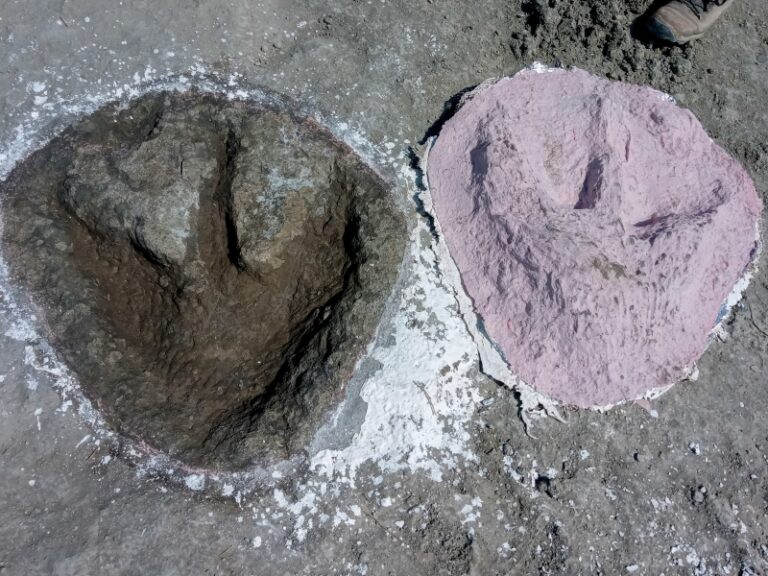
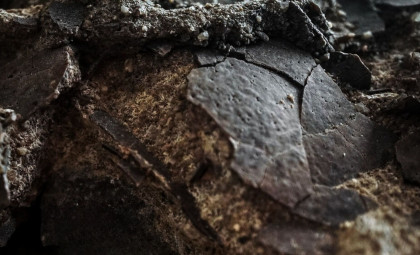
Dr Duncan Murdock, Earth Scientist at Oxford’s Natural History Museum, explained how the fossilized mud captures footprints formed as dinosaur feet pressed into and lifted from the soft ground. Additional discoveries of burrows, shells, and plant fossils offer a glimpse into the lagoon environment these dinosaurs traversed.
A Remarkable Find Alters the Quarry Landscape
The dig was initiated after quarry worker Gary Johnson noticed unusual textures while removing clay to expose the underlying rock. Collaborations between the University of Oxford, the University of Birmingham, Dewars Farm, and Duns Tew Quarry manager Mark Stanway enabled the successful excavation.
Over 100 participants contributed to uncovering roughly 200 prints using specialized tools including excavators and rock saws during the week-long endeavor.
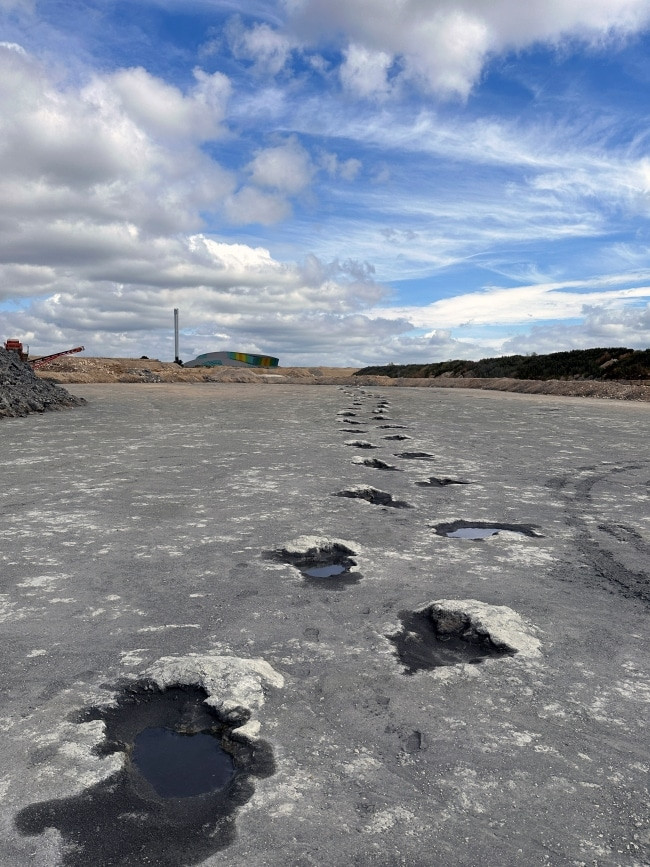
Dr Emma Nicholls, Vertebrate Paleontologist at Oxford’s Natural History Museum, reflected that despite Megalosaurus being one of the longest-studied dinosaurs, new finds like this continue to broaden our understanding of prehistoric life.
- Categories:
- Science


0 comments
Sign in to Comment