
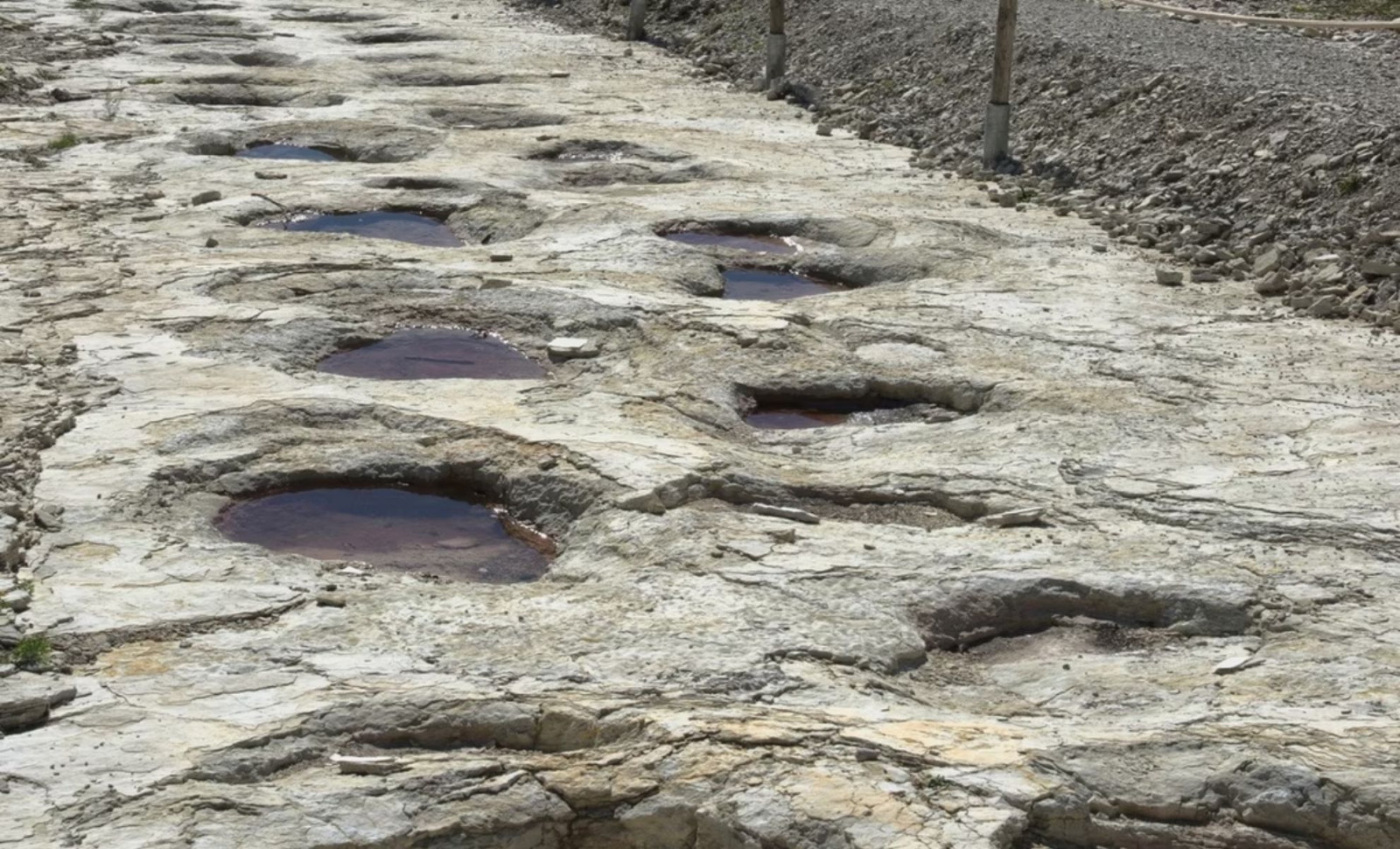
Located in the Ain region, the Dinoplagne area hosts the world’s longest trackway of sauropod dinosaur footprints, stretching an impressive 155 meters. These footprints, dating back nearly 150 million years to the Jurassic era, offer a unique glimpse into prehistoric life.
Unlike traditional paleontological exhibits featuring reconstructed skeletons or dioramas, Dinoplagne stands out deep in the Jura mountains by providing an authentic experience with dinosaur tracks etched in stone. This tangible connection to the past draws a vivid picture of dinosaurs roaming the landscape eons ago.
What distinguishes this location is the way it shifts perspectives on dinosaurs — from images in textbooks or films to something real and present. The sheer size, depth, and precise alignment of these footprints underscore the massive creatures that once traversed this terrain.

A Jurassic Geological Marvel
The Jura Mountains, as mentioned in ScienceDaily, are renowned for their exceptional dinosaur tracks, holding geological importance well beyond the immediate area. The Jurassic period gets its name from this mountainous region, famous for its carbonate formations. The Plagne site is exceptional within this context due to the extraordinary length and clarity of its preserved footprints.
“They have been precisely dated to the early Tithonian (Late Jurassic), when the trackway site was located at the southeastern margin of the carbonate-dominated Jura platform, in a protected littoral mudflat environment,” said the authors.
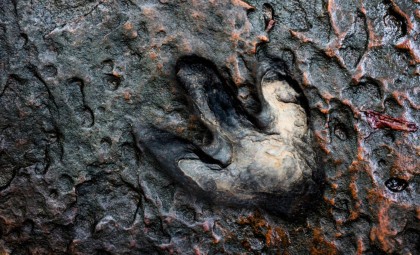
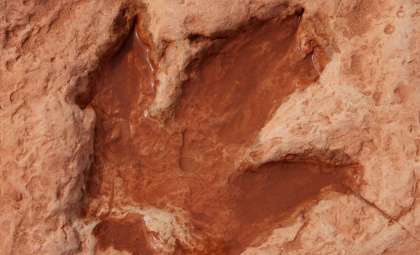
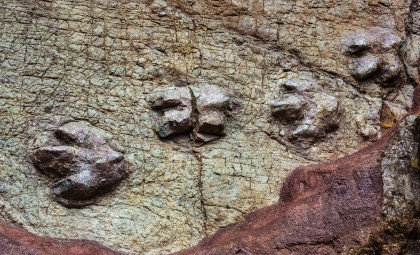
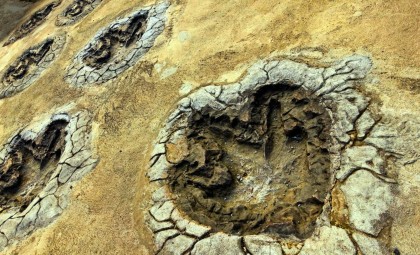
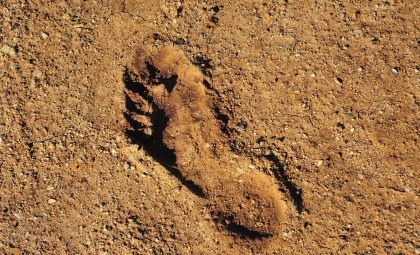
Explorers visiting the site witness an exceptionally preserved trackway. Each fossilized footprint narrates the presence of an enormous creature that once crossed a landscape now immortalized in stone. The footprints’ edges are razor-sharp, and the fine details are so striking that it almost feels as if the dinosaur recently passed through.
A Globally Unmatched Record
In 2009, a groundbreaking discovery further elevated the site’s significance. According to a Geobios publication, this location revealed the longest sauropod footprint trail ever documented.
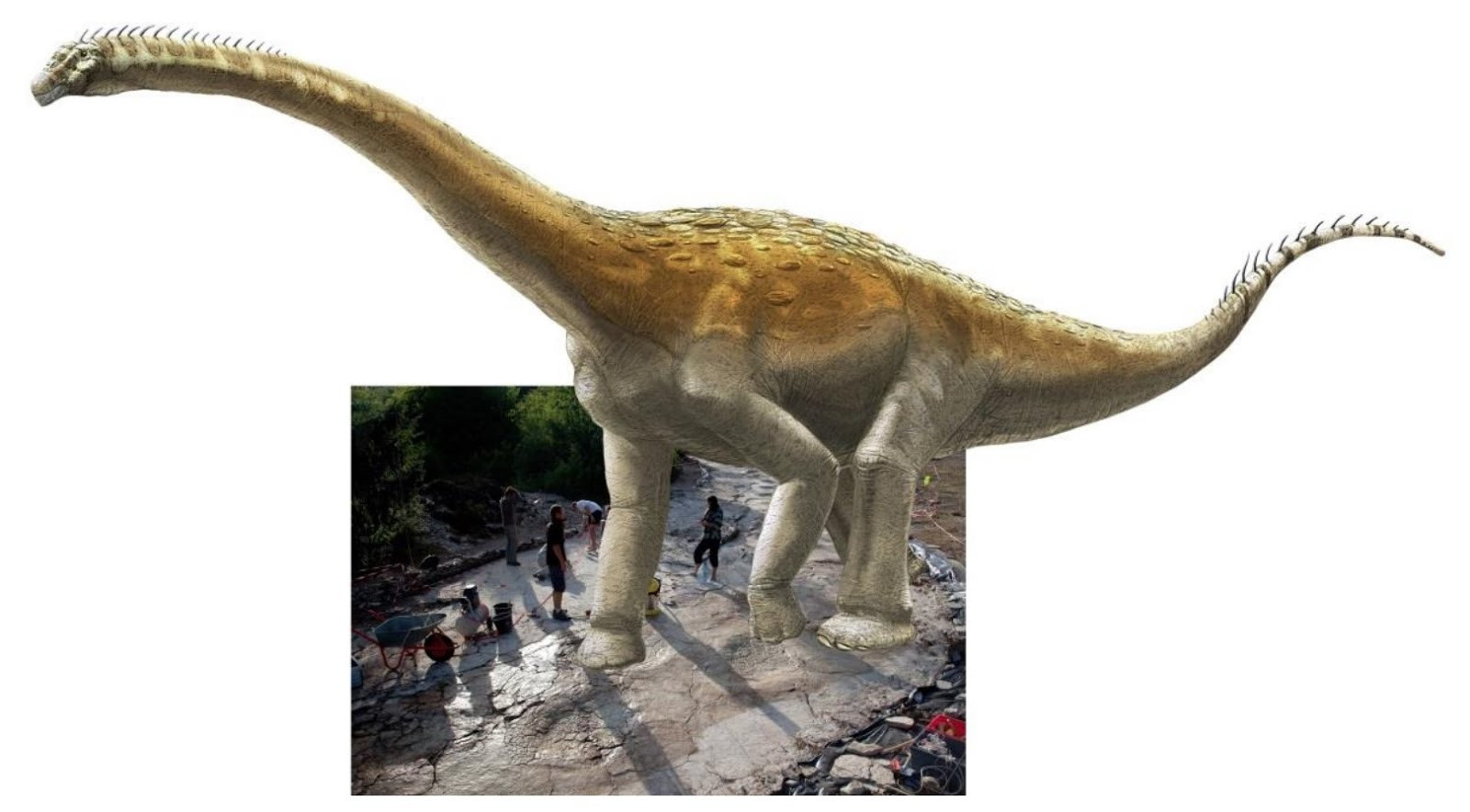
According to a press statement from CNRS University, biometric analysis determined the track maker measured at least 35 meters long, weighed between 35 and 40 tons, took strides around 2.80 meters, and moved at an estimated pace of 4 km/h.
“This new trackway site, alongside other Early Jurassic Swiss and French tracksites yielding thousands of sauropod and theropod tracks, can be considered as being the largest dinosaur megatracksite in Europe,” the researchers noted.
The footprint trail extends beyond 155 meters, setting new benchmarks with its remarkable preservation. It is linked to a titanosaur, a long-necked herbivore that could grow up to 30 meters in length, reach heights of 8 meters, and weigh almost 40 tons.
Extraordinary Details Captured in Footprints
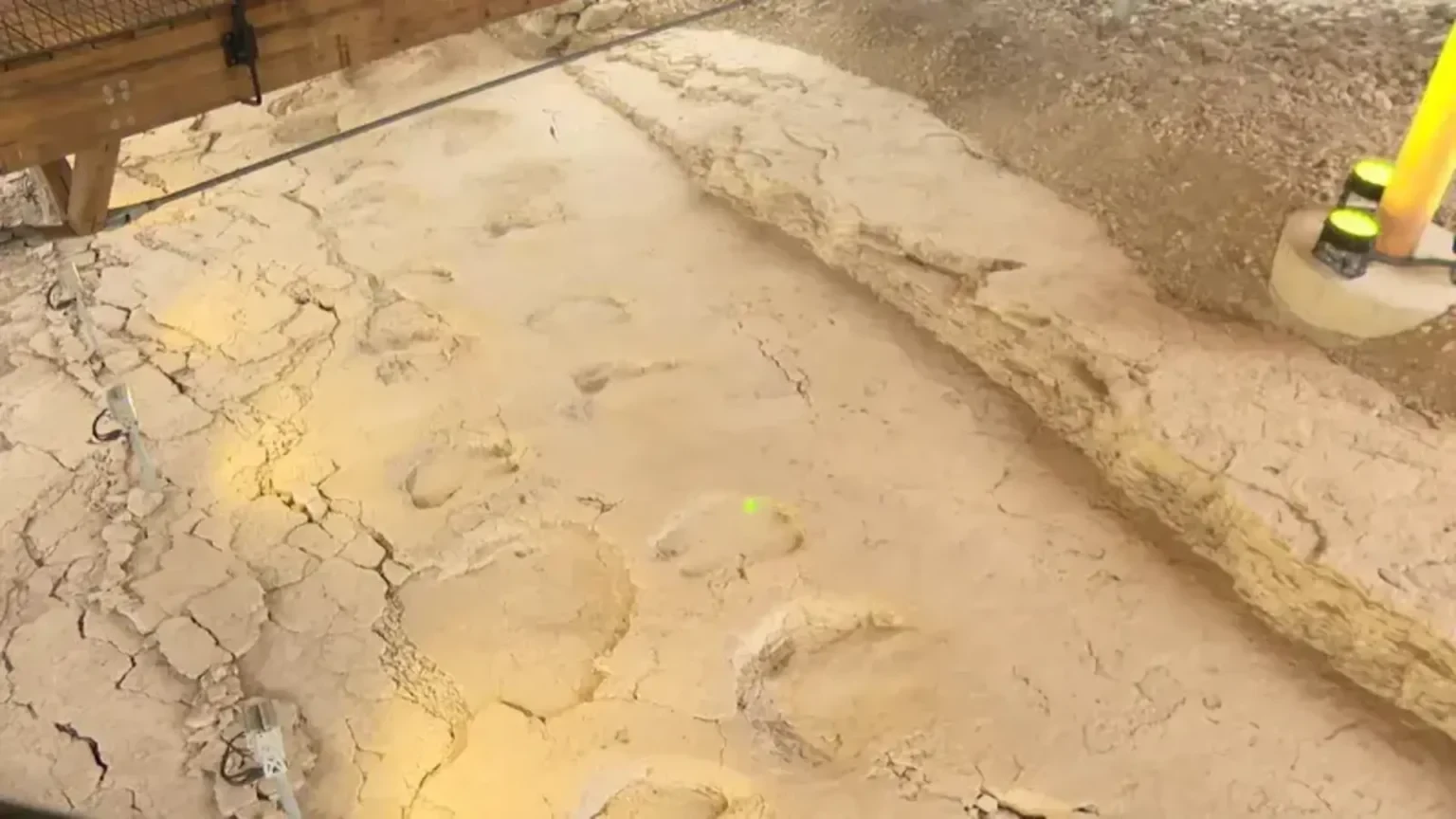
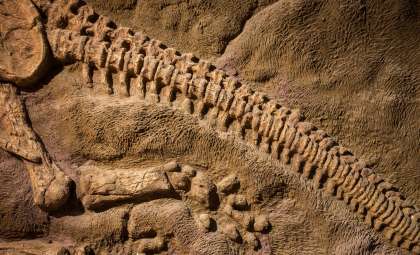
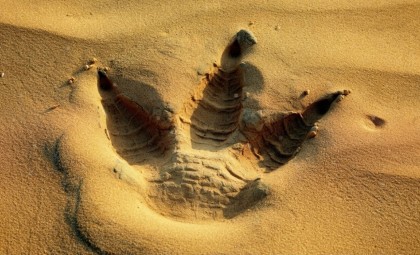
The footprints reveal astonishing details, including impressions of the dinosaur’s forefeet, giving scientists clues about limb anatomy and toe placement. Such features shed light on how these giants moved, distributed their weight, and interacted with their surroundings.
” The footprints are preserved to various degrees along the trackways, depending on the initial condition of the sediment of various competences. The best-preserved section of the sauropod trackway allows this specimen to be attributed to Brontopodus plagnensis,” they added.
Ongoing scientific exploration continues at the site, aiming to learn even more about the ancient beasts that once roamed there. Meanwhile, the site remains accessible to the public, allowing visitors to connect firsthand with this extraordinary prehistoric record.
- Categories:
- Science



0 comments
Sign in to Comment