
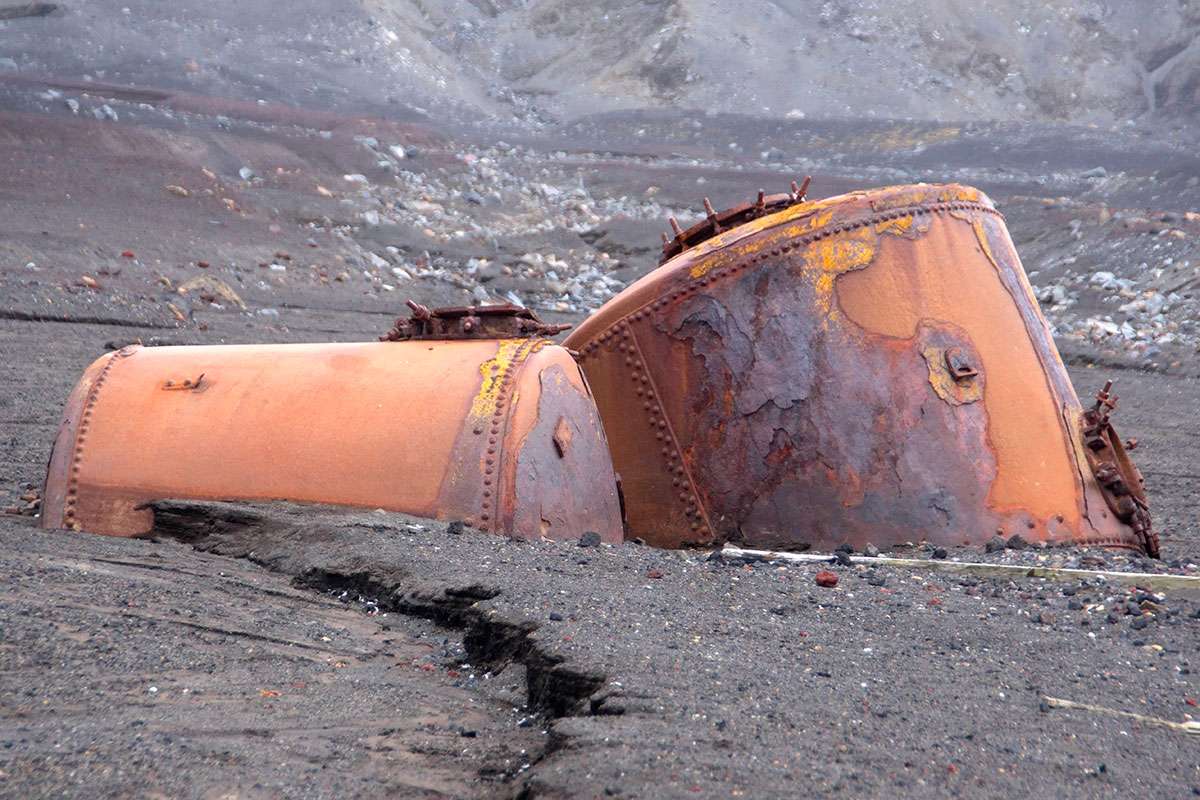
A significant oil reserve uncovered beneath the Antarctic ice by Russian geologists has ignited worldwide discussions about energy futures and international diplomacy. The unprecedented find, reported to hold approximately 511 billion barrels of oil, raises critical questions regarding environmental protection and the enforcement of treaties governing the continent.
The Antarctic Treaty: Preserving a Global Scientific Haven
Formally established in 1959, the Antarctic Treaty designates Antarctica as a shared space dedicated to peaceful scientific inquiry, explicitly prohibiting resource exploitation. Over decades, numerous research outposts have been established, focusing on critical studies involving climate patterns and geological phenomena, including investigations into volcanic activity beneath the ice sheet.
However, recent revelations about vast petroleum deposits beneath the ice complicate this framework, signaling the potential to transform Antarctica into a contested resource zone.

Implications for Global Energy and Political Dynamics
Such a colossal reserve holds the potential to disrupt current energy markets and international relations. Utilizing these resources could hinder the global shift toward renewable energy alternatives. Widespread concern emerged in 2023 when the Russian vessel Akademik Alexander Karpinski was observed operating between Cape Town and the Antarctic region, fueling speculation over exploration activities.
The Russian firm RosGeo claims to have identified these reserves in an area sometimes referred to as the “British sector” of Antarctica—an amount roughly tenfold greater than North Sea extraction over the past fifty years, and almost two times Saudi Arabia’s known reserves.
Origins and Possible Intentions Behind Russia’s Exploration
The developments began amidst the global turmoil of 2020. More recently, UK parliamentarians have voiced concerns regarding Russia’s ambitions, especially given its behavior following the February 2022 invasion of Ukraine.
Antarctic geopolitics specialist Klaus Dodds has warned: “There is apprehension that Russia’s seismic data gathering may represent resource prospecting rather than legitimate scientific research.” Such activities risk undermining existing international limits on seismic operations and may pave the way for resource extraction in Antarctica.
Sanctions, Russian Strategies, and China’s Antarctic Moves
Facing economic sanctions after its actions in Ukraine, Russia has rerouted oil exports toward India and China at discounted rates, employing what analysts describe as a substantial, high-risk "ghost fleet" for shipments.
At the same time, China has expanded its Antarctic presence by establishing its fifth research base, reflecting its strong interest as a major hydrocarbon consumer. Talks between Russian President Vladimir Putin and Chinese President Xi Jinping appear imminent, as reported by Le Figaro, especially following reports of Putin's planned visit to Beijing.
This unfolding scenario underscores the complex tension between international environmental safeguards and national pursuits of energy resources. As global powers navigate these competing pressures—collaboratively or otherwise—the future of Antarctica remains a pivotal issue for both environmental conservation and geopolitical balance.
- Categories:
- Climate change









0 comments
Sign in to Comment