
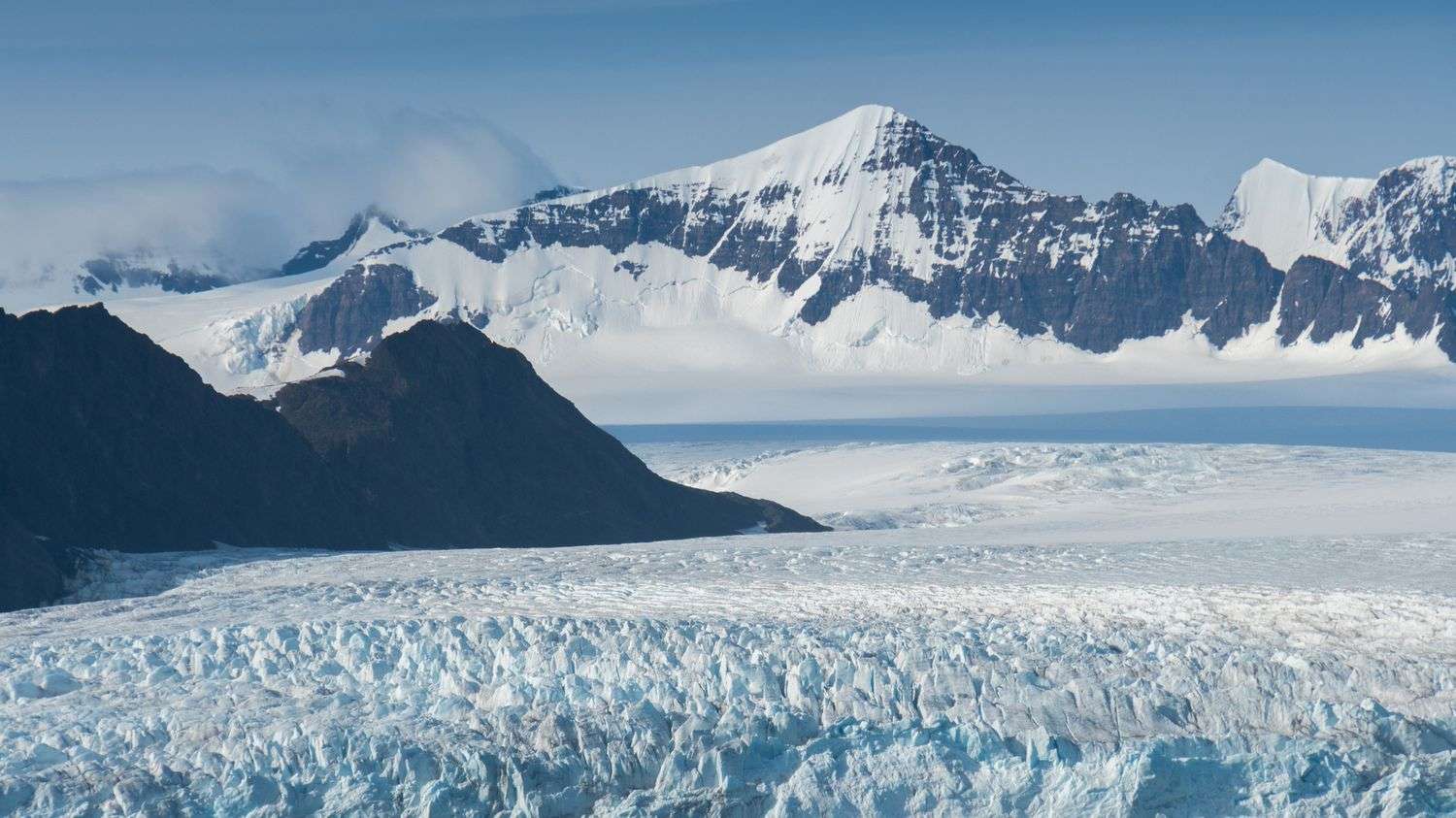
In an extraordinary scientific milestone, European researchers have successfully retrieved ice exceeding 1.2 million years in age from Antarctica’s ice sheet. This achievement surpasses the prior record of ice that was 800,000 years old, opening a new window into Earth’s deep past climate. Beyond its scientific significance, this ancient ice holds invaluable information that could illuminate historical atmospheric conditions and enhance our understanding of current climate challenges.
The formidable mission to access ancient ice
Obtaining this exceptionally old ice required an intense and challenging effort. The team embarked on a demanding expedition, drilling extensively into the Antarctic ice sheet to extract these fragile cores. The operation spanned over 200 days, reaching a depth near 9,186 feet, primarily near the Concordia research station, across four consecutive Antarctic summers.
Situated at an impressive elevation of more than 10,499 feet, Concordia presented additional difficulties. Even during the relatively milder Antarctic summer seasons, temperatures seldom rose above -22 degrees Fahrenheit, imposing harsh working conditions. Frédéric Parrenin, a leading glaciologist involved in the project, remarked on the extreme environment: “It’s still pretty extreme when you think about where we are—almost at the top of the Antarctic ice cap.”

Insights locked within the ancient ice
The core value of these ancient ice samples lies in their ability to reveal Earth’s past atmosphere. Encapsulated air bubbles act as direct records from prehistoric atmospheres, allowing researchers to analyze gas concentrations such as carbon dioxide (CO2) and trace how they varied over time.
Parrenin elaborated on the importance of this data: “Sure, there are other paleoclimate records like marine sediments, but what makes ice cores special is those tiny air bubbles—they’re little snapshots of past atmospheres. Just analyzing these bubbles lets us reconstruct things like CO2 levels.” By examining these air pockets, scientists aim to unravel how greenhouse gases influenced ancient climate shifts across millennia.
The future impact and scientific relevance
Following extraction, these priceless ice cores will be transported to European laboratories for comprehensive examination. The findings are expected to enrich our comprehension of modern climate systems by situating them within a deeper temporal framework of atmospheric transformation.
By deciphering long-term trends in CO2 and other key gases over more than a million years, researchers hope to better predict future climate dynamics and their potential effects on ecosystems worldwide. The data emerging from this project may also inform policy and strategies for climate mitigation.
This remarkable endeavor underscores the commitment of scientists to decode Earth’s climatic history. As global environmental challenges intensify, such discoveries emphasize the importance of learning from the past to safeguard our planetary future.
This achievement not only expands scientific frontiers but also encourages collective reflection on preserving Earth's fragile equilibrium for generations to come.
- Categories:
- Climate change







0 comments
Sign in to Comment