
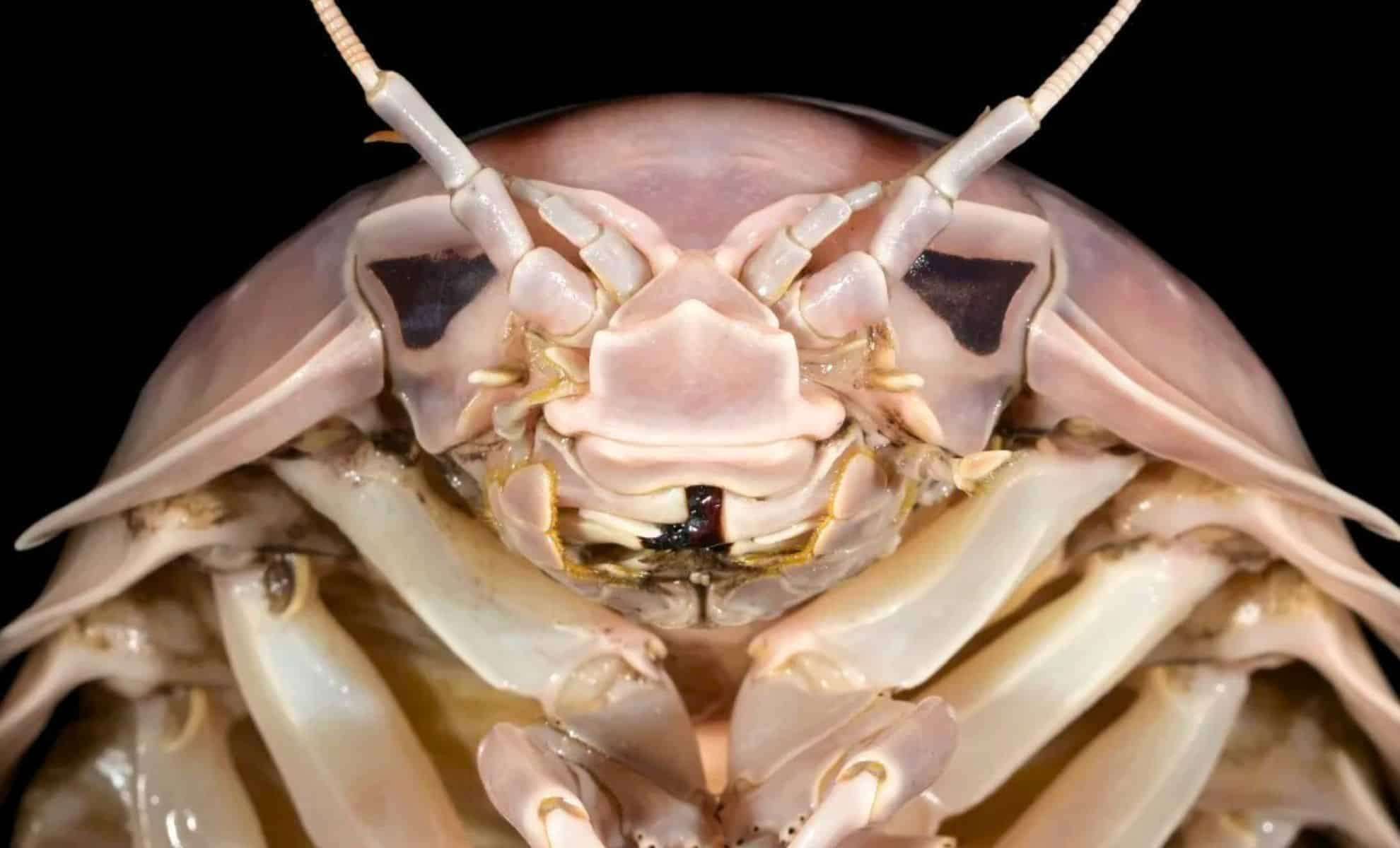
In an unexpected turn in scientific research, scientists have uncovered a previously unknown species of large crustacean—not from deep underwater explorations, but right within a lively market in Vietnam. Nicknamed the "Darth Vader" sea bug for its resemblance to the famous Star Wars villain, this remarkable creature is capturing the interest of both researchers and enthusiasts.
The discovery was made by a collaborative team of Japanese and Vietnamese experts who found the extraordinary specimen during a survey of sea creatures sold at coastal markets. Reaching lengths up to 10 inches, this gigantic isopod is classified in the Cirolanidae family and officially named Cirolana darthvaderi.
Its unusual form and large scale have piqued questions regarding its evolutionary traits and ecological niche. Beyond its striking appearance, this finding highlights how much remains undiscovered about the ocean's concealed fauna.

Unexpected Discovery Within the Marketplace
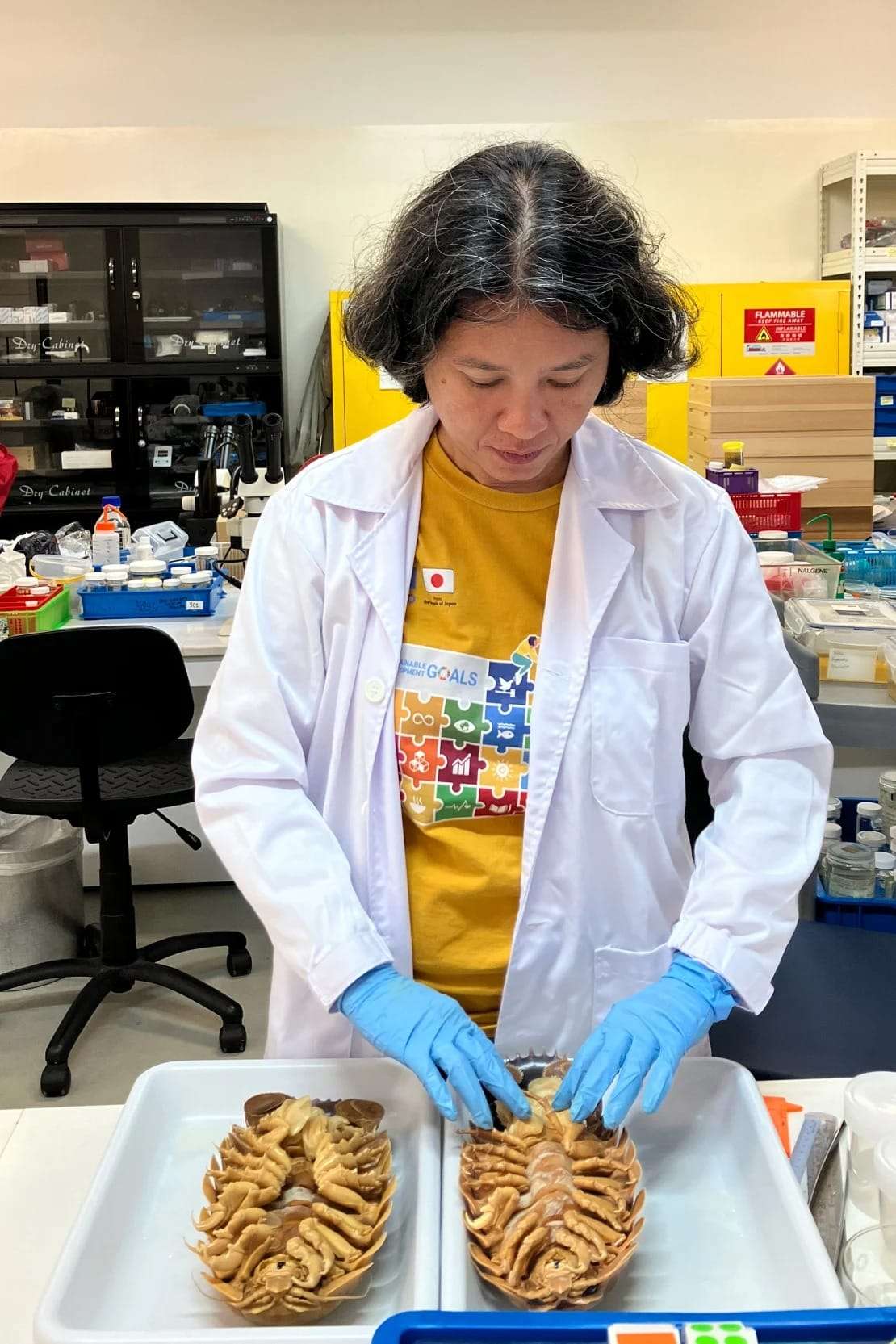
The identification of Cirolana darthvaderi demonstrates the unpredictable nature of scientific discovery. While examining marine species available at Vietnamese markets, researchers noticed the notably oversized isopod. “We immediately recognized this was something extraordinary,” stated Dr. Katsunori Fujikura, a marine biologist part of the research team. “Its distinct features and size distinguished it from any species previously documented.”
The researchers collected multiple samples for in-depth examination, confirming through comprehensive genetic and anatomical analyses that it represented a new species. Its dark, armored shell and prominent cephalic shield led to the “Darth Vader” moniker and are adaptations suited to its deep ocean environment. While its precise habitat remains uncertain, scientists suspect it dwells in Vietnam’s nearby marine areas and was brought to market by fishermen.
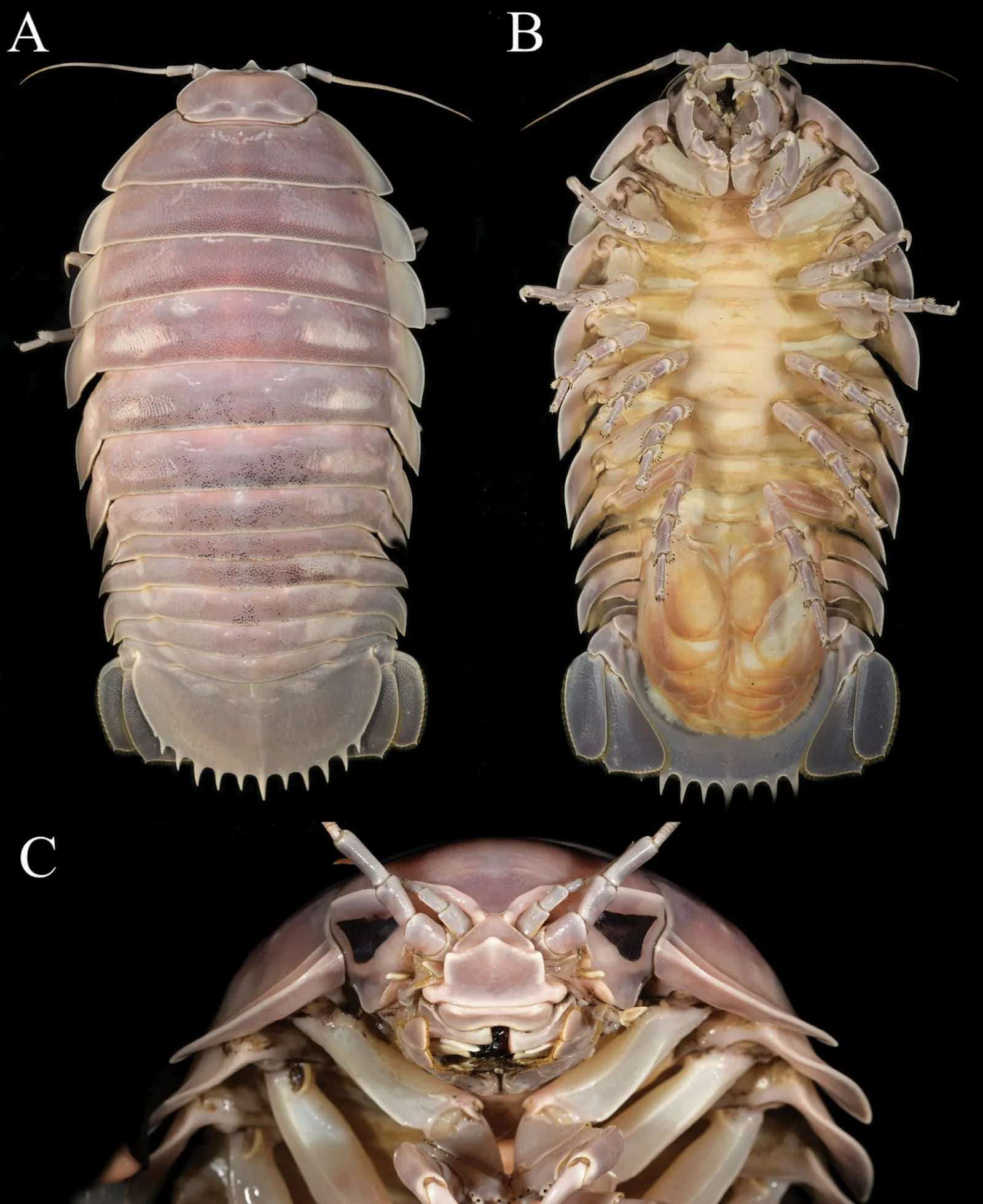
Understanding the “Darth Vader” Giant Isopod
Large isopods like Cirolana darthvaderi are exceptional examples of adaptations to deep-sea life. They survive in harsh conditions characterized by limited nutrients and high pressure. Their substantial size is believed to be an evolutionary strategy to store energy during prolonged periods without food. “These animals epitomize endurance,” said Dr. Fujikura. “Their capacity to thrive in extreme environments makes them invaluable for studies on marine resilience.”
This discovery also highlights the rich yet underexplored biodiversity of the South China Sea. “Each newly identified species helps piece together the complex dynamics of marine ecosystems,” remarked Dr. Hoàng Thị Thùy Dương, a Vietnamese scientist on the project. “It’s a strong reminder of the many oceanic secrets still to be revealed.”
Conservation Significance
Identifying Cirolana darthvaderi goes beyond scientific interest—it carries weight for ongoing marine conservation efforts. The South China Sea, renowned for its biodiversity, faces threats from overfishing, environmental contamination, and climate change. Finding a new species in a market draws attention to the urgent need for enhanced oversight and habitat protection.
“Discovering a novel species in a commercial setting is both inspiring and worrying,” Dr. Fujikura commented. “This shows that even sizable, remarkable organisms can remain hidden until they inadvertently enter the trade. Protecting these delicate ecosystems is essential before unknown species vanish.”
Global initiatives advocating for international collaboration to establish marine protected zones and promote sustainable fishing strategies are gaining traction. The presence of Cirolana darthvaderi brings fresh urgency to these conservation campaigns.
Encouraging Exploration and Stewardship
The revelation of the “Darth Vader” sea bug is a fascinating contribution to marine science, demonstrating the astonishing life forms still concealed beneath the ocean surface. It also highlights the critical need for continued exploration and protection of marine habitats, especially in lesser-studied places like the South China Sea. With discoveries like this, the call to safeguard our oceans and their remarkable inhabitants has never been clearer—our next extraordinary find might be found in unexpected places, including local marketplaces.
- Categories:
- Science







0 comments
Sign in to Comment