
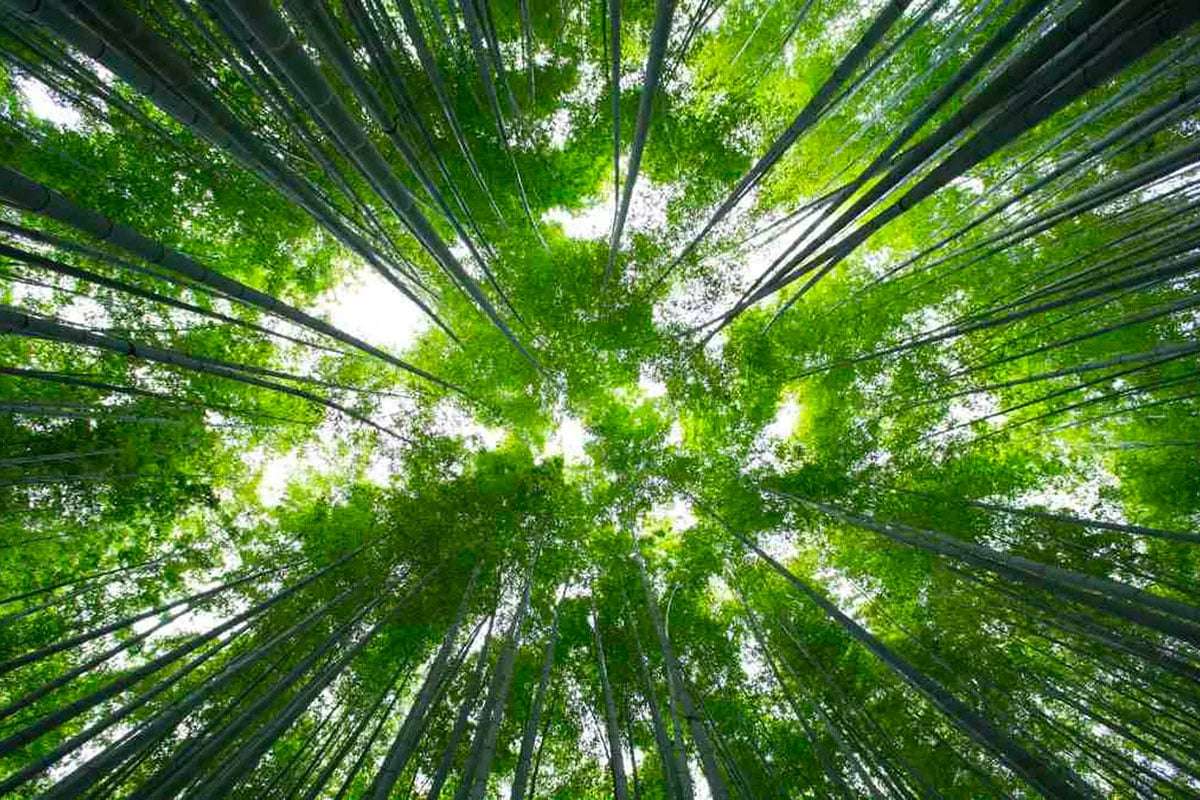
Unlike typical plants that flower annually, the bamboo species Phyllostachys nigra var. henonis follows an astonishingly rare pattern, taking about 120 years to complete its flowering cycle. This prolonged interval between blooms has fascinated researchers, who have sought to understand how this extraordinary plant survives through such lengthy periods.
This event, referred to as mass flowering or gregarious flowering, happens when sprawling patches of bamboo simultaneously produce flowers. While an incredible natural spectacle, it also triggers substantial ecological ramifications. After flowering, the entire bamboo stand dies, leaving behind empty landscapes that eventually allow new growth to emerge.
Although the majority of henonis populations flower together, some groups show slight timing differences. Historical records note a significant bloom in 1908, but smaller-scale flowering events were noted from 1903 to 1912. Most recently, a minor flowering occurred in 2020, offering scientists a rare occasion to further examine this puzzling process.

Ecological Impact and Research Highlights
The 2020 flowering incident inspired a team at Hiroshima University to delve into the reproductive behavior of this bamboo. Their study, published in PLOS ONE, has raised important questions regarding the species’ sustainability and its environmental effects.
Key findings revealed:
- Approximately 80% of the surveyed bamboo population began reproduction
- No viable seeds were produced by any plants
- There was no evidence of new bamboo growth in the three years following flowering
These unexpected outcomes suggest that sexual reproduction might play a limited role in the survival of Phyllostachys nigra var. henonis. Scientists remain intrigued by how this species manages long-term viability despite this reproductive peculiarity.
The ecological consequences are profound. Japan’s bamboo forests cover roughly 170,000 hectares, with henonis constituting a significant fraction. Following mass flowering, widespread bamboo deaths convert lush forests into open grasslands for several years, disrupting existing ecosystems.
Ecological AspectConsequences of Bamboo FloweringSoil HealthIncreased risk of erosionWildlife ShelterDiminished habitats for multiple speciesFlood ControlReduced natural flood protection
Future Challenges and Conservation Efforts
The life cycle of Phyllostachys nigra var. henonis poses obstacles for scientists and environmental managers alike. With climate change intensifying extreme weather, the bamboo’s role in flood prevention and soil stability becomes critical. The loss of these vital functions during post-flowering die-offs is causing growing concern.
Lead researcher Dr. Toshihiro Yamada from Hiroshima University stresses the urgency of addressing these changes: “It is imperative to plan management strategies for the significant shift post-flowering.” This highlights the need to prepare for ecological challenges triggered by mass bamboo diebacks.
The reproductive mystery of henonis bamboo parallels other baffling natural discoveries, such as the recent identification of a gigantic blue hole in ocean depths, emphasizing how much remains unknown in the natural world.
As investigations continue, the cultural and economic importance of bamboo in Japan and Asia complicates the issue. Disruptions caused by these flowering cycles could ripple across industries and communities dependent on bamboo products.
Moving forward, sustained scientific inquiry and innovative conservation strategies will be essential. By unlocking the secrets of Phyllostachys nigra var. henonis’ lifecycle, researchers can not only address a long-standing botanical puzzle but also aid in protecting environmental balance amid ongoing global changes.
- Categories:
- Science










0 comments
Sign in to Comment