
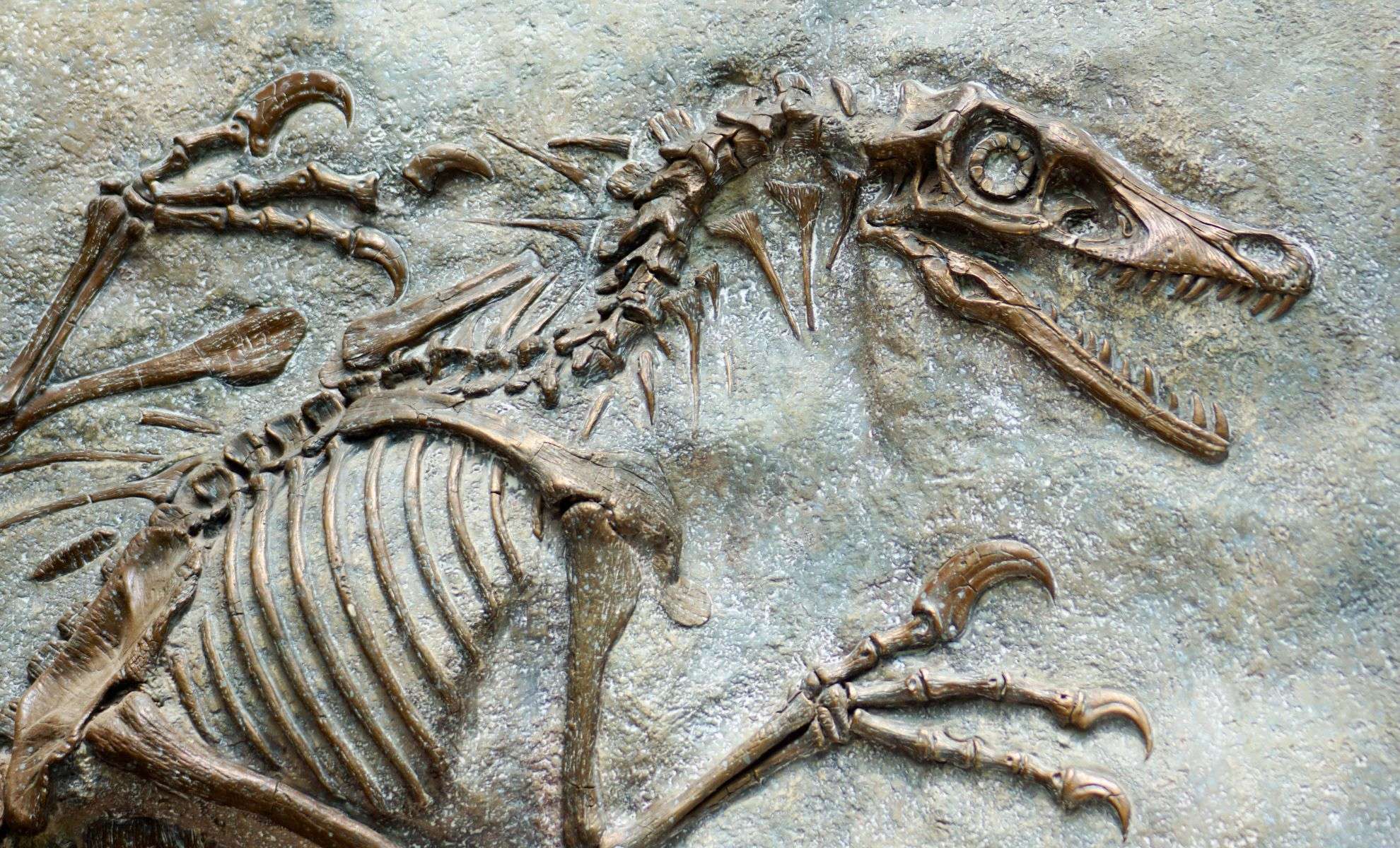
Dinosaurs have left behind bones that remain hidden for millions of years until new finds shed light on their lives. A new species unearthed from the Isle of Wight, Istiorachis, is distinguished by a remarkable sail-like structure extending along its back and tail. This herbivore's distinctive feature has sparked fresh research published in Papers in Palaeontology, which explores the evolutionary role of this extraordinary spine formation.
stands Apart with Its Unique Structure
Dating back approximately 125 million years, Istiorachis captured attention not only for its impressive size but especially for the striking sail shape. Unlike creatures whose sails support movement through air or water, this feature appears to have been developed as a visual signal rather than a functional adaptation.
Specimens of Istiorachis were once misclassified in the Dinosaur Isle Museum collection until retired physician Jeremy Lockwood carefully reviewed the fossils and noticed distinct characteristics. He remarked, “Although the skeleton was incomplete compared to other finds, no prior detailed analysis had been performed on these bones.”

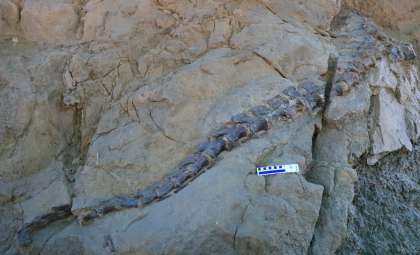
Lockwood identified unusually elongated neural spines far exceeding those typical of iguanodontian dinosaurs. Further investigations confirmed that Istiorachis exhibited a remarkable deviation from its relatives, establishing it as a unique genus.
Decoding the Sail’s Function
Scientists next sought to uncover the sail’s purpose—was it a cooling mechanism, fat storage, or something else? Lockwood suggests a simpler explanation: “Evolution often favors showiness over mere practicality.” Many researchers now believe these exaggerated structures functioned primarily for visual communication, possibly linked to mating rituals.
By comparing to modern reptiles, where sail displays tend to be more pronounced in males, the team inferred that Istiorachis likely used its elaborate sail to attract mates or assert dominance among peers.
A new sail-back styracosternan (Dinosauria, Ornithischia) from the Lower Cretaceous Wealden Group of England
— Dactylioceras🇵🇸 (@Dinoh555) August 22, 2025
Istiorachis macarthurae gen. et sp. nov.
Artwork by James Brownhttps://t.co/FnXB0J2Cz5 pic.twitter.com/zlUqD3ysJN
Modern Tools Confirm Evolutionary Insights
To test their assumptions, researchers built an extensive database of dinosaur spine fossils using photos, drawings, and precise measurements. By assembling a comprehensive iguanodontian family tree, they traced spine size evolution and evaluated the potential behaviors linked to these adaptations.
Lockwood explained, “This approach allows us to move beyond simple fossil description and experimentally evaluate the sail’s possible functions.” Their analyses indicated that the spines of Istiorachis were exceptionally elongated, exceeding typical traits observed in related species—a hallmark feature likely shaped by sexual selection.
The newly identified dinosaur was named Istiorachis macarthurae, where “Istiorachis” translates to “sail spine,” and “macarthurae” honors Dame Ellen MacArthur, the distinguished solo sailor from the Isle of Wight.
Isle of Wight: A Hotbed for Dinosaur Diversity
The Isle of Wight continues to reveal diverse dinosaur species through its fossil-rich strata. Creatures like Brighstoneus, Comptonatus, alongside predators such as Riparovenator and Ceratosuchops, depict a vibrant ecosystem from millions of years ago.
Istiorachis adds important insight into Early Cretaceous evolution, particularly the development of greatly extended neural spines—a characteristic that originated in the Late Jurassic but remained uncommon at such an extreme scale during this era.
Lockwood commented, “This discovery illustrates how ancient evolutionary forces paralleled those shaping display features in animals today.”
Rediscovering Treasures in Museum Collections
Remarkably, this breakthrough emerged not from new field excavations but through meticulous reexamination of fossils stored in museum archives. “Jeremy’s dedication to studying existing specimens has shed new light on the iguanodontian dinosaurs of the Isle of Wight,” stated paleontologist Susannah Maidment.
Over five years, Lockwood has significantly broadened knowledge of smaller iguanodontians inhabiting the Early Cretaceous Wessex Formation, enhancing our understanding of prehistoric biodiversity.
- Categories:
- News








0 comments
Sign in to Comment