
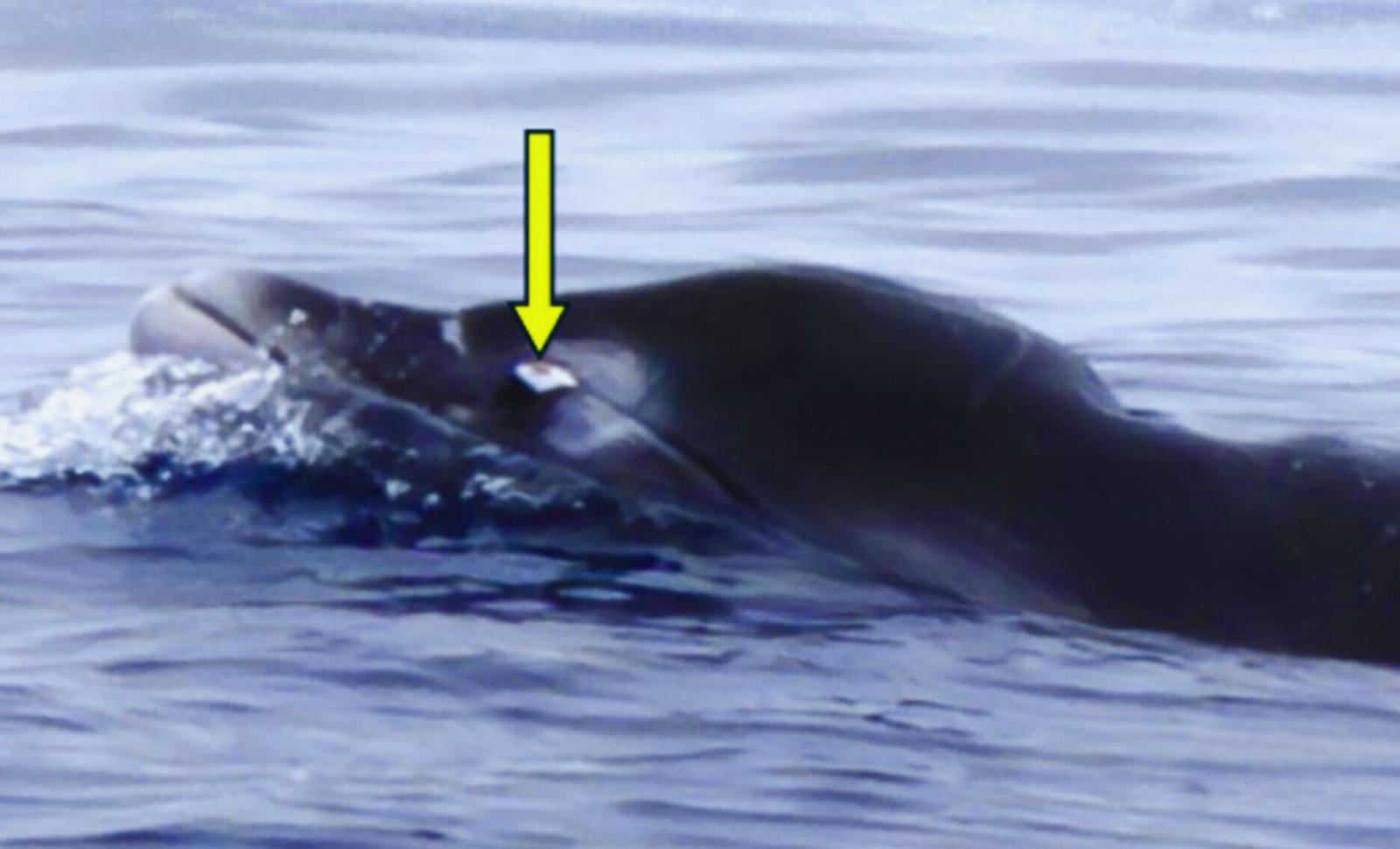
For years, hydrophones in the depths of the Pacific Ocean detected a mysterious, repetitive clicking sound. Scientists tagged this recurring acoustic signature as BW43, a unique identifier for an unknown echolocating creature lurking beneath the waves without ever surfacing.
The North Pacific, especially near Baja California, conceals many secrets thanks to its vast, deep waters. While science has unraveled much of marine life, beaked whales remain elusive due to their deep-diving habits and avoidance of humans. Several species are still recognized solely from stranded remains.
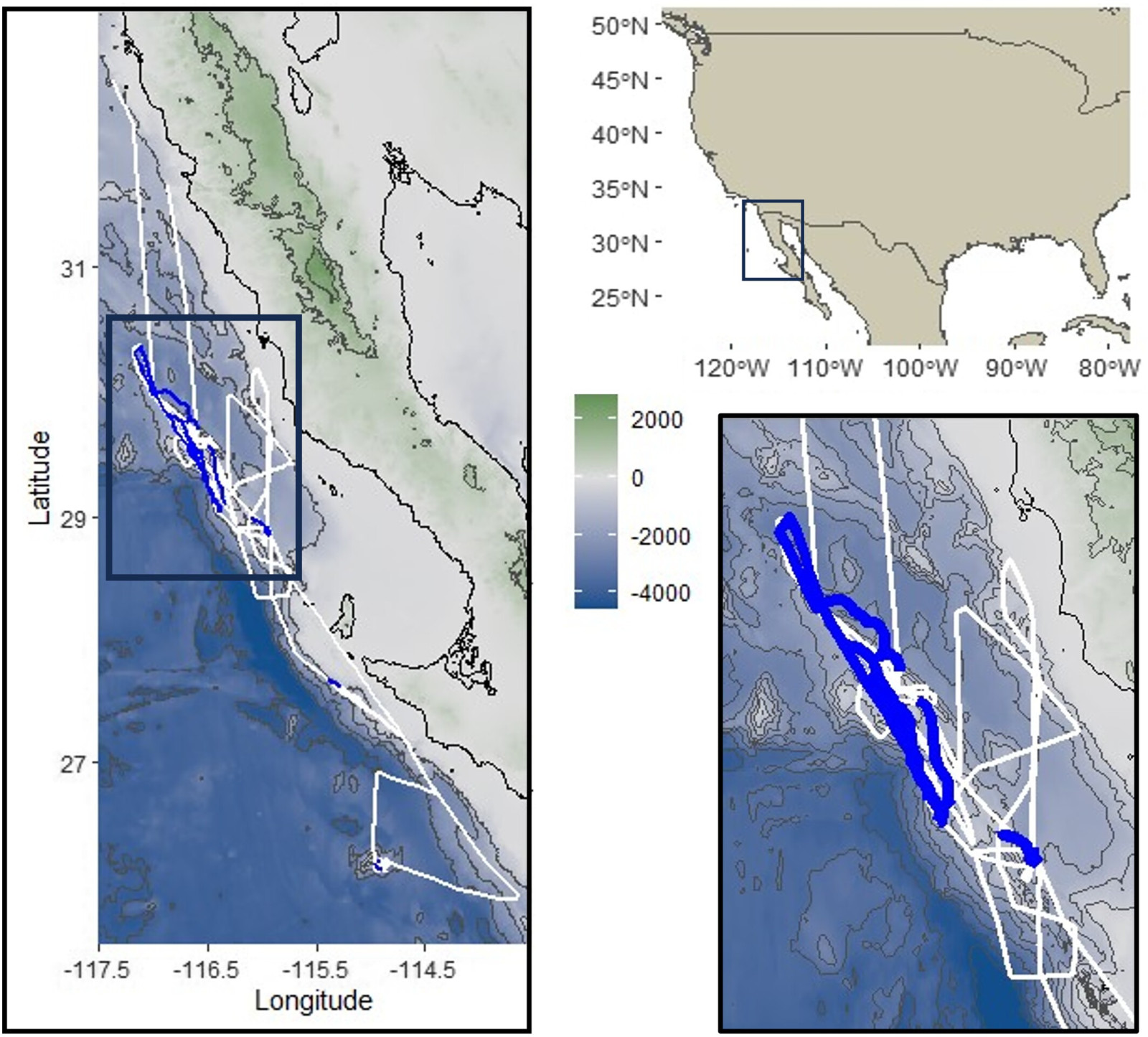
The BW43 sound persisted in data records for over ten years. Some suspected it originated from a species within Mesoplodon, a genus of beaked whales about which little is known, such that even their appearance and movements remain debated. Yet, confirming this guess was not possible without direct observation.

That changed recently. Scientists have now directly linked BW43 to a live animal through photographs and genetic confirmation. The whale identified is Mesoplodon ginkgodens, commonly called the ginkgo-toothed beaked whale. This marks the first recorded sighting of this species in its natural environment.
Identifying a Species Through Its Calls
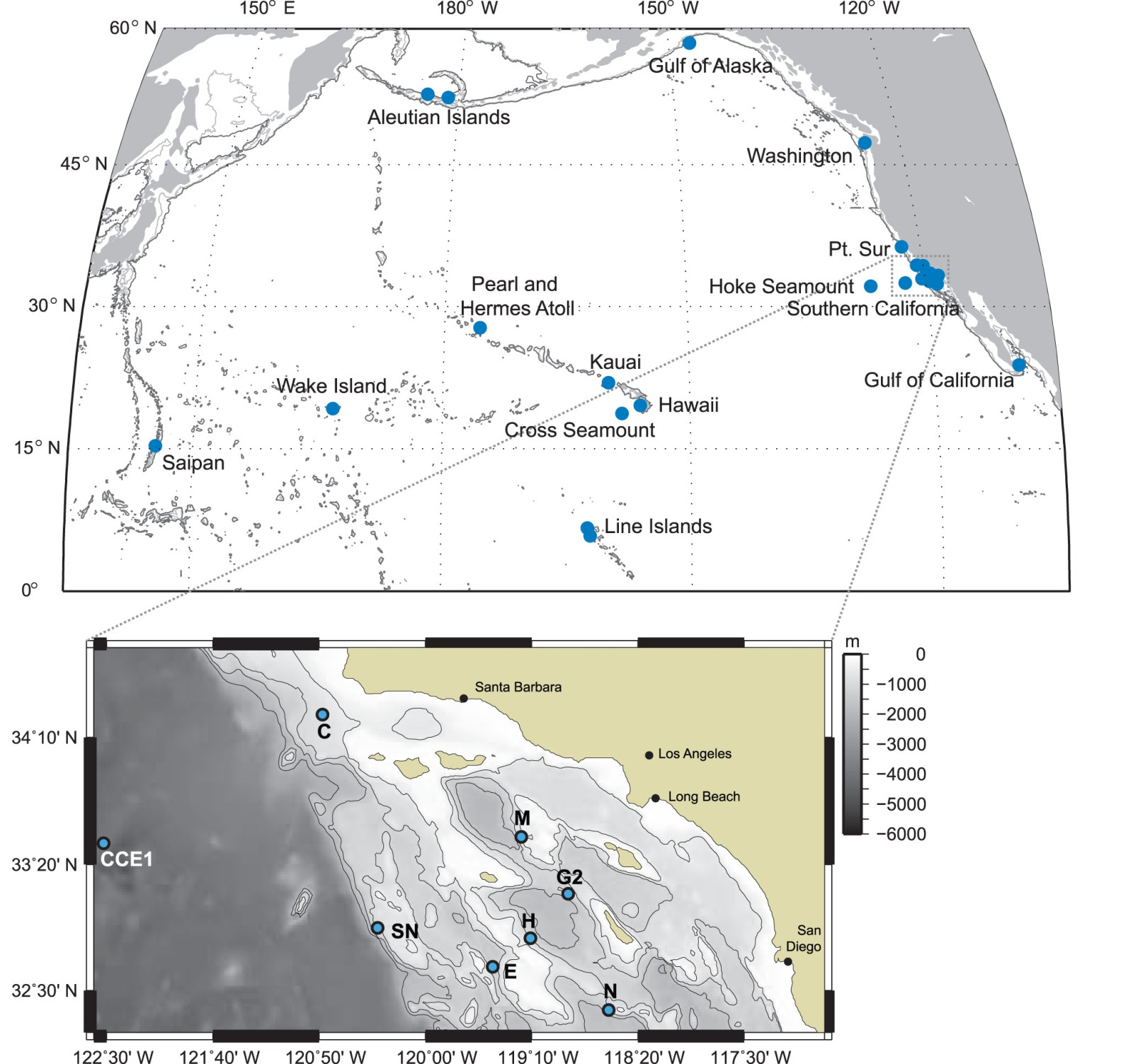
The breakthrough was the result of years of dedicated research by a team led by the U.S. Naval Information Warfare Center Pacific. Each summer, they returned to the remote area, dragging arrays of underwater microphones, using elevated observation platforms, and patiently scanning the waters.
In 2024, success came when the researchers captured 21 occurrences of BW43 acoustics and spotted five groups of beaked whales nearby. One curious juvenile male approached within approximately 20 meters, allowing scientists to obtain a small skin biopsy via a crossbow dart. Genetic testing verified the sample as from Mesoplodon ginkgodens, definitively linking the species to the mysterious BW43 signal.
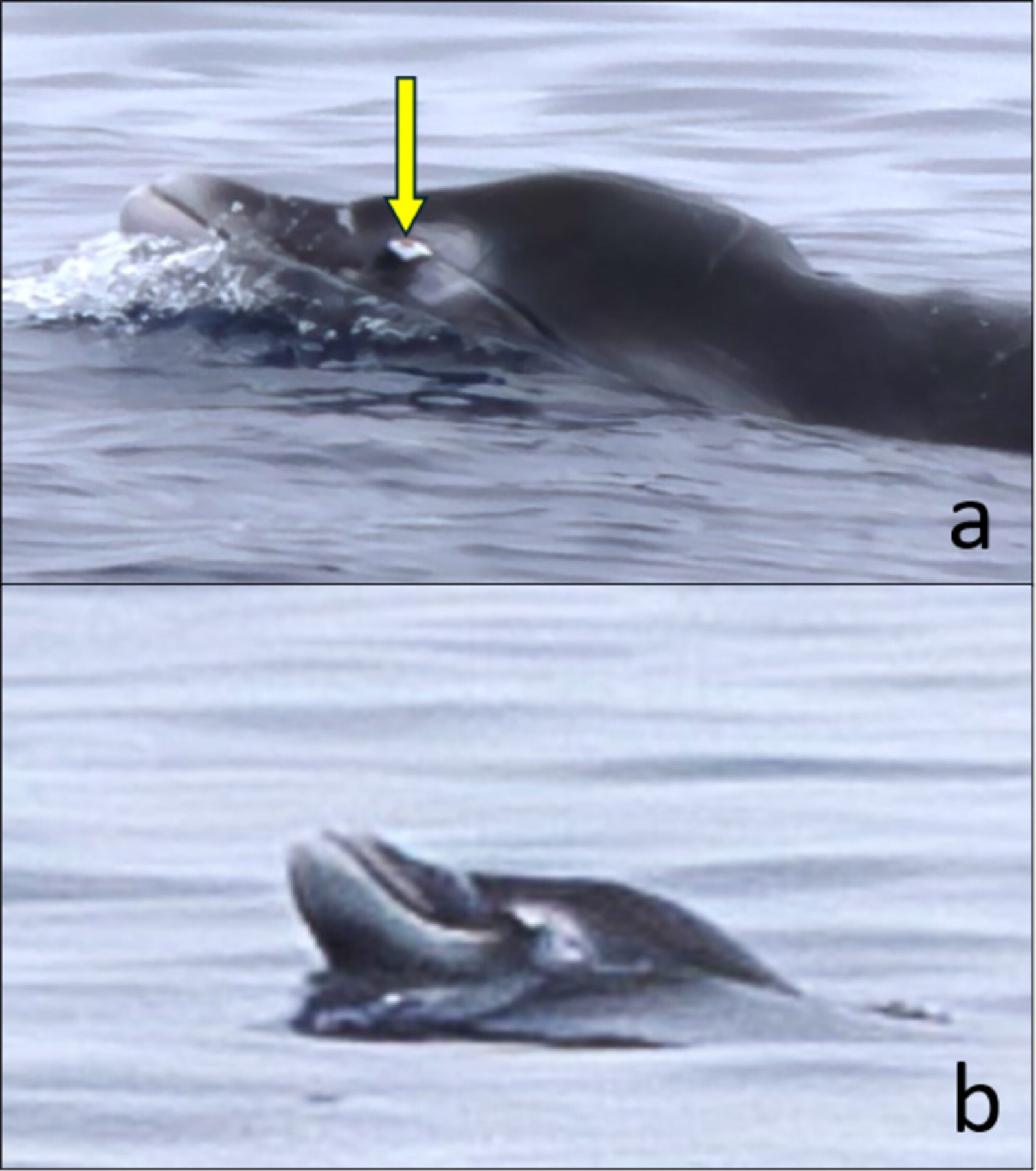
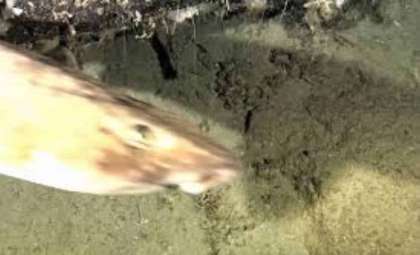
Alongside the biopsy, the team collected environmental DNA (eDNA) from seawater samples, genetic remnants left by whales in their habitat. These eDNA signatures confirmed the presence of M. ginkgodens. High-resolution images revealed identifiable features such as pale facial coloration, a dark patch around the eye, and emerging tusks on the juvenile.
Individually, none of these observations were conclusive. However, combined genetic evidence, photos, and simultaneous acoustic detections established a compelling link. The previously mysterious BW43 calls had finally been traced back to a living whale known only from stranded remains before now.
Dwelling in the Ocean’s Depths
Like its related species, the ginkgo-toothed beaked whale is an expert at avoiding detection. Beaked whales are famed for their remarkable deep-diving ability. A 2006 report in the Journal of Experimental Biology documented dives exceeding 1,800 meters, lasting nearly one hour, in related species.
These whales make brief surfacing appearances, take a few breaths, and quickly descend once again. They rarely come close to ships or coastlines, which explains why the BW43 call went unidentified for so many years. Mostly invisible to observers, they remain present acoustically, yet visually hidden.
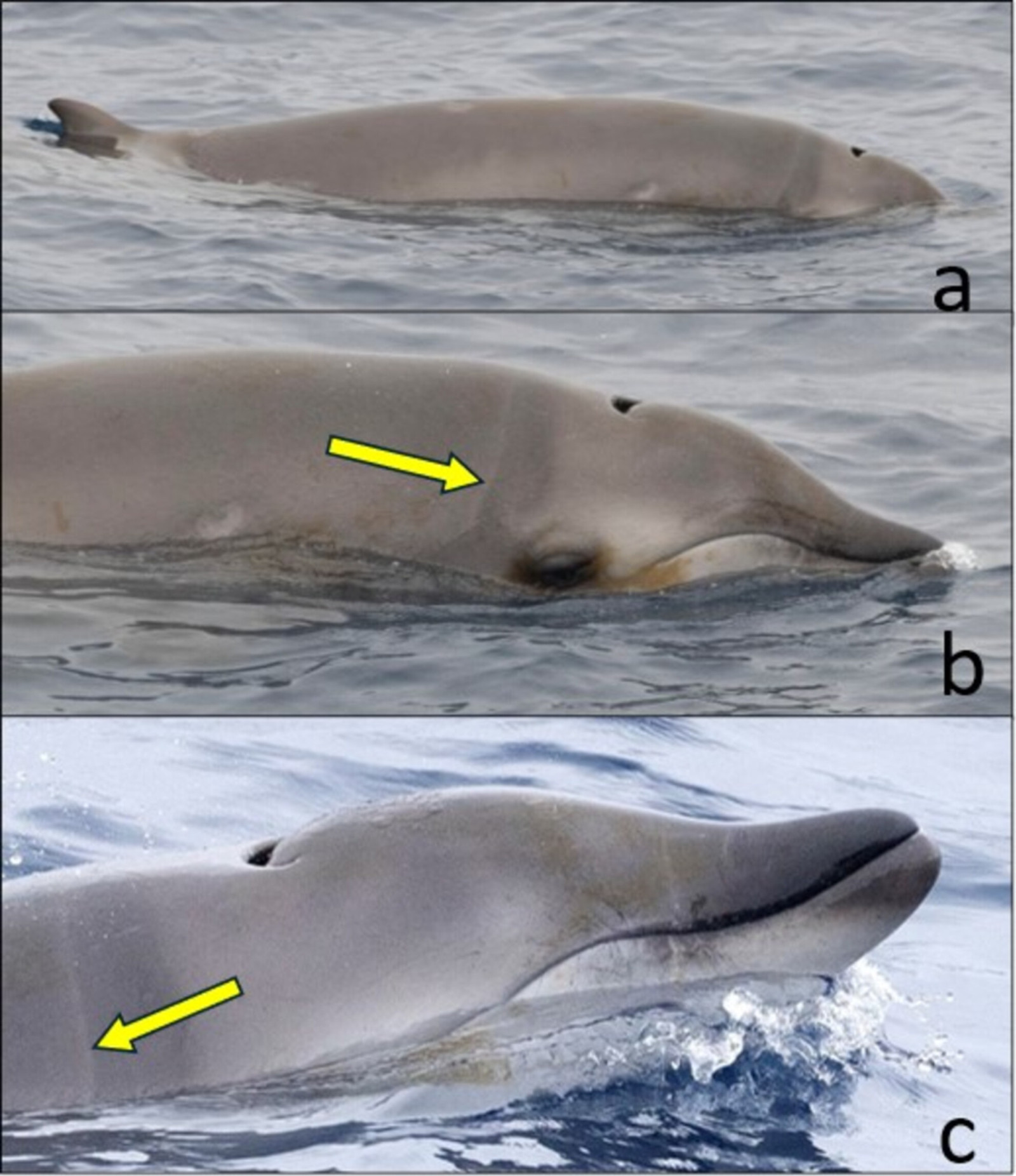
During the expedition, researchers documented adult males with long white scars caused by fights among their own species, where their tusk-like teeth—the flat, leaf-shaped structures near the snout tip—are used for combat rather than feeding. Additionally, cookiecutter shark bite marks were frequently observed, underscoring the ongoing threats even at great depths.
The majority of sightings occurred along the continental slope at depths ranging from 861 to 2,199 meters. Such a habitat, coupled with their elusive behavior, clarifies why this species remained undetected in the wild until now. The findings also hint that these whales could be more resident to this area than previously assumed.
Implications for Ocean Conservation and Research
With BW43 sound now identified, scientists can leverage acoustic monitoring techniques to follow M. ginkgodens throughout the North Pacific. Hydrophone arrays, whether anchored on the seafloor, towed by vessels, or floating on buoys, can pick up the characteristic click patterns even when the whales remain beyond direct observation.
Since beaked whales are known to be sensitive to naval sonar, properly identifying their signals allows environmental agencies and military operations to minimize acoustic disruption in key habitats. Sound serves as a vital tool for safeguarding these deep-diving creatures.
Historically, naval sonar exercises have been linked to mass strandings of beaked whales. A 2014 study published in Frontiers in Physiology explored how mid-frequency sonar might disrupt deep-diving behavior and cause harmful gas embolisms. Now that M. ginkgodens can be acoustically tracked, future protection efforts can be more precisely targeted.
The integrative method—combining real-time acoustic detection, visual evidence, genetic biopsies, and eDNA sampling—provides a promising framework to assign identities to other unknown whale sounds. For instance, the BW37V acoustic signature, previously unattributed, was linked to Hubbs’ beaked whale by a similar acoustic identification study. Comparable efforts remain essential for sounds like BW29.
- Categories:
- Science








0 comments
Sign in to Comment