
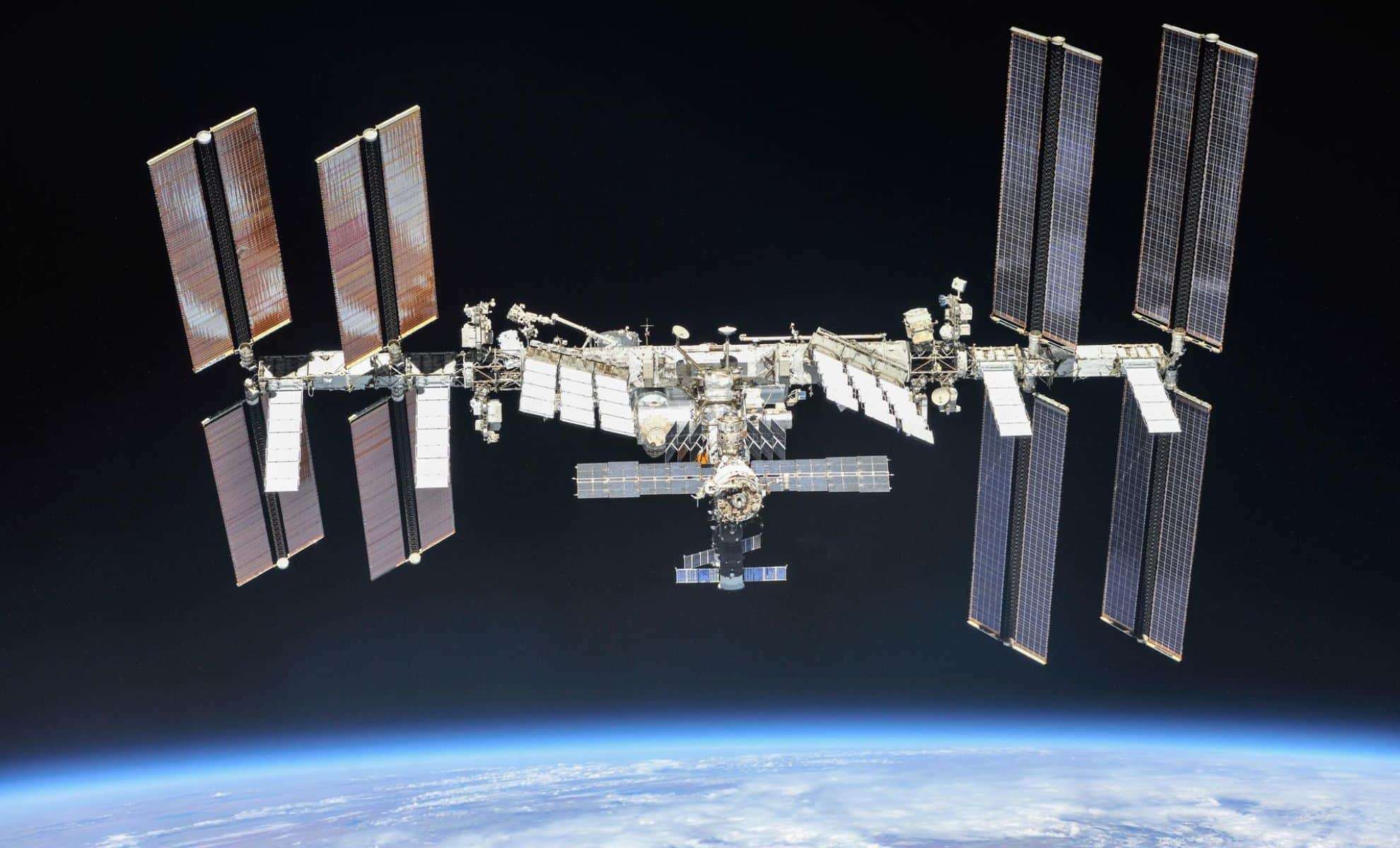
At a recent session, NASA’s Aerospace Safety Advisory Panel (ASAP) highlighted escalating concerns about the International Space Station’s (ISS) future, describing its current state as the “most hazardous stage” in the station’s history. As reported by SpaceNews, panel members voiced significant worries about lingering structural defects, delays in critical missions, and pressing budget constraints that jeopardize ongoing ISS activities and its safe conclusion in orbit.
Structural Worries Mount in Zvezda Module
The Zvezda module, a vital component of the Russian segment, is showing persistent structural anomalies, notably fractures around the PrK vestibule area. Despite investigations, the root cause remains unidentified, prompting NASA and Roscosmos to maintain vigilant oversight. Meanwhile, operational limitations such as restricting repressurization have been implemented to mitigate risks.
Rich Williams, a panel member, stressed, "The ISS has entered the riskiest period of its existence," underscoring that the issues in aging infrastructure are broad and interconnected. "This remains one of our topmost concerns," he added.

Funding Gaps Threaten Deorbit Plans and Safety
Adding to structural issues, there is a critical demand for a dependable deorbit mechanism in emergencies. NASA's contract with SpaceX for the U.S. Deorbit Vehicle (USDV) is in progress but years from completion. The panel warns that premature deorbiting without this system could dramatically amplify public risk from falling debris.
Williams pointed out, "The overarching challenge is the significant shortfall in the ISS budget. These risks stem largely from the fiscal gap and together pose challenges to the transition of low Earth orbit operations."
Budget Shortages Put Safety at Risk
For 2024, NASA has earmarked close to $1 billion for ISS operations and an additional $1.6 billion for crew and cargo transportation. Yet, ASAP fears that an extra $1 billion needed for USDV development and launch setup may siphon funds from the ISS’s limited financial resources.
The 2024 annual report from ASAP delivers a cautionary message: "If funding exceeding $1B for the USDV and launch infrastructure is drawn solely from the existing ISS budget, NASA’s capacity to conduct both routine and emergency ISS operations safely could be severely compromised."
Maintaining Resources Until Safe Deorbit is Essential
As the ISS approaches its planned retirement, reducing funding prematurely poses significant risks, the panel stresses. Williams remarked, "There’s a natural tendency to reduce resources as a program concludes, but for the ISS, sustained funding is vital until the spacecraft is properly deorbited."
While acknowledging the ISS’s impressive operational track record, the panel remains candid about looming dangers: "We value the ISS program’s demonstrated excellence but remain deeply troubled by the escalating and interconnected risks during the years ahead."
Set to retire by 2030, the ISS contends with multiple challenges—from aging cracks in the Russian Zvezda module, to supply chain setbacks and launch delays. These difficulties intensify as NASA reallocates resources toward upcoming commercial space station projects and the development of the U.S. Deorbit Vehicle (USDV) in partnership with SpaceX, placing additional strain on the station’s limited budget.
- Categories:
- News









0 comments
Sign in to Comment