
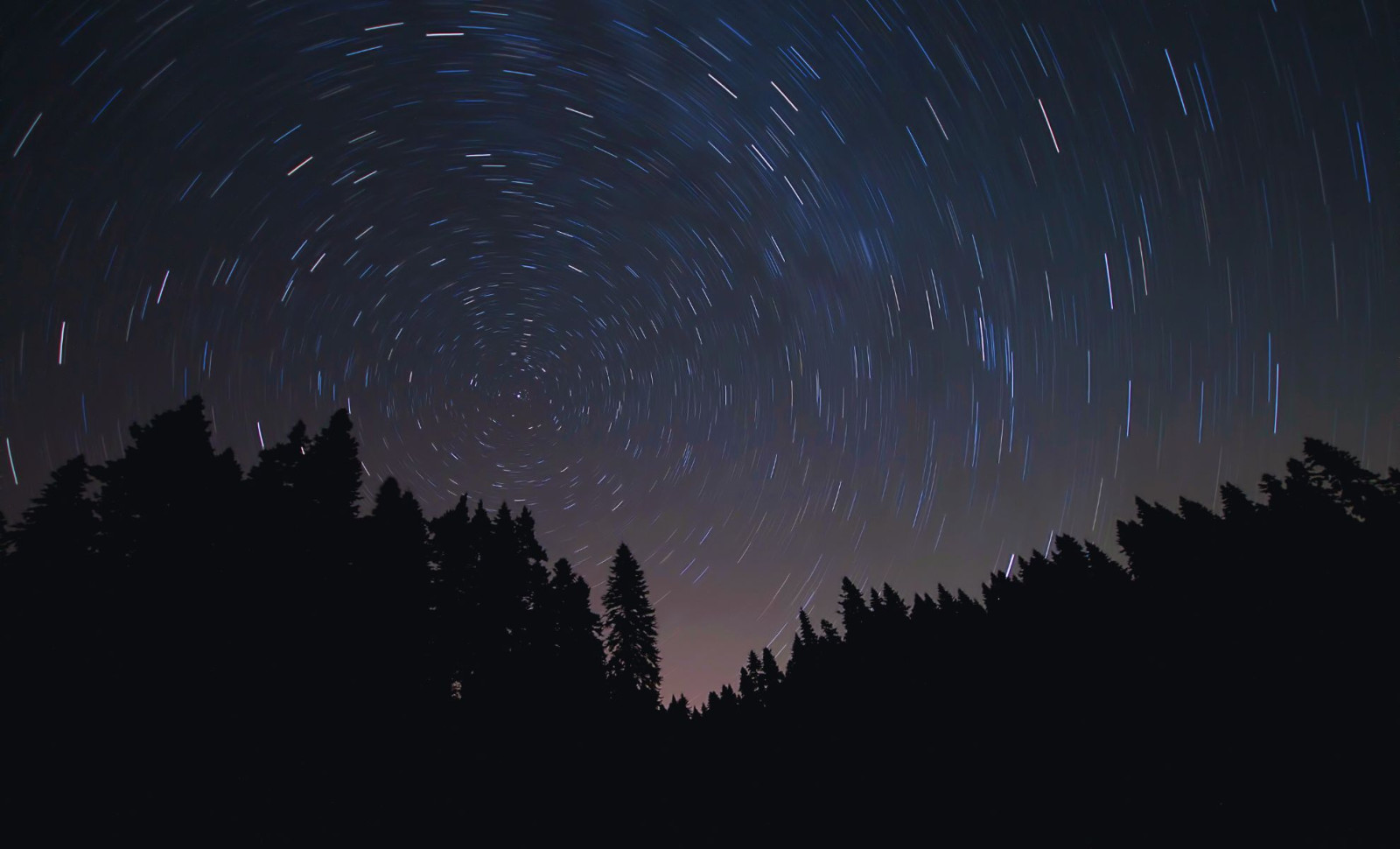
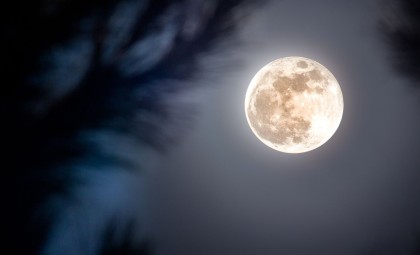
As we step into 2026, stargazers are already setting their sights beyond the year's initial prominent meteor shower. The Quadrantids earlier this month were largely overshadowed by a full moon, but upcoming showers promise more favorable viewing conditions. Several major meteor events will coincide with moonless or dim moon phases, making the skies more inviting for observers throughout the remainder of the year.
Dark Skies Highlight August’s Perseid Shower
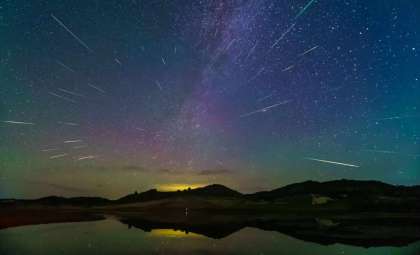
The Perseid meteor shower, which lasts from mid-July to late August, reaches its peak during the night of August 12–13. This year, a new moon will ensure remarkably dark skies for optimal viewing.
Information from Royal Museums Greenwich highlights that the Perseids are among the most dependable and admired meteor showers, sometimes producing several dozen bright meteors per hour. The absence of moonlight in 2026 should enhance what may become one of the most spectacular Perseid displays witnessed in recent years.

Star enthusiasts will find the best viewing opportunity after midnight when the radiant—the apparent origin point of the meteors—rises higher in the sky. In locations far from city lights, such as countryside or mountainous regions, observers can expect a dazzling night filled with shooting stars rather than just a few fleeting glimpses.
Geminids Promise a Dazzling End to 2026
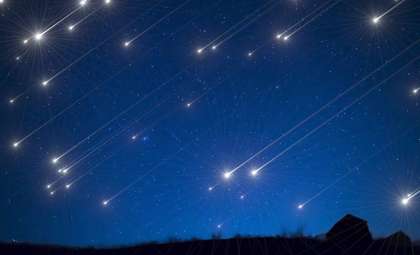
While the Perseids capture summer's attention, the Geminid meteor shower is gearing up to provide an impressive conclusion to the year. Peaking on the night of December 13–14, the Geminids are renowned for their steady performance and abundance, often delivering up to 120 meteors per hour given ideal conditions.
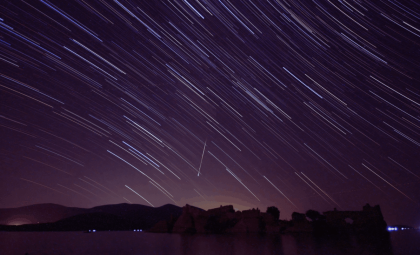
A waning crescent moon will grace the sky during this peak, offering mostly dark skies that enhance the visibility of both delicate trails and brilliant fireballs. As noted by Space.com, the Geminids are famous for not only numerous meteors but also for colorful and slower-moving streaks, making them excellent subjects for long-exposure photography.
Early and Late Showers to Watch
The year’s meteor activity also includes smaller displays such as the Lyrids in April and Eta Aquariids in May, which, despite being less intense, provide noteworthy viewing opportunities. The Lyrids peak on April 22 under a waxing crescent moon, offering reasonable visibility with approximately 18 meteors per hour expected.
Conversely, the Eta Aquariids, predicted to peak around May 5–6, will face some viewing challenges due to a bright waning gibbous moon, particularly for northern observers. Nevertheless, as a shower linked to Halley’s Comet, it occasionally presents bright and swift meteors shortly before dawn.
In the fall, viewers can look forward to the Orionids, another Halley's Comet-related shower, which peaks on October 21–22 under a waxing gibbous moon. Although moonlight might veil many dimmer meteors, some of the brighter shooting stars may still be visible after midnight.
- Categories:
- News

0 comments
Sign in to Comment