
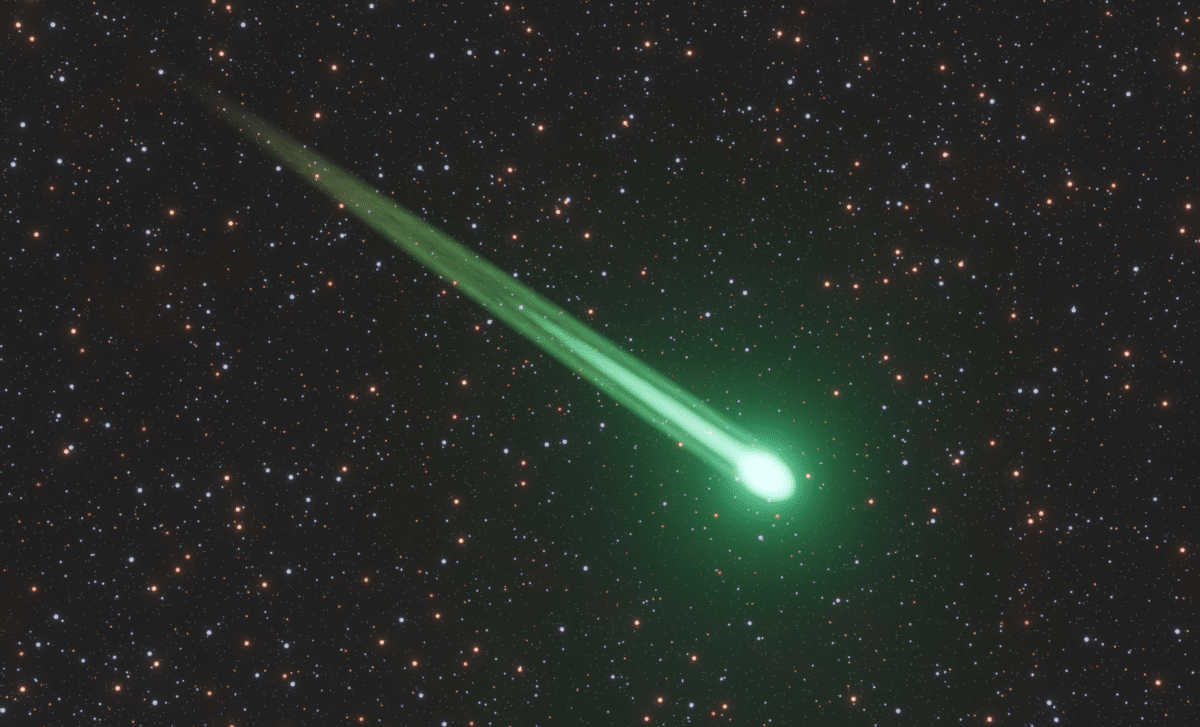
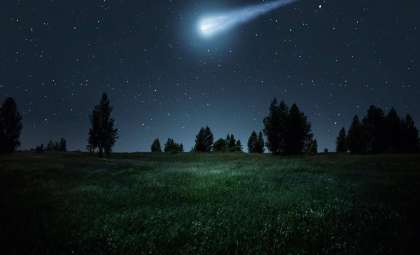
On January 30, 2026, residents of Wellington, New Zealand, witnessed a remarkable spectacle when a radiant streak of light blazed across the night sky. Captured by a webcam stationed at the Heretaunga Boating Club, the dazzling trail sparked widespread intrigue about its nature. According to the BBC, this occurrence might have been caused by either a meteor or descending space debris, yet no definitive explanation has been confirmed.
A Glowing Trail Over Wellington’s Horizon
On that evening, observers were stunned by a luminous streak crossing Wellington’s sky. The footage, taken from the waterfront at Heretaunga Boating Club, showed the gleaming light mirrored on the water’s surface, enhancing the visual impact of the event. Although fleeting, the phenomenon prompted many to wonder whether they had spotted a meteorite, falling space junk, or another rare object.
Moment bright light trail streaks across New Zealand skyline https://t.co/5S1vBGanFH
— BBC News (World) (@BBCWorld) February 1, 2026Add Cosmo Herald as a Preferred Source

Meteors regularly streak through Earth's atmosphere, igniting bright flashes as they are heated and consumed during descent. Alternatively, the trail could have come from human-made orbital debris re-entering the atmosphere, a growing concern due to escalating numbers of satellites and spent rocket parts circling the planet. While meteors are natural phenomena, space debris represents the aftermath of increasing human activity in outer space.
This luminous event was short-lived yet visually stunning, visible to many across New Zealand's skyline. The reflection of the streak on the water further enhanced its captivating effect, making it a memorable sight for those fortunate enough to witness it.
Human-Made Space Debris: An Orbital Problem Intensifies
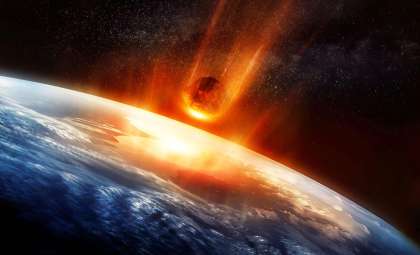
Known commonly as “space junk,” space debris comprises defunct satellites, discarded rocket components, and fragments from previous space missions. Most debris burns up upon re-entering the atmosphere, but larger items can survive descent and potentially impact Earth or threaten other spacecraft.
The volume of space debris is steadily increasing as more spacecraft are launched into Earth's orbit. This growth heightens the risk of collisions, which can generate even more debris and exacerbate the problem. Researchers and space agencies worldwide are actively developing strategies to better track and manage this hazardous orbital clutter.
The bright streak over Wellington could be a meteor, yet the possibility it was space debris adds complexity to understanding this phenomenon, highlighting growing concerns about the visibility and risks of space junk.
The Dynamics of Meteors and Orbital Debris
Meteors, often called “shooting stars,” consist of small extraterrestrial rocks that ignite while passing through Earth's atmosphere. Friction generates intense heat, causing them to glow brightly and create the iconic streaks visible from Earth. These particles usually vaporize before reaching the ground.
By contrast, space debris refers to fragments from human space missions such as satellites and rocket stages. Unlike natural meteors, these materials are man-made and often composed of metals and plastics. Some debris pieces can endure atmospheric re-entry, producing luminous trails similar to meteors but with more erratic trajectories, complicating prediction efforts.
Ongoing research into meteors and space debris is vital in astronomy and aerospace fields, providing insights that support both scientific understanding and safety measures for terrestrial and orbital environments.
- Categories:
- News







0 comments
Sign in to Comment