
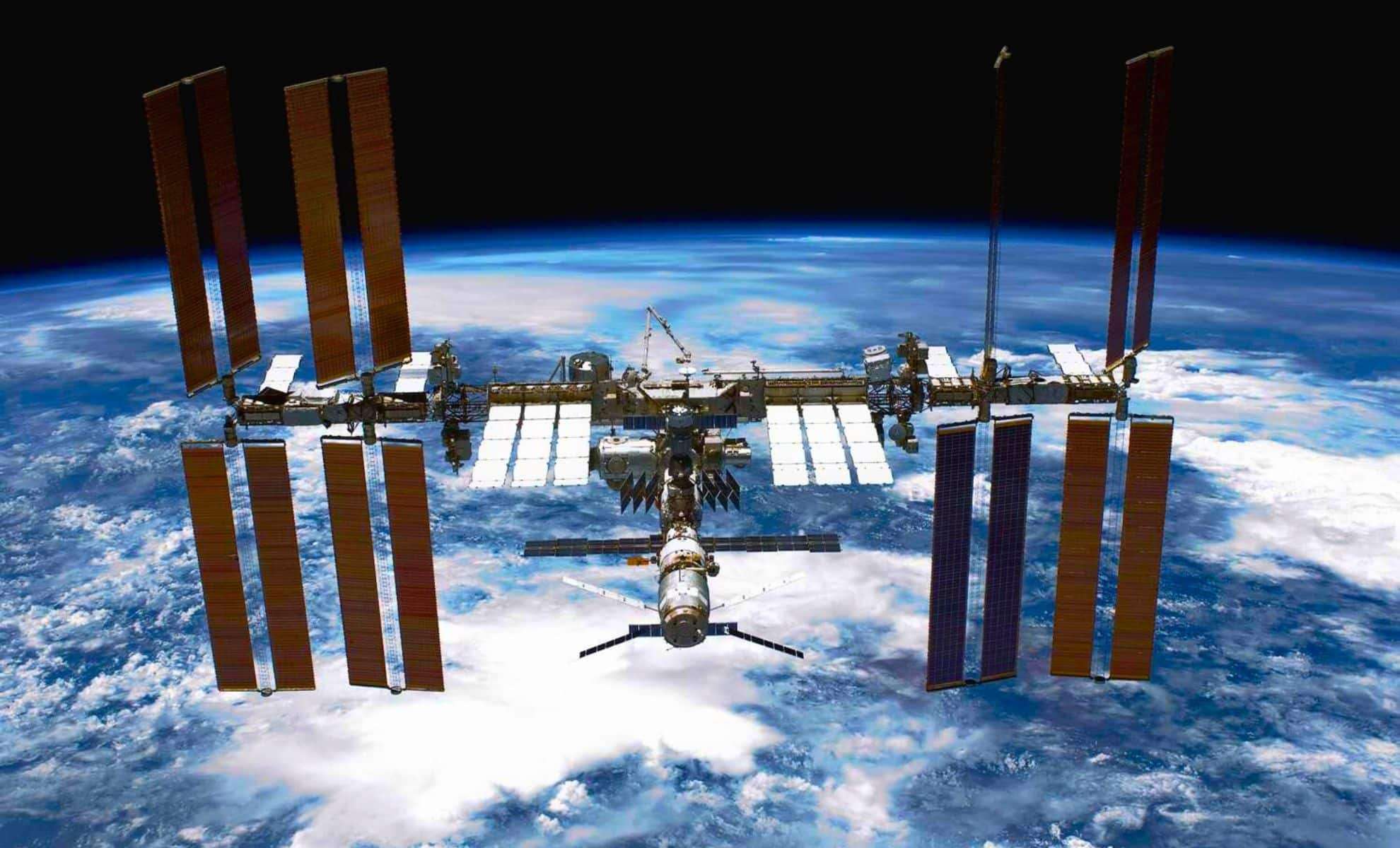
The International Space Station (ISS), a hallmark of global cooperation in space exploration, is currently confronting a serious threat. A continuous air leak detected in the Russian-operated Zvezda module has raised alarms about a potential disaster. Crew members are following rigorous safety measures, yet tensions escalate between NASA and Roscosmos regarding the severity of the issue. Could this mark the beginning of the end for the aging station?
Escalating Issues within the Zvezda Module
Since 2019, the Zvezda module has experienced recurrent air leaks, but recently these have become noticeably worse. Current leak rates reach about 2.5 pounds (1.13 kg) of air per day, posing serious risks to the module’s ability to sustain pressure and structural soundness.
Unraveling the Cause of the Leak
There is disagreement over the leak's source between NASA and Roscosmos:

- NASA attributes the problem to material fatigue aggravated by long-term exposure to the harsh space environment, including fluctuating temperatures, radiation, and impacts from micrometeoroids.
- Roscosmos, on the other hand, blames vibrations from thruster firings and docking activities combined with the ISS’s aging framework, resulting in metal fatigue and cracks.
Detecting and fixing these leaks is complicated by their locations behind various structural components, piping, and wiring. Despite ongoing repair efforts, the leaks remain a serious safety concern, necessitating constant monitoring and restricting module access.
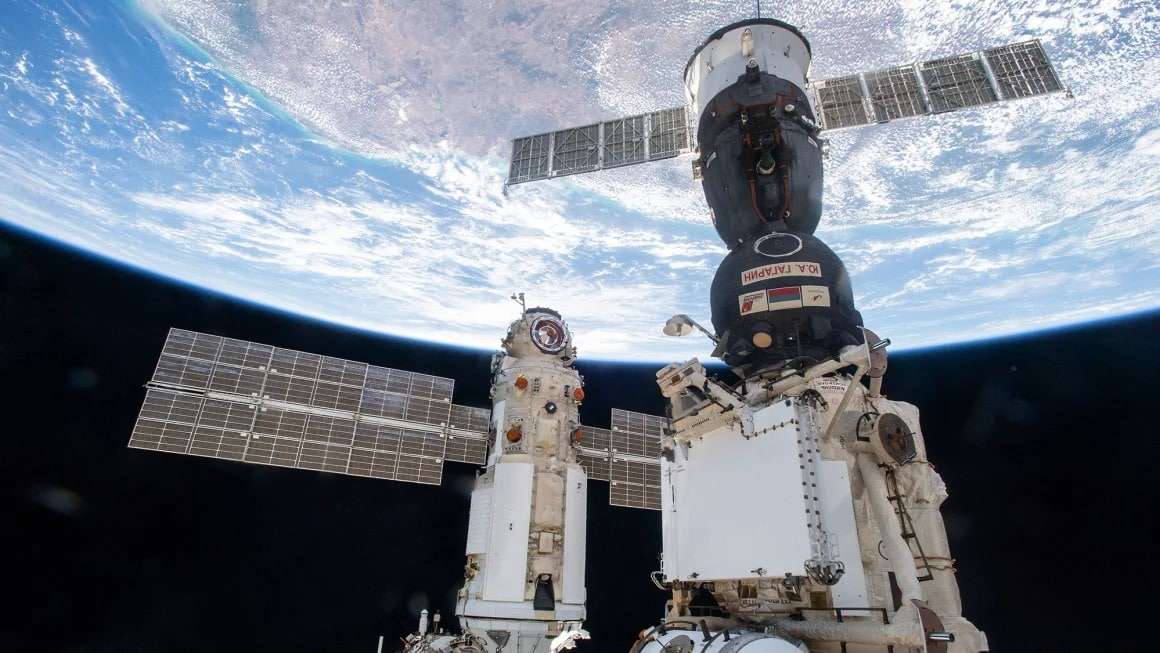
Astronauts Adjust to Operating Around the Hazard Zone
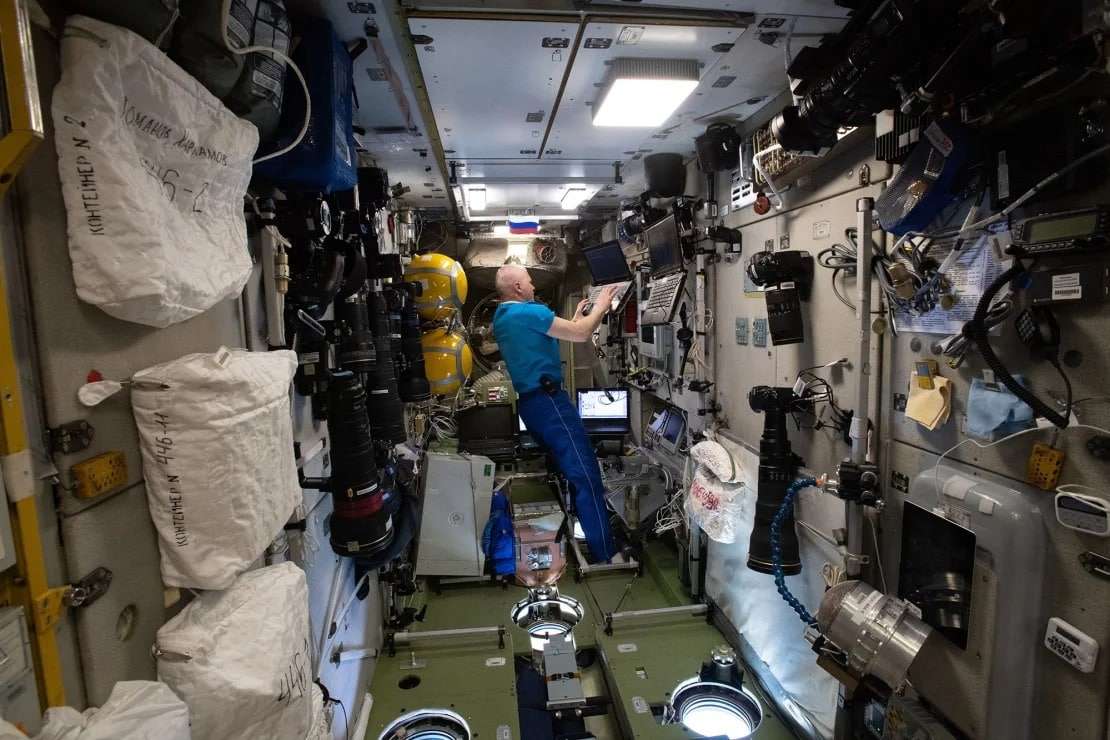
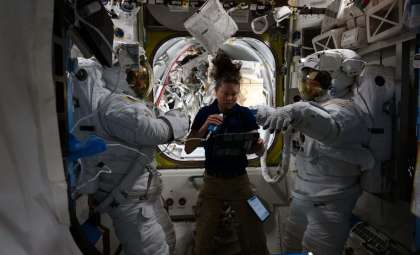
In response, ISS crew members are living under enhanced safety rules. The Zvezda module remains sealed off, opened solely for essential activities such as cargo handling. To minimize exposure to leaking air, crew members carefully segregate Russian and American segments when working in or near the module.
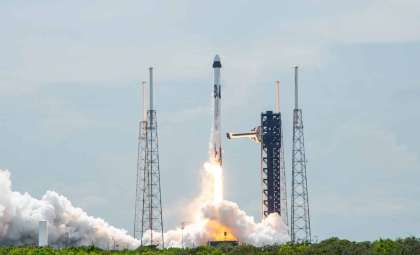
NASA has also taken emergency preparedness steps. This includes outfitting the SpaceX Crew Dragon spacecraft with extra pallet seats, allowing for quick evacuation of astronauts who arrived onboard Soyuz vehicles. Such arrangements highlight the precarious conditions astronauts now endure within the confined space station environment.
NASA and Roscosmos: Divergent Views on a Shared Crisis
The fissures between NASA and Roscosmos have become more evident with this unfolding incident. NASA warns of a looming risk of catastrophic failure and advocates for independent expert assessments. Conversely, Roscosmos downplays the danger, assuring ongoing operations are safe but offering limited supporting data.
Both sides agree that if the leaks become unmanageable, the affected module may need to be permanently shut down. However, disagreement over what constitutes “unacceptable conditions” has delayed concrete decisions.
Comparing NASA and Roscosmos Positions:
Will This Mark the ISS’s Final Chapter?
This dilemma unfolds as the ISS approaches the latter part of its lifespan. While NASA intends to maintain station operations until 2030, Roscosmos has hinted at a potential exit by 2028, raising doubts about the continuation of the collaboration.
NASA is aggressively advancing toward a future supported by private space stations, committing to large contracts in 2026 with firms such as Blue Origin and SpaceX-backed Vast. However, skepticism remains regarding whether these commercial stations will be available in time to succeed the ISS.
Amid persistent leaks in the Zvezda module and eroding international cooperation on the ISS, the station’s fate depends on swift technical fixes and diplomatic progress.





0 comments
Sign in to Comment