
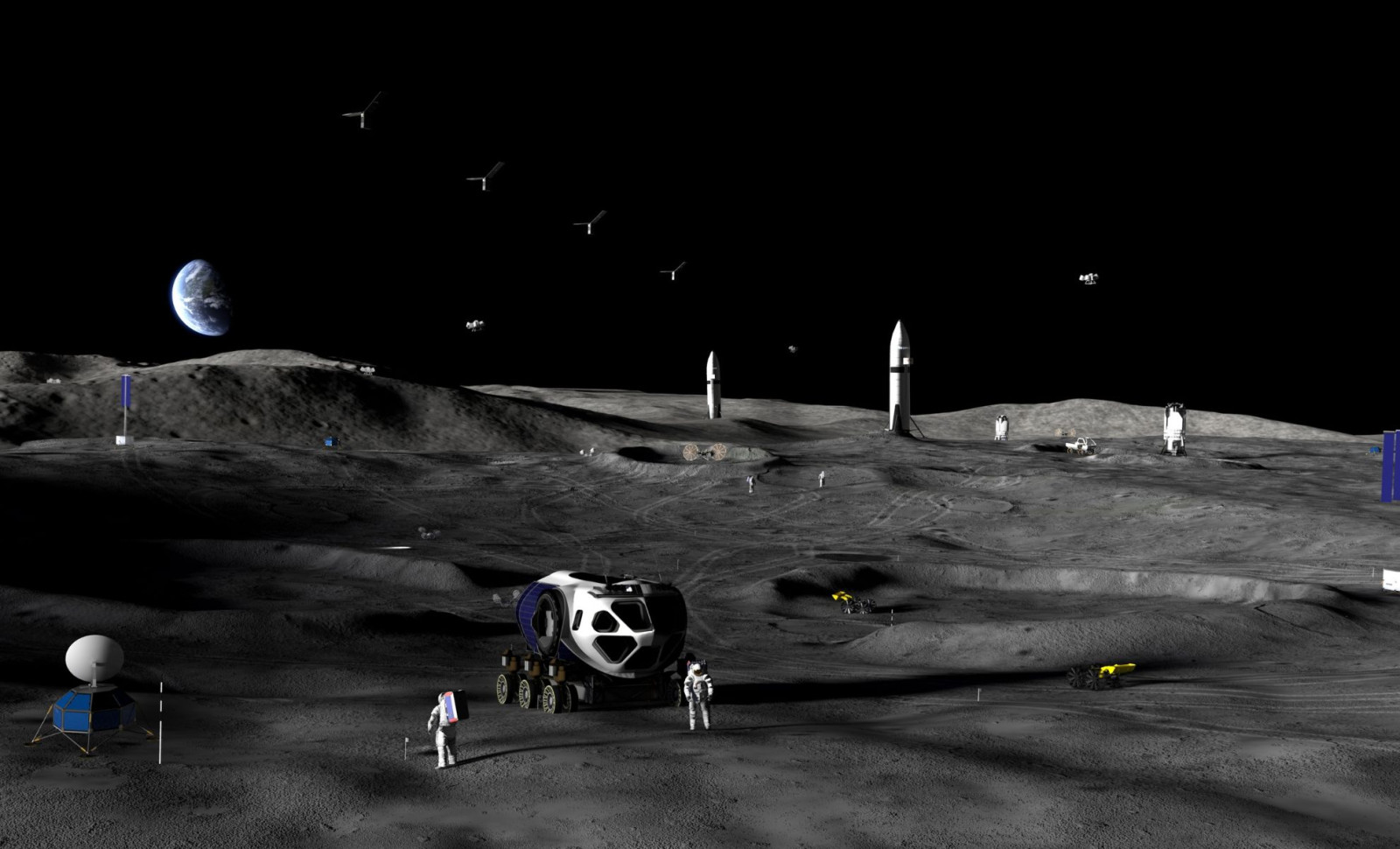
NASA has designated three robotic missions aimed at the Moon, advancing its ambition to create a permanent settlement on the lunar surface. This nearly $600 million investment demonstrates the agency's commitment to maintaining momentum despite challenges faced with a commercial launch provider.
To enable sustained human presence on the Moon, NASA plans to initially send robots to perform critical groundwork. These upcoming missions will deliver essential cargo and scientific tools to facilitate the establishment of necessary infrastructure for future astronauts.
These contracts mark a strategic evolution in NASA’s approach to lunar exploration. They complement prior mission awards from earlier this year and underscore a shift in focus toward building facilities directly on the Moon rather than relying solely on orbiting platforms.

Robotic Missions Pave the Way for Human Exploration
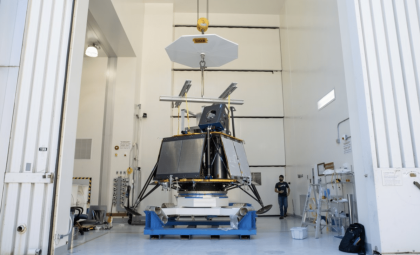
NASA announced on Tuesday that it selected three U.S. companies to deliver payloads to the lunar surface. Allocating nearly $600 million for these efforts, the missions will transport scientific equipment alongside infrastructure components critical for future crews. Lori Glaze, head of NASA’s Human Spaceflight Mission Directorate, stated:
“These new awards to our commercial partners, totaling nearly $600 million to land more missions on the Moon with science payloads, demonstrate our commitment to accelerating our effort to build a long-term presence on the lunar surface, and give us more opportunity to develop the skills we need to prosper there.”
The agency explained that these robotic flights are designed to do more than just ferry scientific instruments. They aim to deploy automated systems that will begin assembling infrastructure astronauts can depend on, ensuring the lunar environment is prepared well ahead of human arrival.
This initiative expands NASA’s collaboration with commercial partners for lunar surface operations, enabling robots to conduct initial groundwork and establish vital facilities.
Continuing Progress Despite Blue Origin Challenges
The new mission awards follow the unexpected failure of Blue Origin’s New Glenn rocket earlier this year, an event that presents complications to some lunar program elements.
NASA officials have admitted that delays are likely but emphasized their commitment to exploring alternative approaches to maintain their timelines.
“We’re working with Blue Origin very closely to understand their timelines to recovery and also looking at other options in case it doesn’t meet our timeline,” Carlos Garcia-Galan, NASA’s program manager for the moon base, said during a media briefing.
The statement reflects NASA’s intent to stay adaptable while driving the overall mission forward.
The Lunar South Pole: The Target Zone
Earlier this year, NASA reoriented its lunar ambitions. After years developing the Gateway orbiting lunar station, the agency announced in March a pivot toward constructing a surface base backed by a $20 billion budget.
The proposed facility will be located near the lunar south pole, an area where frozen water deposits have been discovered in the soil. Robotic missions are expected to begin preparing the site, with construction possibly commencing by 2029.
“The Moon Base will be built in phases. NASA will begin with robotic missions that test new technologies and explore the lunar environment, then gradually build the systems and infrastructure needed to establish humanity’s first long-term presence on the Moon,” as stated the agency in a press release.
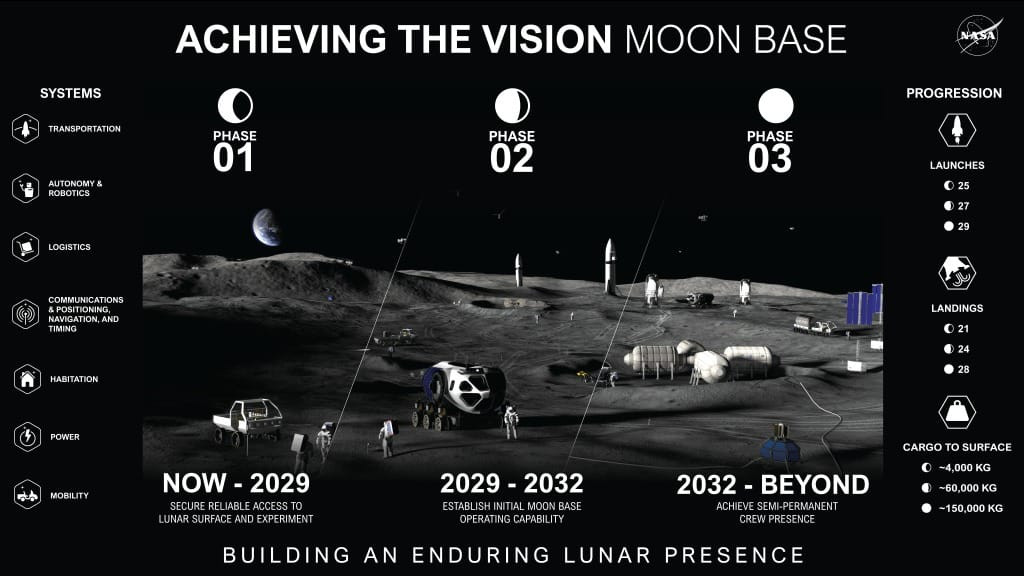
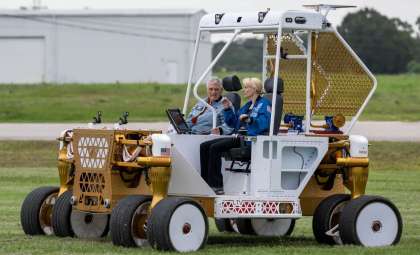
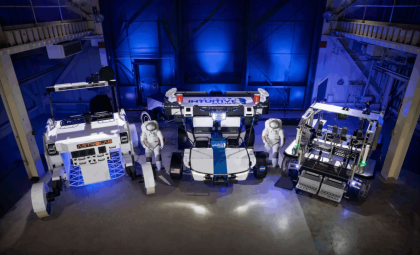
This comprehensive plan includes deploying landers, rovers, and drones to scout terrain and set up crucial assets such as power generators and pressurized living spaces. NASA has also indicated it may adapt a Mars rover to support lunar operations.
The agency underscored that this initiative forms part of a larger national effort to compete with China, which is pursuing its own crewed Moon missions and lunar infrastructure development.
- Categories:
- Nasa






0 comments
Sign in to Comment