
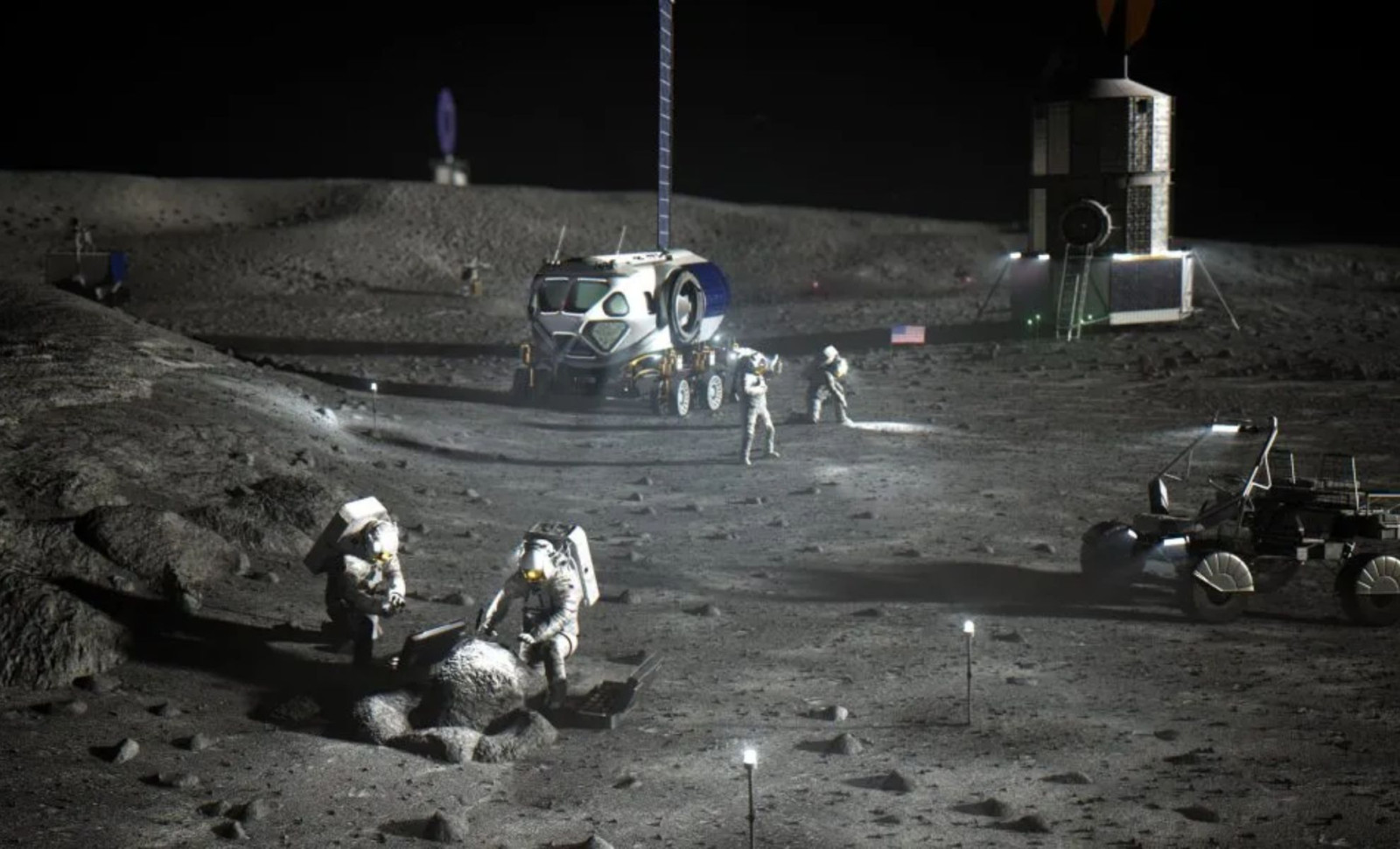
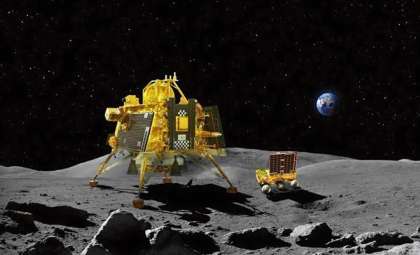
NASA is advancing plans to establish a long-term human outpost on the Moon, marking a significant milestone in humanity’s endeavor to inhabit space beyond Earth. Backed by Congressional support and a recent presidential directive, NASA is moving forward with foundational steps toward constructing this lunar settlement.
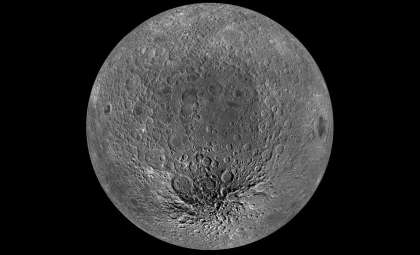
The facility will be located near the Moon’s south pole, an area abundant in essential resources such as water ice. This not only could sustain human life but also enable fuel production for rockets. Facing increasing space ambitions from China and Russia, the U.S. is keen to preserve its leading position in extraterrestrial exploration.
Why Target the Moon’s South Pole?
NASA’s focus on the Moon’s south pole is strategic: this region likely harbors water ice deposits, which are crucial for prolonged habitation. Extracted ice could supply drinking water or be transformed into rocket propellant, supporting extended missions. Moreover, its near-constant sunlight offers an excellent source for solar energy generation, a benefit not shared by the Moon’s equatorial zone, where temperatures vary drastically.

Determining the exact site is ongoing. NASA identifies locations like Shackleton Crater and Mons Mouton as promising candidates, yet the final decision hinges on ensuring a secure, stable environment conducive to astronaut safety and well-being.
Powering the Moon Base: Nuclear Energy?
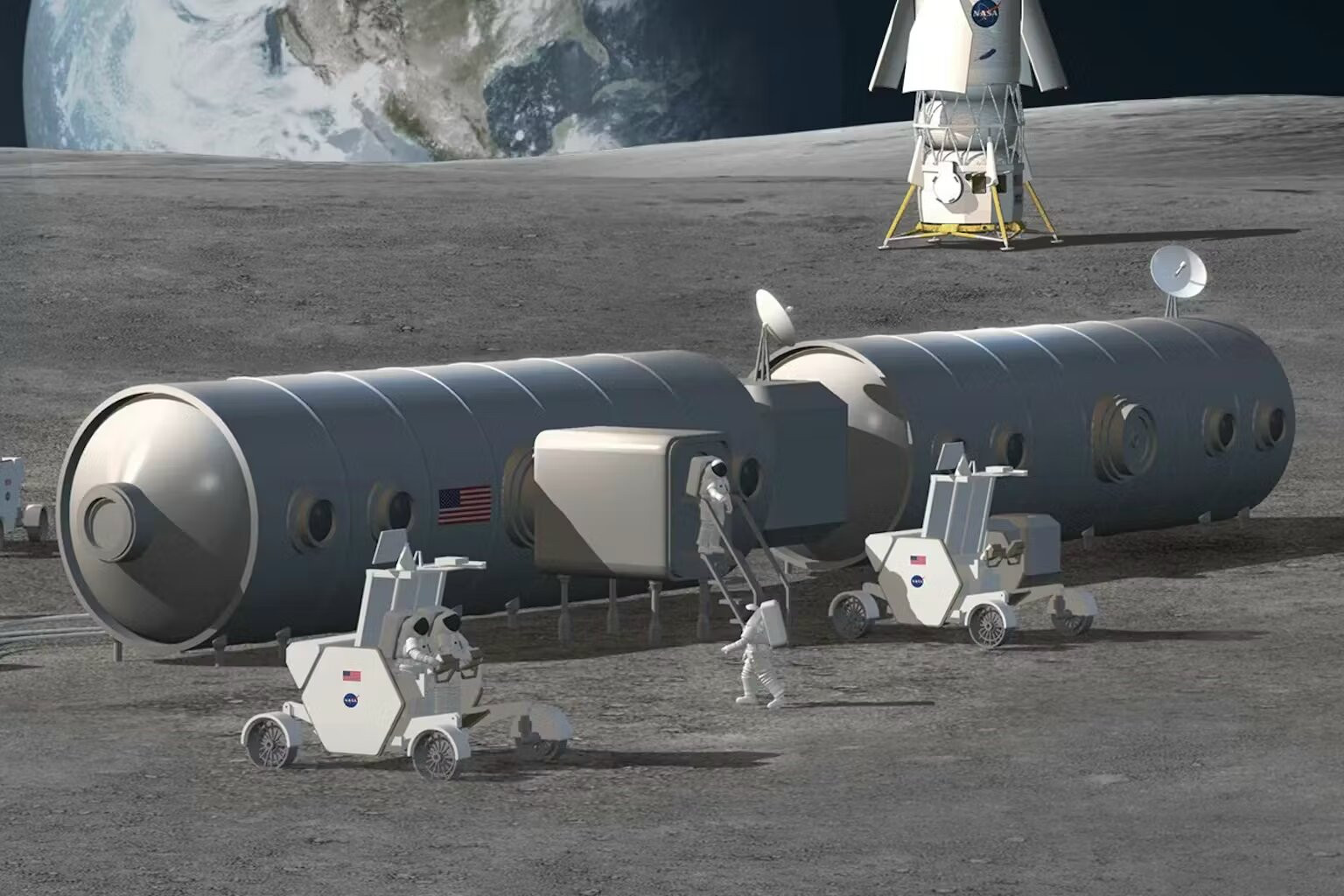
A significant obstacle for lunar habitation is the lengthy, cold night lasting about 14 Earth days. Solely relying on solar power won’t suffice to sustain a permanent station. According to a executive order posted by the White House, NASA is progressing on small nuclear fission reactors to provide consistent energy through lunar nights.
with the goal of8enabling near-term utilization of space nuclear power by deploying nuclear reactors on the Moon and in orbit, including a lunar surface reactor ready for launch by 2030.
These reactors would be sent to the Moon in an inactive state and powered up only after arrival. Placement would ensure adequate shielding, either by burial or distancing, to protect astronauts from radiation exposure. However, such plans introduce legal complexities: while the Artemis Accords emphasize transparency and safety measures, the Outer Space Treaty guarantees equal access for all countries to lunar territories.
Robotics, Exploration Vehicles, and Expandable Living Quarters
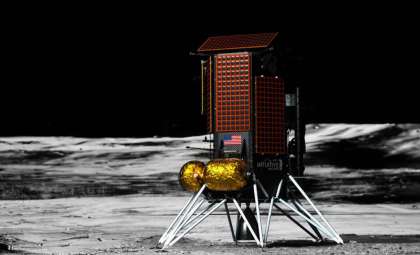
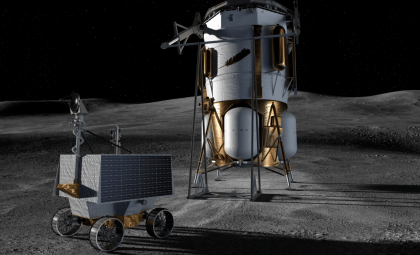
Establishing a lunar settlement involves much more than just landing astronauts and equipment. Initial efforts include sending automation systems to examine the surface, locate valuable resources, and start setting up crucial infrastructure. These robotic missions will also prepare the terrain by clearing and stabilizing landing areas to protect against damaging lunar dust.
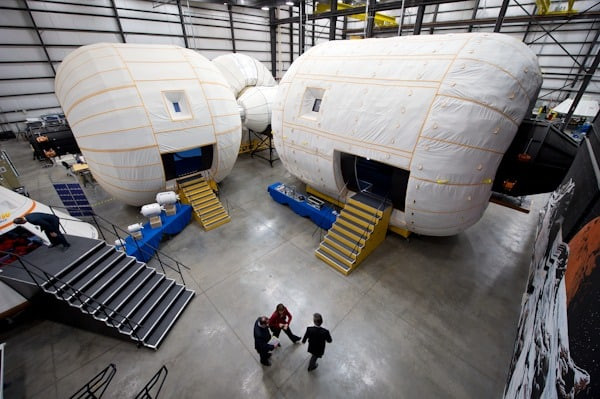
Once established, crew members will inhabit modular structures designed for expansion after deployment. Looking ahead, NASA intends to utilize the Moon’s native regolith for constructing more durable shelters, shielding inhabitants from radiation and meteoroid impacts. International partnership and adequate investment remain essential to turn this vision into reality.






0 comments
Sign in to Comment