
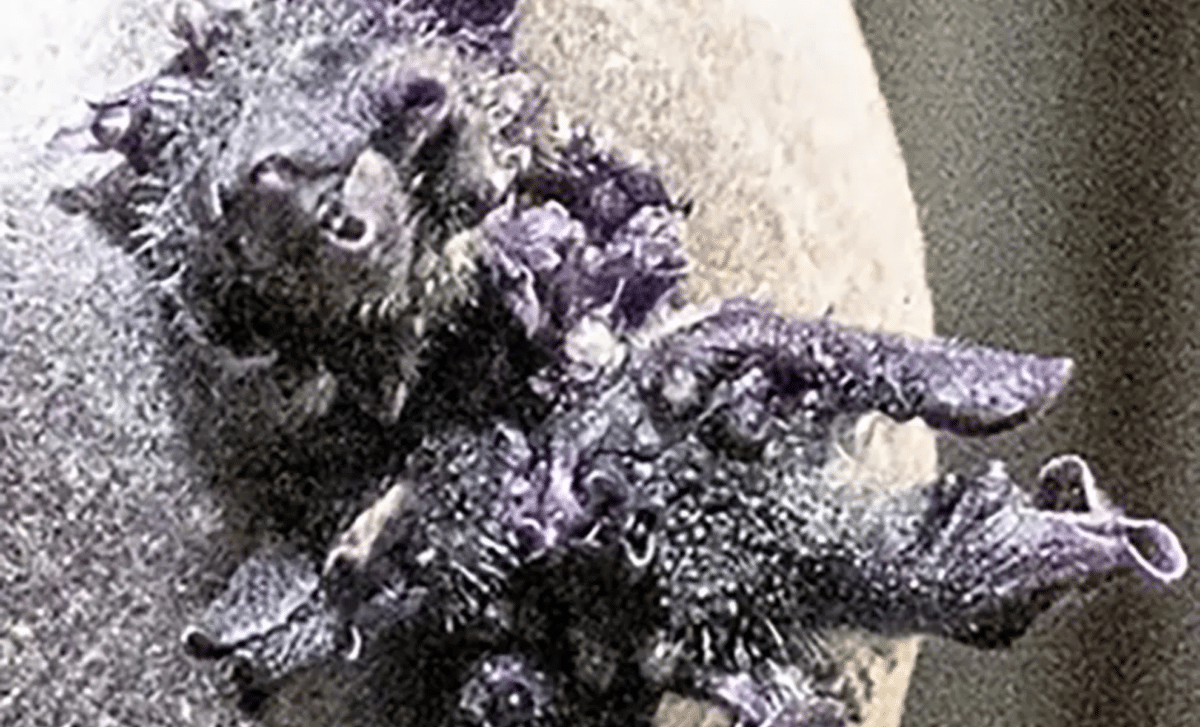
In an unexpected revelation that captivated online audiences, NASA astronaut Don Pettit recently shared an intriguing photo depicting a strange tentacled object developing aboard the International Space Station (ISS). Initially resembling a mysterious egg with dark tendrils, the image triggered playful guesses and jokes suggesting it was a creepy lifeform requiring immediate action. However, the reality was far more scientific and captivating. Pettit explained that the unusual growth was actually a potato, part of his personal agricultural experiment while in orbit.
Unveiling the Nature of the Tentacled Growth
When Pettit first posted this image on social media, it sparked widespread curiosity with speculations ranging from alien organisms to bizarre space anomalies. The photo, taken during Expedition 72 between September 2024 and April 2025, displayed an egg-shaped object sporting black tendrils at its base. Pettit clarified that the photo showed an early-stage purple potato cultivated under microgravity conditions aboard the ISS.
"This is an early purple potato, held in place by a bit of hook Velcro within my makeshift grow light terrarium," Pettit explained. This was part of his off-duty space gardening initiative, aimed at experimenting with crop cultivation in space. Such projects are crucial steps toward enabling sustained human missions, including potential colonization on the Moon or Mars.

Why Cultivating Potatoes in Space Is Important
Beyond being a widely consumed food on Earth, potatoes serve a critical role in space-based agricultural research. Renowned for their nutritional value and cultural significance—highlighted in popular culture such as The Martian—they offer promising prospects for sustaining astronauts during extended missions. Pettit’s gardening experiments form part of NASA’s larger effort to develop reliable food production systems in orbital environments.
“Without gravity, roots grow in every direction, and overall plant development occurs much slower compared to Earth-grown crops,” Pettit shared when discussing how space cultivation differs. This underscores the challenges of zero-gravity farming and the importance of understanding how plants adapt to microgravity. These investigations are vital for long-term habitat sustainability beyond Earth.
Continuing his work aboard the ISS, Pettit revealed that these potatoes are one element of multiple crop trials being tested to assess space viability. “I have more photos to share soon,” he hinted, offering a glimpse into future agricultural insights for space exploration.
The Role of Space Farming in Future Exploration
NASA’s push to grow diverse crops in space aims not only to meet nutritional needs but also to enhance mission sustainability. By experimenting with foods like potatoes, tomatoes, and peppers, researchers seek to identify plants most resilient to space environments. Certain antioxidant-rich foods, including berries and beans, also show potential to shield astronauts from radiation, adding critical health benefits to space farming.
Looking ahead, NASA envisions these agricultural breakthroughs supporting lunar and Martian settlements. “Potatoes offer a high efficiency in terms of edible nutrition relative to their total plant mass,” Pettit observed. These early experiments serve as foundational steps to enable astronauts to cultivate fresh produce in situ, diminishing supply chain dependencies from Earth.
The importance of these advances is profound, as sustainable food production ranks among the core challenges for prolonged human presence beyond our planet. Pettit’s work with simple potatoes highlights how seemingly ordinary items may significantly influence humanity’s future in space.
NASA’s Continuing Mission: From the ISS to Beyond
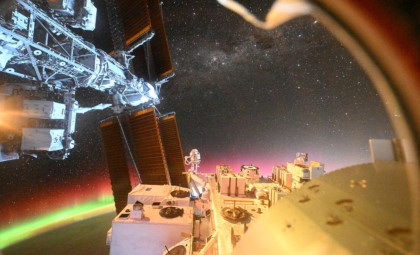
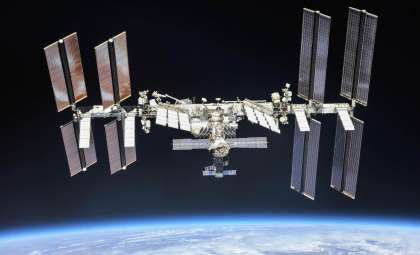
Orbiting 250 miles above Earth, the ISS stands as a $100 billion laboratory supporting continuous occupation since November 2000. It serves as a unique platform for myriad scientific studies spanning health, material sciences, and biology under microgravity conditions. Over two decades, NASA and its partners have investigated the effects of space on human physiology and plant growth.
As the ISS nears the conclusion of its originally planned lifespan, NASA is preparing next-generation space habitats. “Foods such as berries and antioxidant-packed beans could additionally protect crew from space radiation,” NASA stated. These innovations are integral for upcoming missions targeting permanent human bases on the Moon and Mars.
- Categories:
- Space



0 comments
Sign in to Comment