
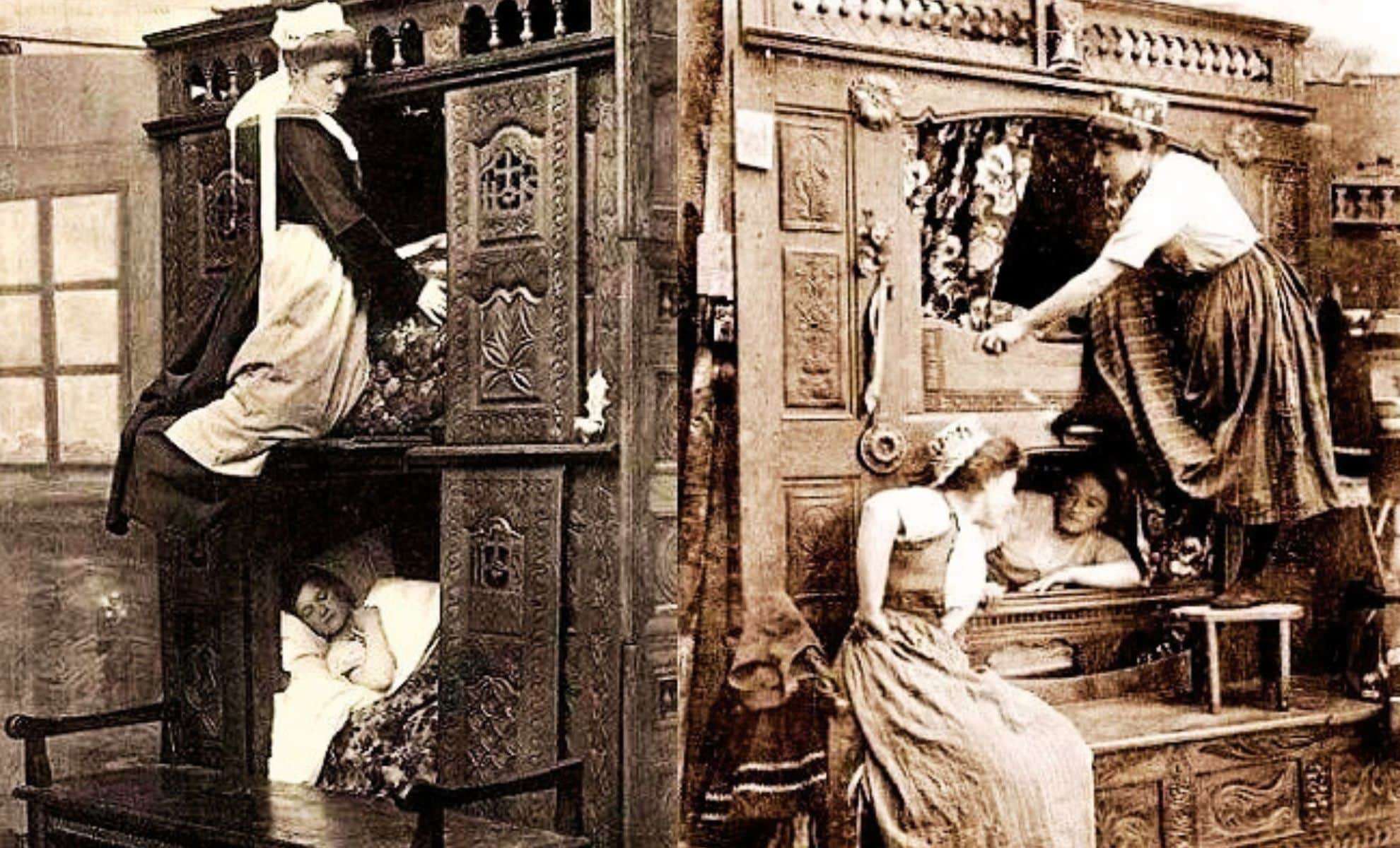
During eras when living quarters were compact, chilly, and crowded, the concept of resting inside a wooden cabinet might seem quite practical. Spanning from the medieval era to the early 1900s, “box beds” or “bed cupboards” were widespread fixtures across European households. These clever furnishings offered more than just a bed—they brought warmth, seclusion, and efficient use of scarce space during times when domestic comfort was limited. But what led to the emergence of this custom, and why has it since vanished?
The Utility of Bed Cupboards in Historical Homes
In medieval Europe, harsh living conditions prevailed. Residences were generally tiny, often confined to a single room, lacking adequate insulation against chilling winters. A solitary fireplace was typically the sole heat source, insufficient for warming the full interior. That's where wooden cupboards played a vital role. These enclosed spaces captured the occupants’ body warmth, providing a cozy sleep chamber amidst cold households.
Beyond simply being a place to sleep, these bed cupboards offered multipurpose use. Many could double as storage areas or even serve as extra seating during daytime hours. In crowded homes with limited room, the ability to tuck away bedding and reclaim living space was invaluable. Additionally, for families sharing restricted spaces, these cupboards allowed a degree of privacy seldom found elsewhere.

Efficient Space Use in Tight Living Quarters
In numerous medieval residences, especially in rural settings, families cohabitated in narrow spaces. Privacy was a rare comfort, heightening the need for furniture designed to maximize limited square footage. Bed cupboards, also known as box beds, fit these compact homes perfectly while fulfilling their essential role as sleeping accommodations.
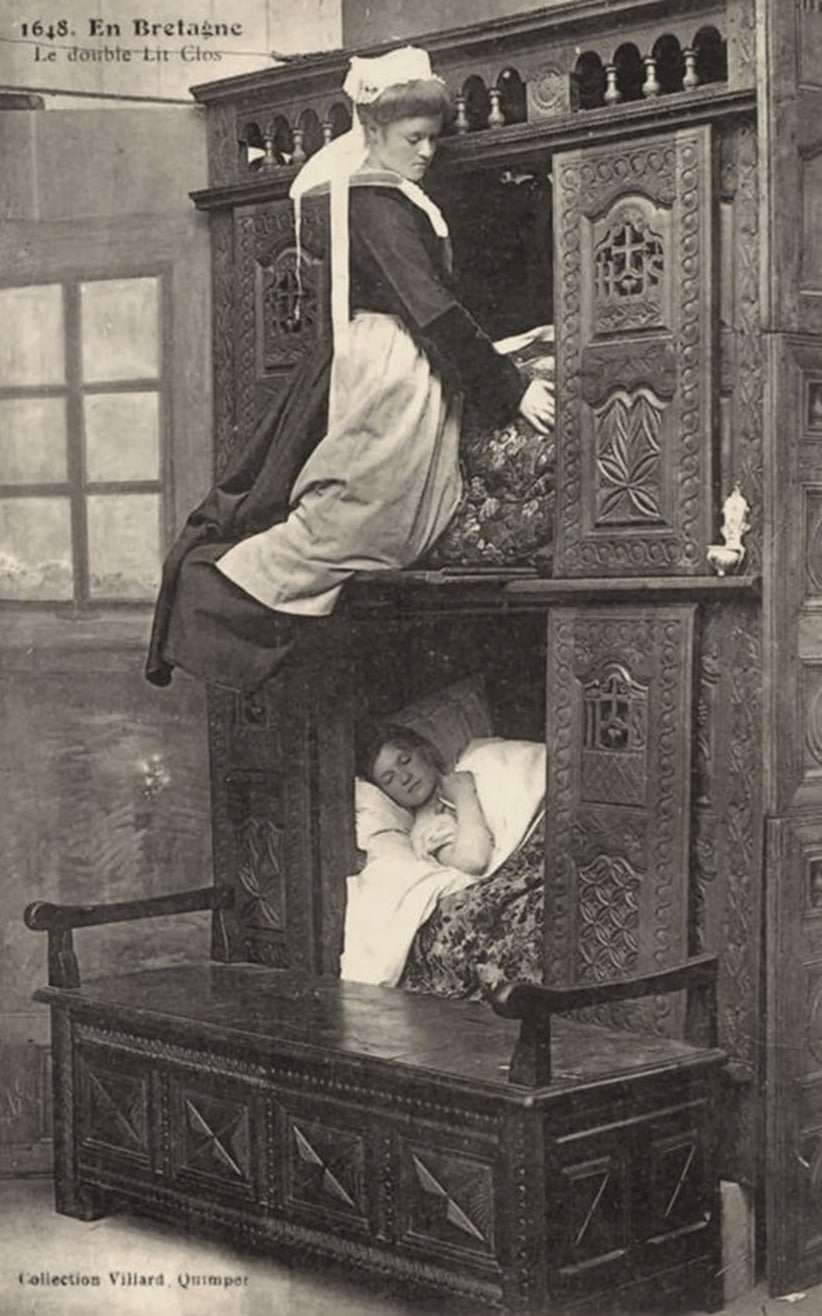
Occasionally, these cupboards housed multiple sleepers. It was normal for various family members—or even visitors such as seasonal laborers—to share the space under conditions that modern standards might find cramped.
Besides saving space, the cupboards granted an element of privacy. Many were outfitted with curtains or doors that could shield occupants, giving a sense of personal enclosure. With theft being a concern during those times, some cupboard beds were even lockable, providing basic protection for belongings.
The Decline of Bed Cupboards with Societal Progress
The popularity of sleeping in wooden cupboards receded with the introduction of advanced heating technology. The late 1800s and early 1900s saw wider adoption of central heating and better fireplaces, which warmed entire homes and eliminated the need for confined beds in chilly rooms.
As times changed, people preferred open and larger sleeping spaces over enclosed compartments, reflecting shifts in social norms toward comfort and better airflow during rest.
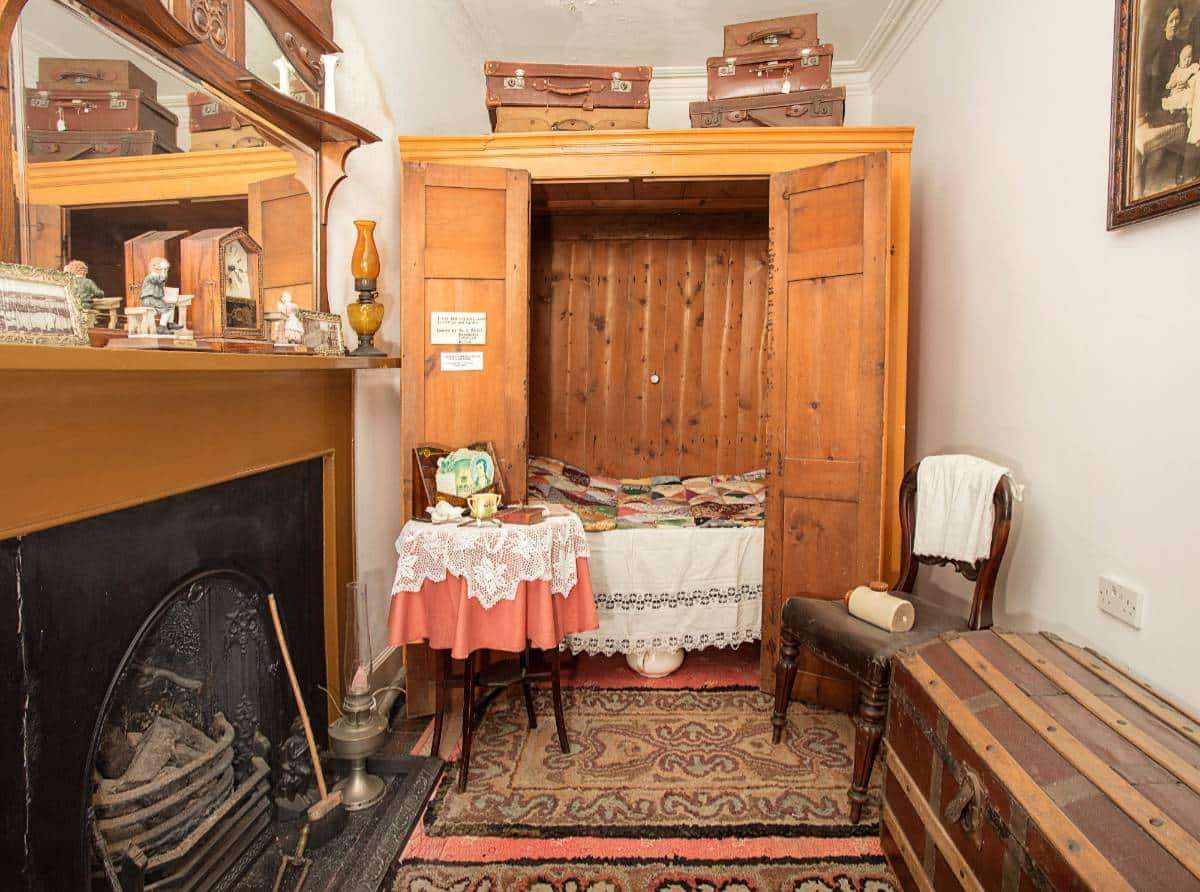
By the early twentieth century, with more spacious, insulated homes, bed cupboards lost their functional relevance. The growth of modern furniture trends alongside increasing expectations for cleanliness and private spaces caused these humble cupboards to fall out of favor.
Contemporary Takes on Space-Efficient Furniture
In today’s densely populated urban environments, where living spaces shrink and prices soar, furniture that saves room is just as valued as in the past. Remarkably, the fundamental concepts of medieval bed cupboards are resurfacing in new formats tailored for modern life.
Capsule hotels, for example, provide compact sleeping pods that combine privacy with minimalism in crowded cities. Similarly, transformative furniture—like fold-out beds and integrated storage units—has become popular among residents of tiny apartments.
Some current designs echo the ancient bed cupboard idea, merging the smart space-saving traits of the past with today’s expectations for comfort and aesthetics. Wooden sleeping alcoves inspired by box beds are now marketed for cottage-style residences, reflecting a renewed appreciation for simplicity and efficient design.
- Categories:
- News












0 comments
Sign in to Comment