
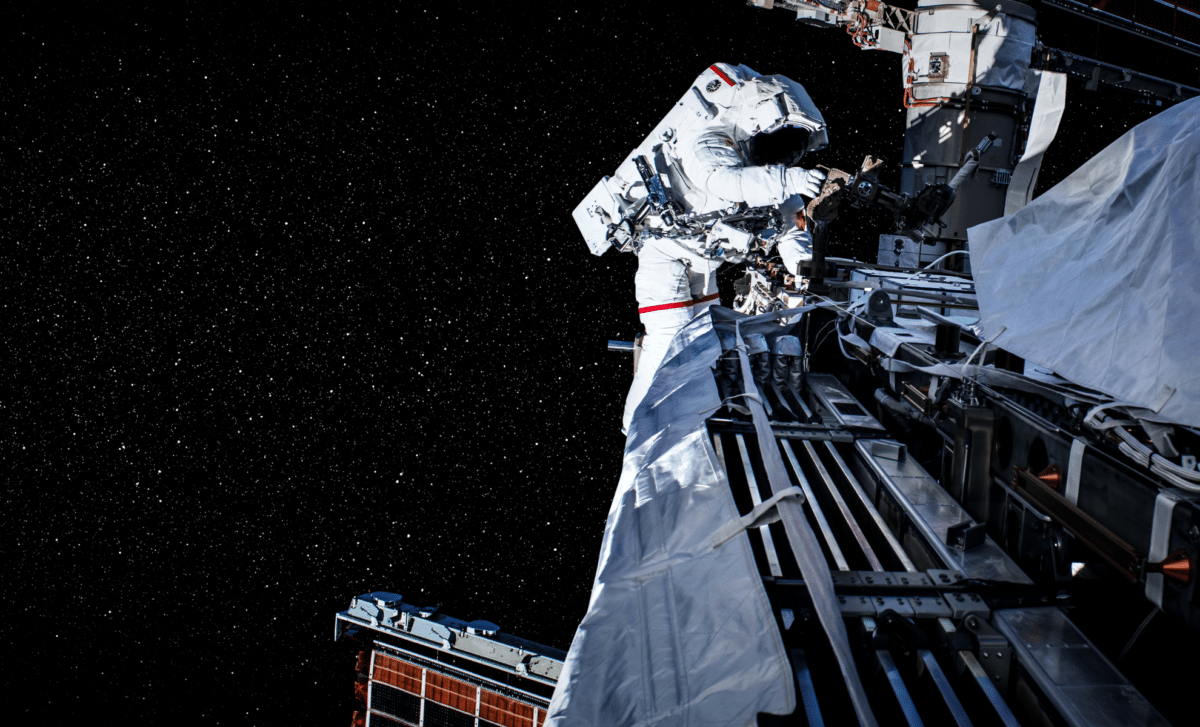
NASA has delayed a planned spacewalk initially set for January 8, 2026, at the International Space Station (ISS). The spacewalk, involving astronauts Mike Fincke and Zena Cardman, was intended to prepare the ISS for a critical solar array upgrade. However, a sudden medical concern involving one of the crew members led to the postponement. NASA representatives confirmed the crew member’s condition is stable, though they withheld additional details to respect medical privacy.
Significance of the Rescheduled Spacewalk for the ISS
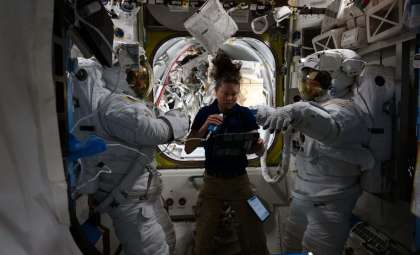
The mission slated for January 8 held great importance, marking astronaut Zena Cardman’s inaugural spacewalk and the 10th for veteran astronaut Mike Fincke. Successful completion would have allowed Fincke to match the record for the most spacewalks conducted by a NASA astronaut, a distinction shared by notable astronauts like Bob Behnken, Stephen Bowen, and Peggy Whitson. This spacewalk was tasked with readying a power channel in support of installing the International Space Station Roll-Out Solar Array (iROSA), a key upgrade aimed at boosting the station’s energy capacity—essential for sustaining the ISS and its eventual controlled deorbit. The planned spacewalk was expected to last about six and a half hours, aligning with typical durations for intricate extravehicular activities.
“NASA is postponing the Thursday, Jan. 8, spacewalk outside the International Space Station. The agency is monitoring a medical concern with a crew member that arose Wednesday afternoon aboard the orbital complex. Due to medical privacy, it is not appropriate for NASA to share more details about the crew member. The situation is stable. NASA will share additional details, including a new date for the upcoming spacewalk, later,” The agency said in a statement.
Add Cosmo Herald as a Preferred Source

Ensuring Astronaut Health: NASA’s Top Priority
While the agency has not revealed which astronaut is affected, NASA emphasized that the crew member’s health remains stable. The wellbeing of astronauts is paramount, and all crew members receive extensive training to manage medical emergencies in space. Still, the unforgiving conditions of spaceflight mean that any health-related issue must be addressed immediately and with utmost care. The delay in the spacewalk highlights NASA’s dedication to safeguarding its personnel while preserving mission safety. The agency is expected to announce a revised date once the astronaut’s medical situation is resolved.
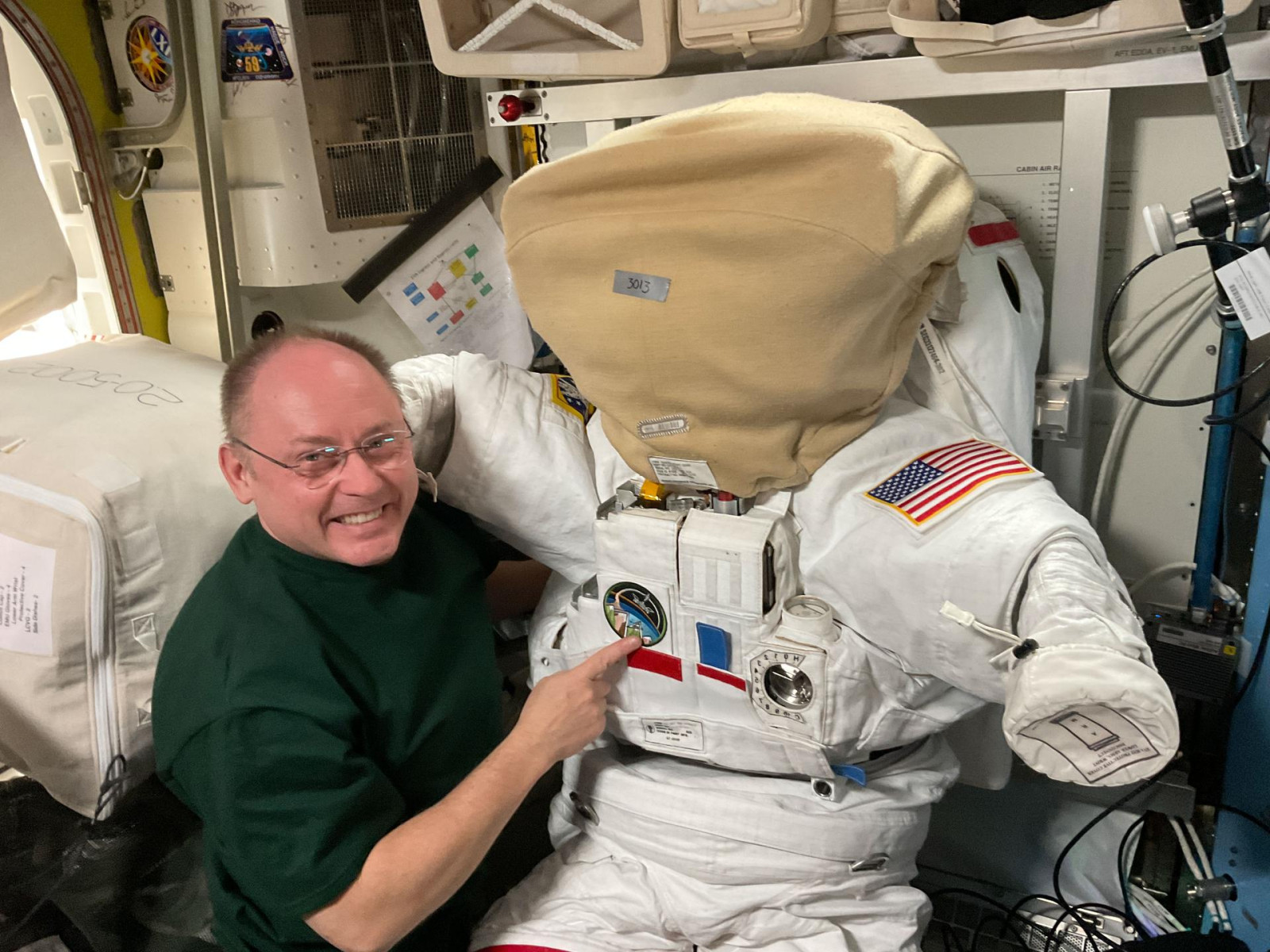
Flexibility and preparedness are essential in spaceflight due to unexpected events. NASA’s prompt response to this health issue underlines the critical nature of adaptability during missions. This postponement also illustrates the unpredictable challenges that space operations face, with even minor incidents impacting mission timelines significantly.
Understanding the Rigors of Spacewalks from an Astronaut’s Viewpoint
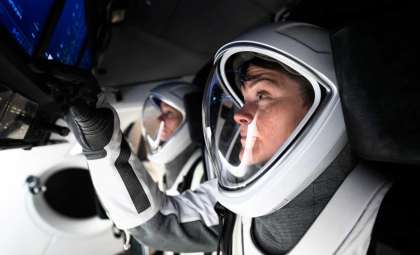
Conducting a spacewalk is among the most demanding activities astronauts face. The external environment of the ISS exposes astronauts to harsh conditions including severe temperature fluctuations, radiation hazards, and potential collisions with orbital debris. Astronauts undergo rigorous physical and mental conditioning to prepare for these stressful and intricate operations, which involve maneuvering outside the station to perform crucial repairs or installations.
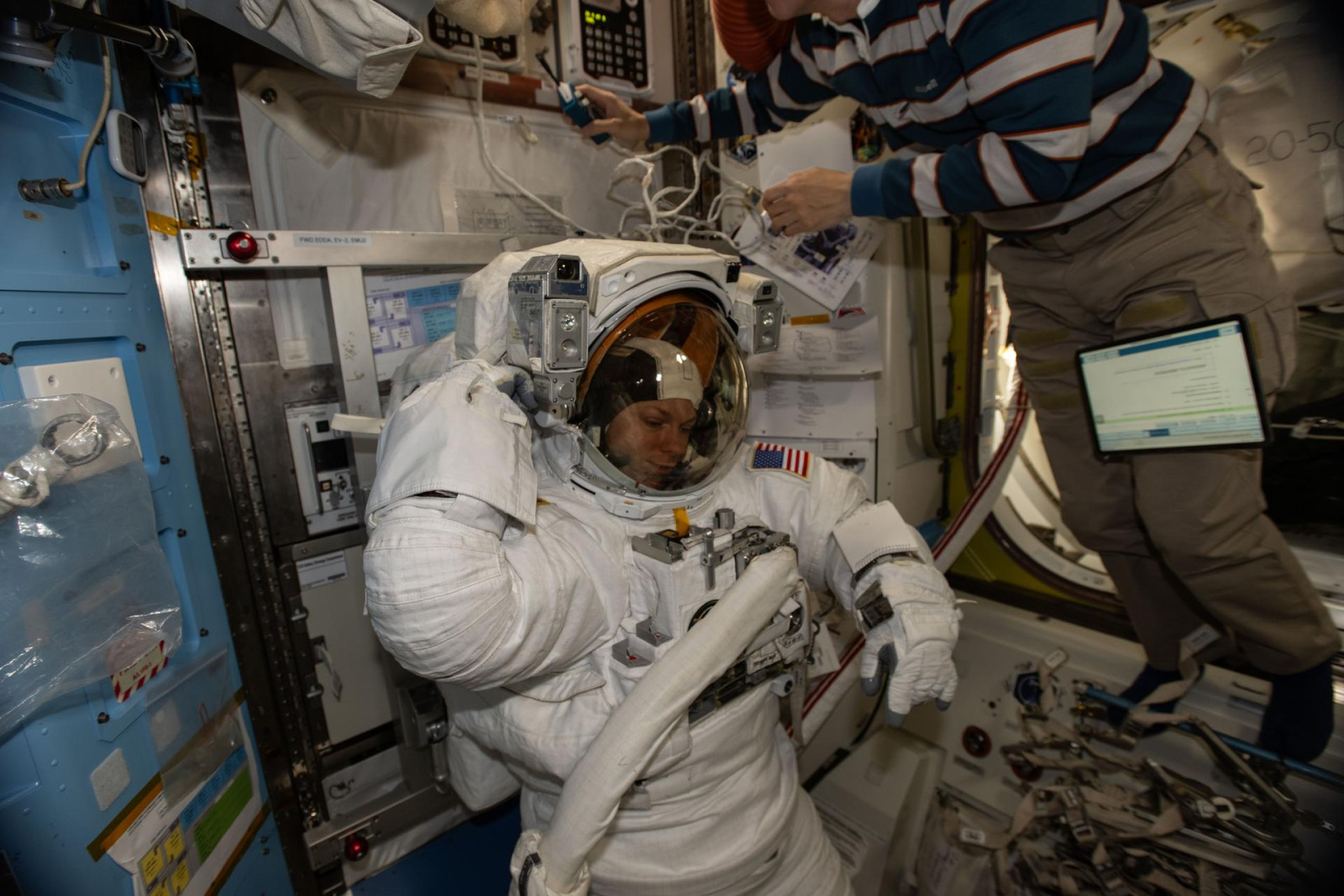
Mike Fincke, poised to match the NASA spacewalking record during this EVA, brings vast experience with numerous previous extravehicular activities. His expertise is critical, as spacewalks demand not only physical endurance but also sharp mental acuity and adaptive troubleshooting. Together with Zena Cardman, they would have ensured the ISS’s power systems remained operational and effective, a vital component of station longevity.
The preparation for integrating the new iROSA solar array involved intricate technical tasks requiring accuracy and seamless cooperation with mission control. The necessary postponement, prompted by health concerns, underscores the intricate and high-stakes nature of space missions, where safety and crew wellness must always come first.
- Categories:
- Space




0 comments
Sign in to Comment