
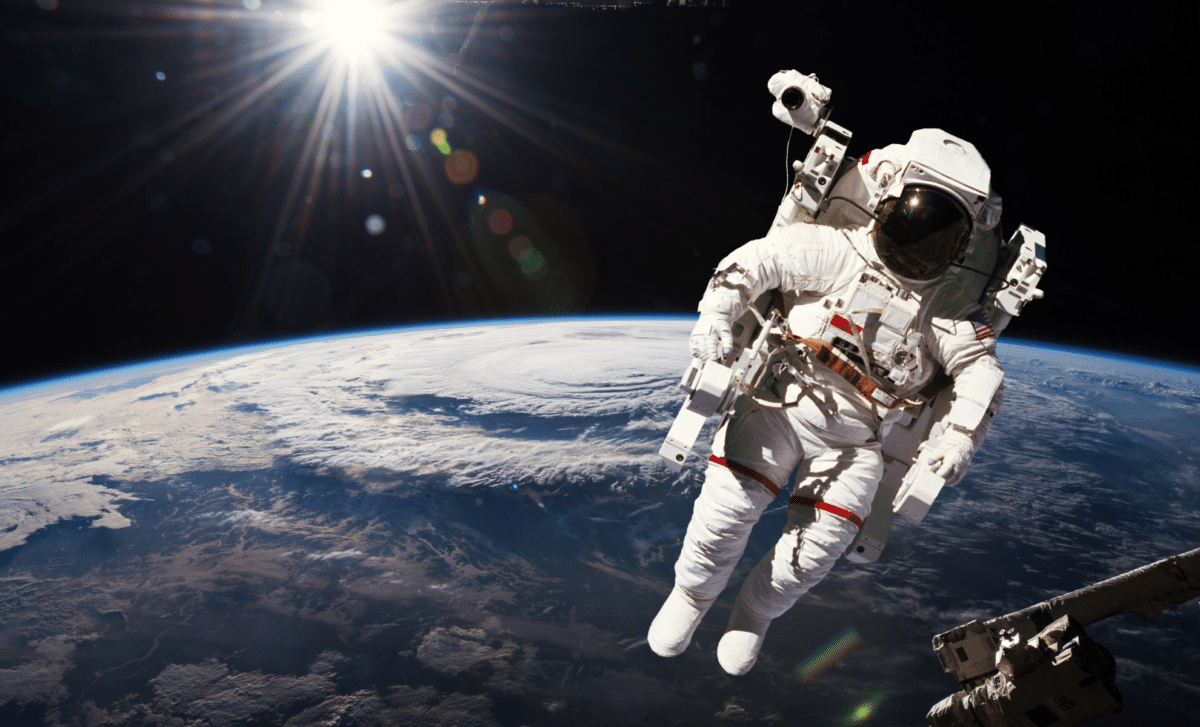
The crew of Expedition 74 is preparing to perform the inaugural spacewalk of 2026, a crucial mission aimed at upgrading the International Space Station’s (ISS) solar power capabilities. As announced by NASA on January 5th, astronauts will ready the station for the installation of new roll-out solar arrays, carrying out tasks both externally and inside the orbiting laboratory.
Fincke and Cardman Set to Lead 2026’s Initial Spacewalk
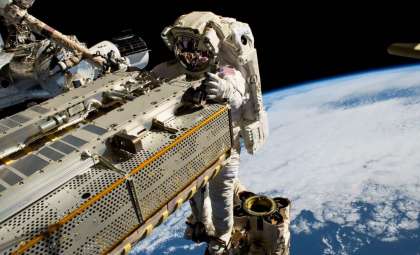
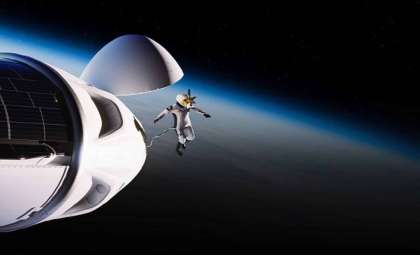
Experienced NASA astronaut Mike Fincke and specialist Zena Cardman are slated to exit the ISS via the Quest airlock at 8:00 a.m. EST on Thursday, January 11 for a spacewalk lasting approximately six and a half hours. According to NASA, their objectives include preparing the station’s port truss segment to host the upcoming roll-out solar arrays that will be delivered on a future cargo mission. This EVA involves managing critical power and data cables, fitting a modification kit, and installing jumper cables along the ISS exterior.
Beyond the equipment setup, Fincke and Cardman will perform bio-environmental sampling by swabbing the station’s external surfaces to collect microorganism samples. These samples will be analyzed back on Earth to better understand microbial survival in the extreme space environment. They will also capture detailed photographs of the station’s exterior hardware for maintenance and future mission planning. The spacewalk will be streamed live on NASA’s YouTube channel, providing viewers a unique real-time look at complex orbital station maintenance.

Internal Crew Supports and Coordinates Spacewalk Operations
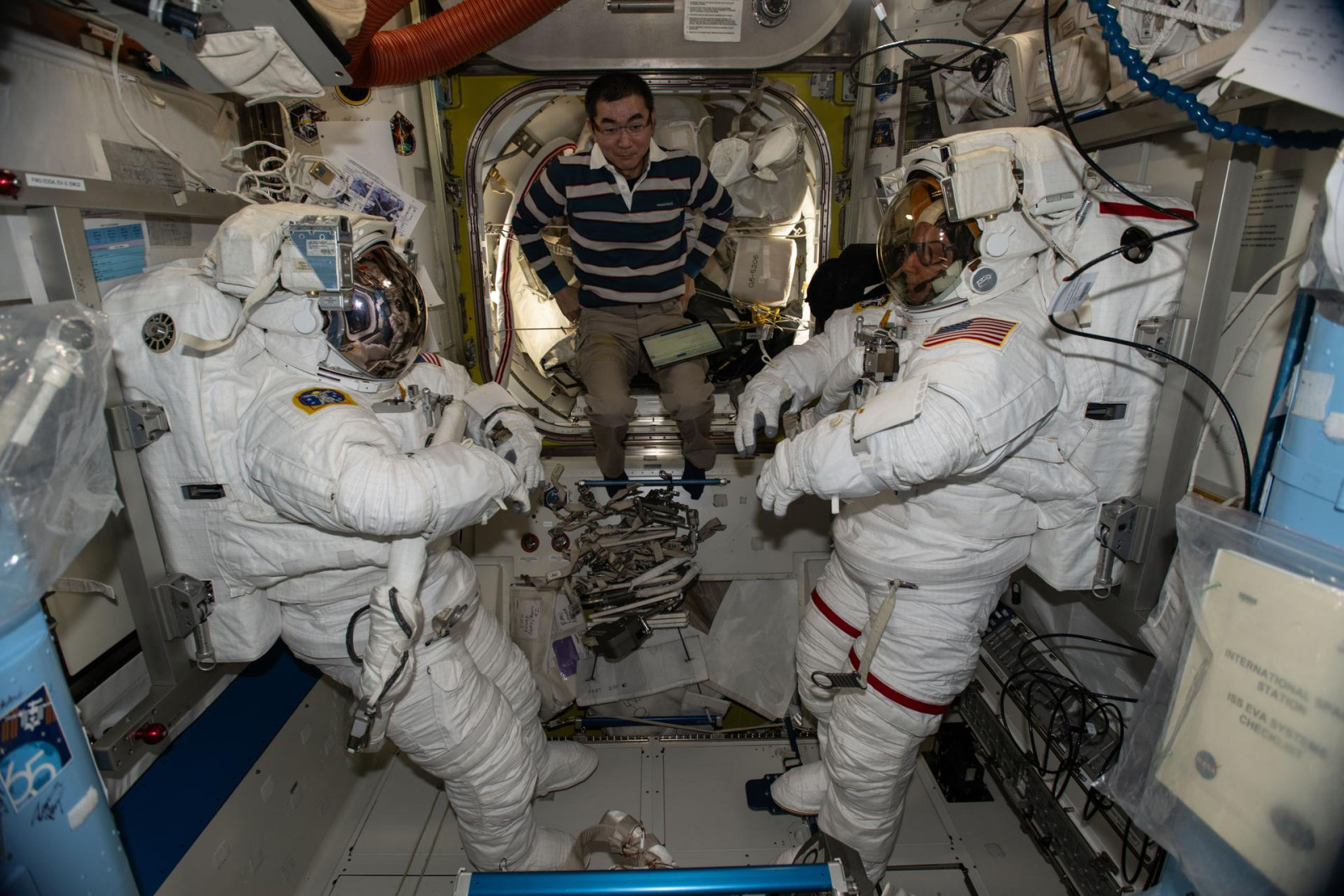
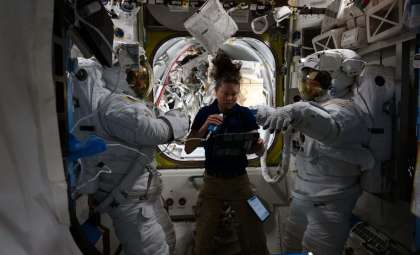
Inside the ISS, astronauts Chris Williams (NASA) and Kimiya Yui (JAXA) will support the EVA from within. Their duties encompass assisting spacewalkers with their suits, managing airlock depressurization and repressurization, and monitoring EVA safety systems. On January 5th, the four crewmembers conducted a thorough walkthrough of all spacewalk procedures, collaborating closely with mission control on Earth to rehearse every operation.
As part of safety measures, the crew inspected the EVA suits’ emergency propulsion units, called SAFER (Simplified Aid For EVA Rescue). These devices enable astronauts to navigate back to the station independently if untethered during the spacewalk, preparing for rare but hazardous scenarios. Williams and Yui will keep continuous contact with both the spacewalk team and flight directors on Earth throughout the activity.
Continued Scientific Endeavors Inside the Orbiting Lab
While the spacewalk captures attention, Expedition 74 continues advancing critical research aboard the ISS. On January 5, Yui and Williams installed protein crystallization samples into the Advanced Sample Experiment Processor-4. This experiment, part of the Pharmaceutical In-Space Laboratory, investigates protein crystal formation in microgravity, potentially transforming drug manufacturing in space. These activities, conducted in the Destiny module, also involved precise image documentation of the samples’ development.
Additionally, Yui managed payload transfers inside the SpaceX Dragon cargo vehicle slated for departure later this month. Meanwhile, Williams and Cardman organized hardware in the NanoRacks Bishop Airlock, preparing equipment for future deployment or return to Earth.
Russian Cosmonauts Focus on Pulmonary Health Studies
On the Russian side of the ISS, Roscosmos flight engineer Oleg Platonov began his day running a novel respiratory experiment. Wearing an acoustic sensor around his neck, he performed forced exhalation maneuvers to gather data on lung function in microgravity. This research aims to understand the effects of long-term weightlessness on respiratory health and to develop strategies for tackling related challenges on extended missions.
Later, cosmonauts Sergey Kud-Sverchkov and Sergei Mikaev took part in the same study, examining acoustic properties of the trachea and looking for early indicators of space-related respiratory issues. They also maintained life-support equipment in the Rassvet module and inventoried medical and video supplies. Mikaev contributed by searching for vital hardware inside the Zarya module, highlighting the ongoing multi-disciplinary life-support and scientific upkeep aboard the station.
- Categories:
- Space






0 comments
Sign in to Comment