
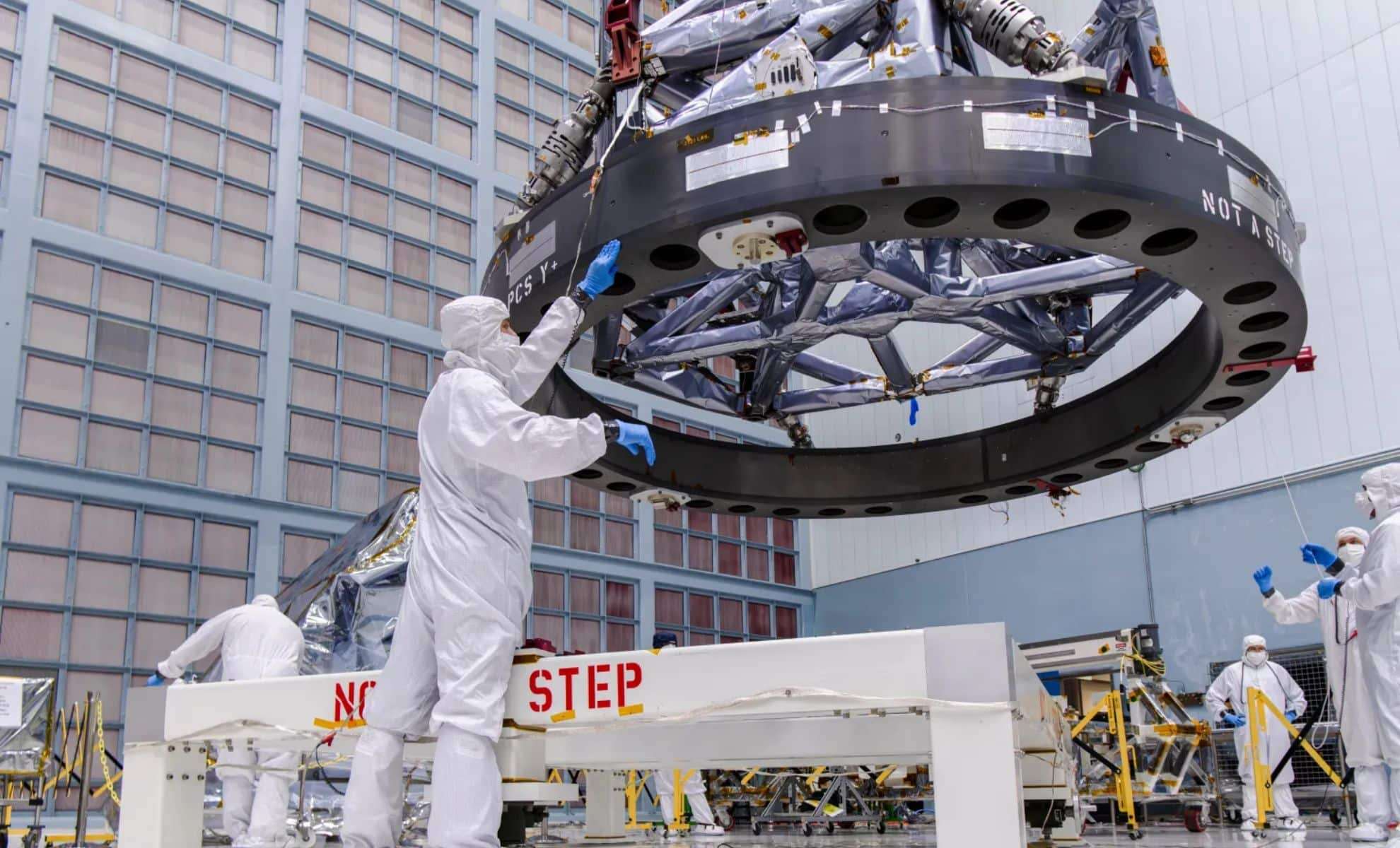
NASA has reached a significant achievement by installing its advanced coronagraph instrument onto the Nancy Grace Roman Space Telescope.
Scheduled for launch by 2027, the Roman Space Telescope is poised to revolutionize exoplanet research by capturing direct images of planets orbiting stars far beyond our solar system—an accomplishment made possible by this sophisticated coronagraph. The instrument was integrated at NASA’s Goddard Space Flight Center in Maryland, concluding extensive development and evaluation efforts carried out at the Jet Propulsion Laboratory (JPL) in California. This crucial step opens new opportunities for observing distant worlds and enhances NASA’s quest to identify potentially habitable planets.
Capabilities and Vision Behind the Roman Coronagraph
The Roman Coronagraph Instrument represents NASA’s most advanced coronagraph technology created to date. It is engineered to block out the intense light from host stars, enabling astronomers to photograph much dimmer orbiting exoplanets. Using precision-engineered masks and adaptive mirrors, it effectively eliminates star glare, revealing details about exoplanet atmospheres, composition, and their potential to support life. This breakthrough is expected to significantly advance exoplanet sciences. As Deputy Project Scientist for Communications Rob Zellem explained, “we need the Roman Coronagraph to demonstrate this technology” to move forward toward future missions targeting Earth-like exoplanets.

Functioning as a demonstration of new technology, the Roman coronagraph lays the foundation for upcoming observatories, including NASA’s proposed Habitable Worlds Observatory, which will seek biosignatures on distant planets. This instrument serves as a validation tool showing that direct imaging in space is achievable, providing critical experience to inform the design of future dedicated planet-finding telescopes.
Meticulous Integration of the Coronagraph Instrument
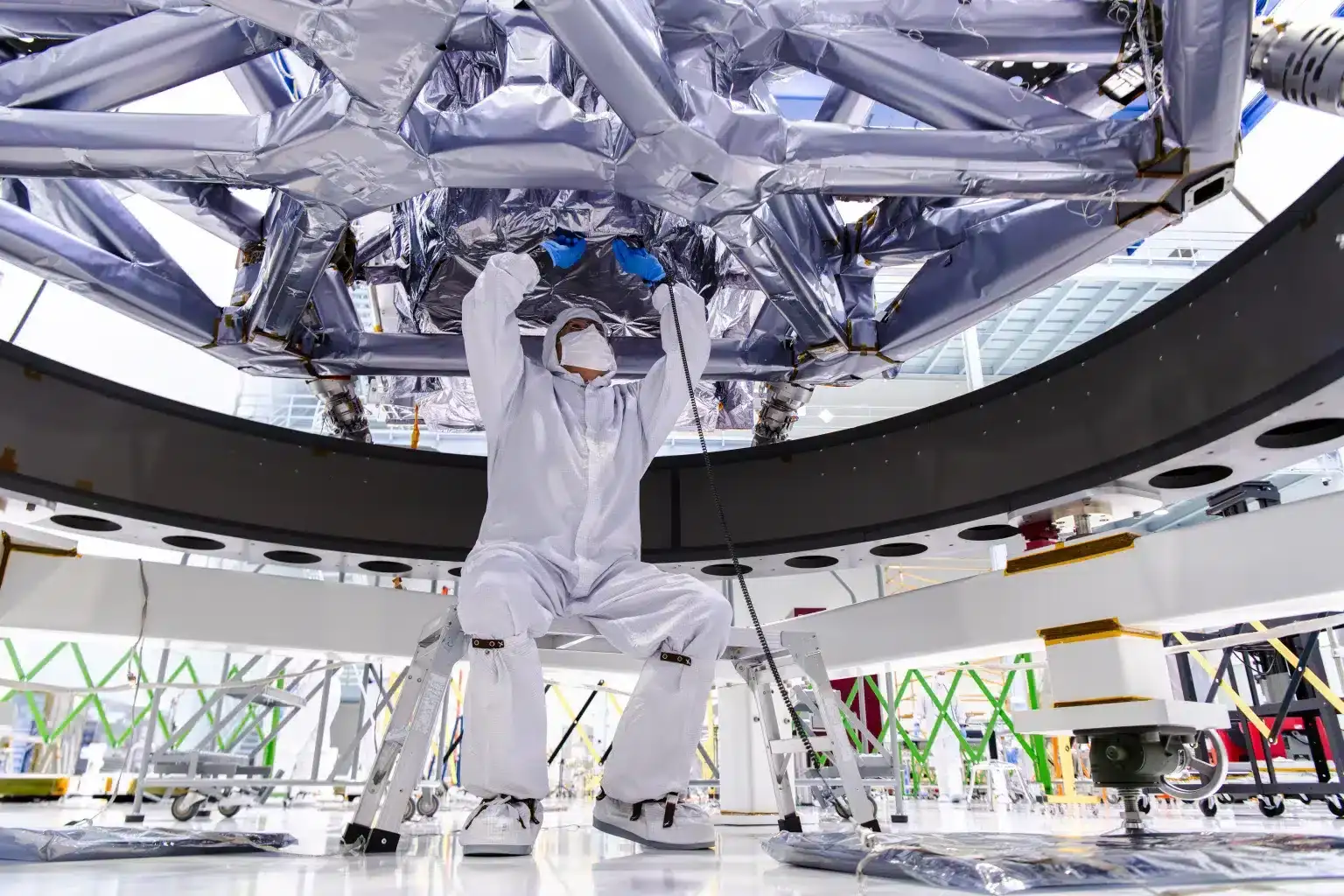
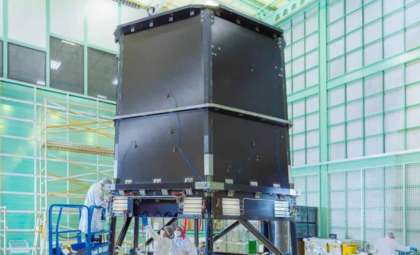
Fitting the coronagraph into the Instrument Carrier of the Roman Space Telescope involved precise adjustments and detailed preparation. Comparable to the size of a baby grand piano, the instrument was carefully lowered into place using a specialized Horizontal Integration Tool, allowing technicians to secure it accurately within the carrier. Layers of insulation were added to protect the device by controlling its temperature and shielding it from stray light interference during space operations.
NASA teams from Goddard and JPL hailed this achievement as a major success. Liz Daly, leading integration and testing at NASA Goddard, reflected on the effort, calling it “the result of a lot of teams, long hours, hard work, sweat, and tears.” Similarly, JPL’s integration lead Gasia Bedrosian noted that “we celebrated our success together.” This accomplishment underscores the coordination and dedication required to install such an intricate and vital instrument on a next-generation telescope.
A Global Partnership Driving the Mission Forward
The coronagraph's assembly is a testament to the collaborative spirit behind NASA’s Roman Telescope program, involving numerous agencies and international partners. The European Space Agency (ESA) and Japan Aerospace Exploration Agency (JAXA) have contributed key components and expertise, remaining engaged in mission preparations. Meanwhile, the Roman Science Support Center at Caltech/IPAC oversees coronagraph data management and operational support, while aerospace industry leaders such as BAE Systems and L3Harris Technologies provide essential instrumentation and technological systems.
With the coronagraph successfully incorporated, NASA will next integrate the Wide Field Instrument, the telescope’s primary scientific device. These combined tools will empower the Roman Space Telescope to tackle fundamental cosmic mysteries, from imaging exoplanets to exploring the nature of dark energy and mapping the universe’s vast structure.








0 comments
Sign in to Comment