

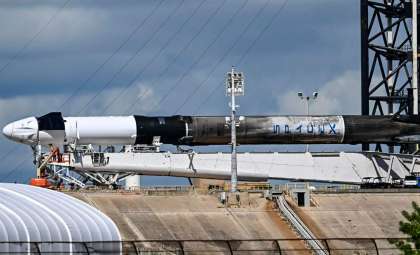
SpaceX’s Falcon 9 rocket has been granted approval to resume launches following a temporary FAA suspension triggered by a booster landing mishap.
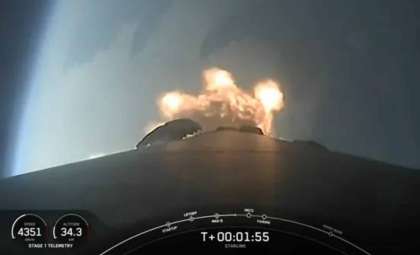
The FAA’s authorization to restart flights comes as investigations continue into the booster’s failure during an attempted landing on August 28, when part of the rocket’s first stage was destroyed.
Despite the setback, Falcon 9 maintains its status as the leading workhorse in space launch history, boasting an extensive record of mission successes. The rapid clearance exemplifies SpaceX’s operational capabilities and the FAA’s commitment to thorough regulatory evaluation.

FAA Allows Falcon 9 Operations to Continue During Probe
The FAA grounded the vehicle pending an inquiry into the landing failure. However, the agency clarified that Falcon 9 may fly while the investigation proceeds, so long as all licensing conditions are met. This decision is critical for SpaceX’s tight launch timetable, as postponements could disrupt key missions. The quick reinstatement signals strong confidence from both the FAA and SpaceX in the rocket’s safety protocols, even as detailed analysis of the incident progresses.
Upcoming Milestone Missions
SpaceX is gearing up for two major launches that showcase its pivotal role in both commercial space activities and governmental spaceflight. The first, Polaris Dawn, aims to transport private astronauts on a groundbreaking voyage, including the first-ever commercial spacewalk. Although initially postponed due to technical and weather conditions, this mission represents a significant leap in making space travel accessible to civilians. A successful mission would mark a milestone for SpaceX and the wider space tourism industry.
The second significant launch involves two NASA astronauts destined for the International Space Station (ISS) aboard the Crew-9 mission. This flight is essential for continuing NASA’s sustained presence on the ISS, ensuring crew rotations support ongoing research and station upkeep. Expected as soon as late September, Crew-9 also factors into the schedule for Boeing Starliner’s anticipated crewed test flight in 2025. Together, these missions emphasize SpaceX’s critical contributions to current and upcoming space exploration endeavors.
Setting Launch Cadence Records
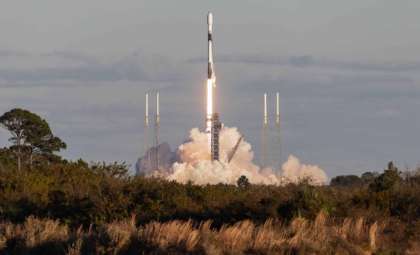
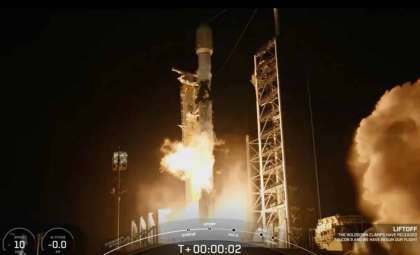
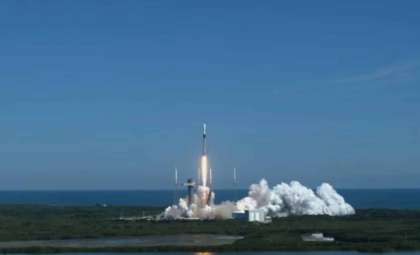
With clearance restored, SpaceX quickly achieved a new operational benchmark in launch frequency. On August 31, just days after FAA approval, Falcon 9 lifted off from Vandenberg Space Force Base carrying 21 Starlink internet satellites. This launch furthered the company’s goal of establishing a global satellite broadband network and showcased its unmatched ability to conduct rapid successive launches. The time between this mission and the previous one was just over one hour—setting a new record pace for SpaceX’s launch cadence and operational efficiency.
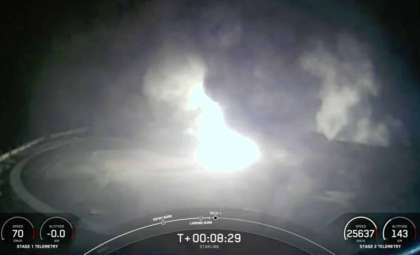
The Falcon 9 booster designated B1081, used in this flight, had completed eight missions prior, including SpaceX’s Crew-7 ISS mission and launches for climate-focused satellites (PACE and EarthCARE), as well as a classified national security payload. Despite the recent landing anomaly, it successfully executed its ninth landing aboard the droneship “Of Course I Still Love You” in the Pacific Ocean. This recovery marked the 99th touchdown on this droneship and the 342nd booster landing in SpaceX’s reusable rocket program, highlighting the industry-leading achievements in rocket refurbishment and reuse.
Continuing FAA Inquiries
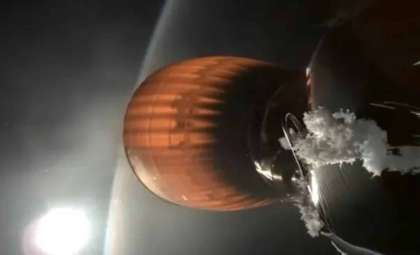
The FAA’s probe into the August 28 booster landing incident is part of a wider review of Falcon 9’s recent flight anomalies. A separate July event involved a failure in the rocket’s upper stage, causing an in-flight mission loss. This event, caused by an oxygen leak in the second stage, resulted in what SpaceX CEO Elon Musk termed an “RUD” (rapid unscheduled disassembly), the company’s phrase for an explosion. Nevertheless, Falcon 9’s long-standing reliability remains strong, backed by hundreds of successful flights. The FAA’s ongoing assessments are vital to identifying and resolving safety concerns, ensuring Falcon 9 continues to meet the high standards expected for space launch vehicles.






0 comments
Sign in to Comment