
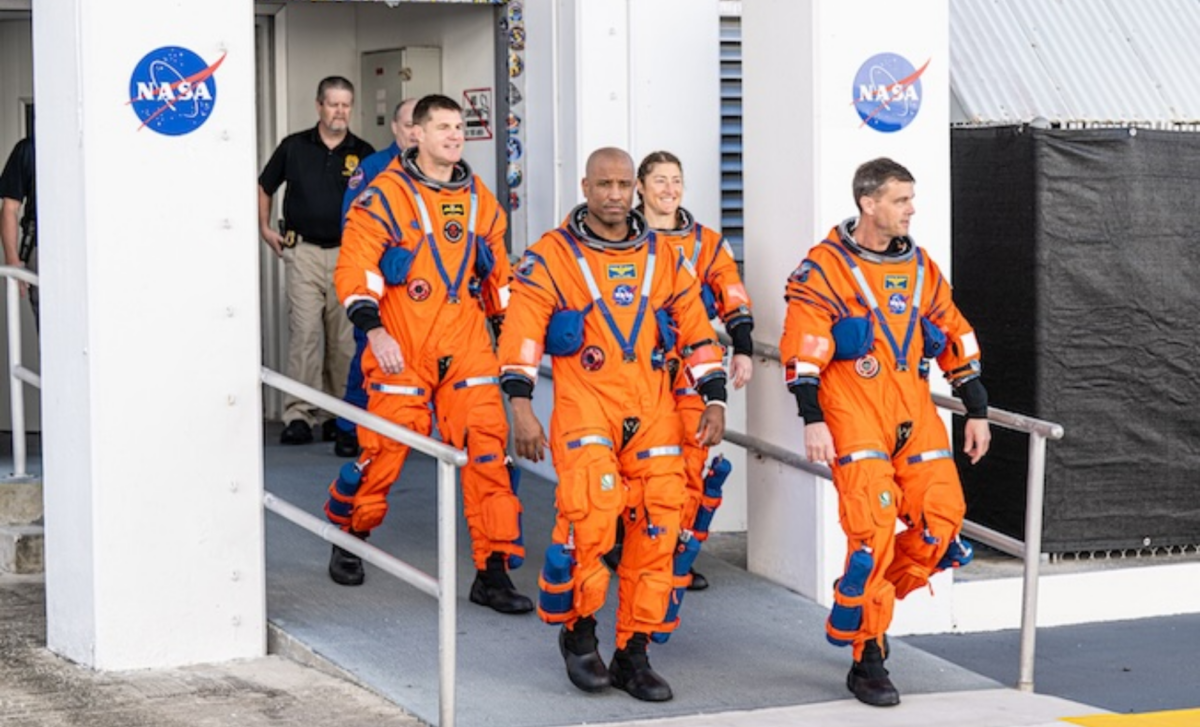
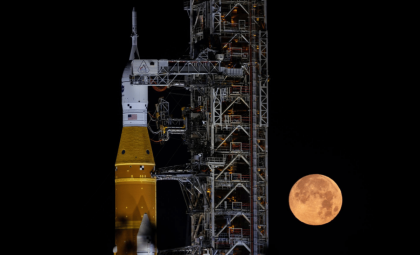
NASA’s upcoming Artemis 2 flight, scheduled for April 2026, marks a pivotal return to human lunar exploration but carries unavoidable hazards. As the first crewed voyage in the Artemis series, it will send astronauts on a bold 10-day mission circling the moon. Despite the excitement, the agency remains deliberately vague about the potential dangers involved, leaving safety concerns a matter of speculation.
NASA’s Reserved Stance on Artemis 2’s Risk Evaluation
The mission, which will carry a crew of four astronauts around the moon, represents a major leap in space missions. However, NASA has been notably reticent in sharing detailed risk estimates. During a recent discussion, key officials such as John Honeycutt, chair of the Artemis 2 mission management team, and Lori Glaze, acting associate administrator for the Exploration Systems Development Mission Directorate, expressed caution about assigning precise odds of mission failure.
The main reason for NASA’s reluctance stems from insufficient empirical data to determine exact risk levels. Glaze and Honeycutt commented,

“That basically means we’re probably not 1 in 50 on the mission going exactly like we want to, but we’re probably not 1 in 2 like we were on the first flight.”
This analogy to the Space Launch System's initial Artemis 1 mission reveals that while risks have decreased compared to the debut launch, they remain notable.
When probed further, Honeycutt elaborated,
“That’s what I would tell you. I think we’re being really careful not to really lay probabilistic numbers on the table for this mission, just given the small amount of data.”
His statement illustrates the difficulties in forecasting the mission’s chances given the unpredictable nature of deep-space travel and limited prior flights.
Contextualizing Artemis 2 Within NASA’s Legacy
The evaluation of risks for Artemis 2 is deeply connected to lessons from earlier manned space programs, such as Apollo and the Space Shuttle. As reported by Space.com, crewed space expeditions have historically involved delicate calculations of safety risks. NASA’s Office of Inspector General (OIG) recently estimated that Artemis missions destined for lunar landing carry about a 1 in 30 chance of failure, with a 1 in 40 risk while conducting lunar surface activities.
These odds position Artemis 2’s dangers as substantially lower than those faced during the Apollo era, which had approximately a 1 in 10 risk of fatal outcomes for crews. The OIG report also draws spotlight on early Space Shuttle operations, which initially underestimated risks; they believed crew loss odds were 1 in 100 but later deduced actual dangers were closer to 1 in 10. Understanding this history sheds light on current risk perceptions for Artemis 2 and prompts reflection on NASA’s risk-management evolution.
Complexities of Predicting Hazards in Lunar Missions
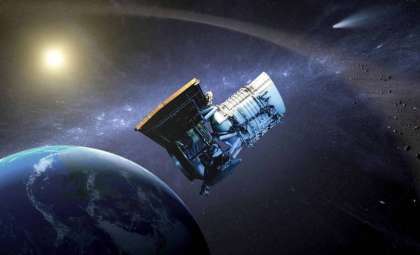
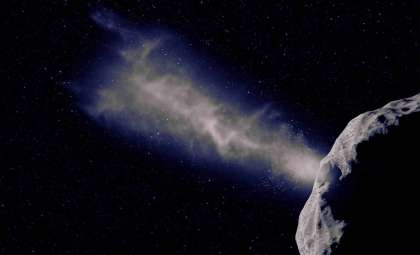
One major challenge in gauging Artemis 2’s risk lies in the unpredictable threats from the space environment. NASA has highlighted micrometeoroids and orbital debris (MMOD) as a critical concern. These high-velocity particles orbiting Earth and the Moon threaten spacecraft integrity and astronaut safety. Yet, Honeycutt admitted that grasping the full scope of MMOD hazards remains elusive:
“We have pursued loss of mission, loss of crew-type number assessments, but I’m not sure we understand what they mean.”
Regarding MMOD, Honeycutt emphasized the complexity: “It’s real, right? But when have the last two bad events occurred? Going uphill, in that highly energetic event.” He was likely referencing the tragic Challenger and Columbia disasters, which claimed the lives of 14 astronauts during shuttle missions. These incidents underscore the persistent dangers inherent in human spaceflight.
Despite these obstacles, Honeycutt reinforced that Artemis 2 has been meticulously planned to reduce risk as much as possible. However, he also pointed out that some threats, like MMOD, might be underestimated until they actually occur. His comments highlight the nuanced reality of crewed lunar missions where constant vigilance and preparedness are essential.
- Categories:
- News







0 comments
Sign in to Comment