
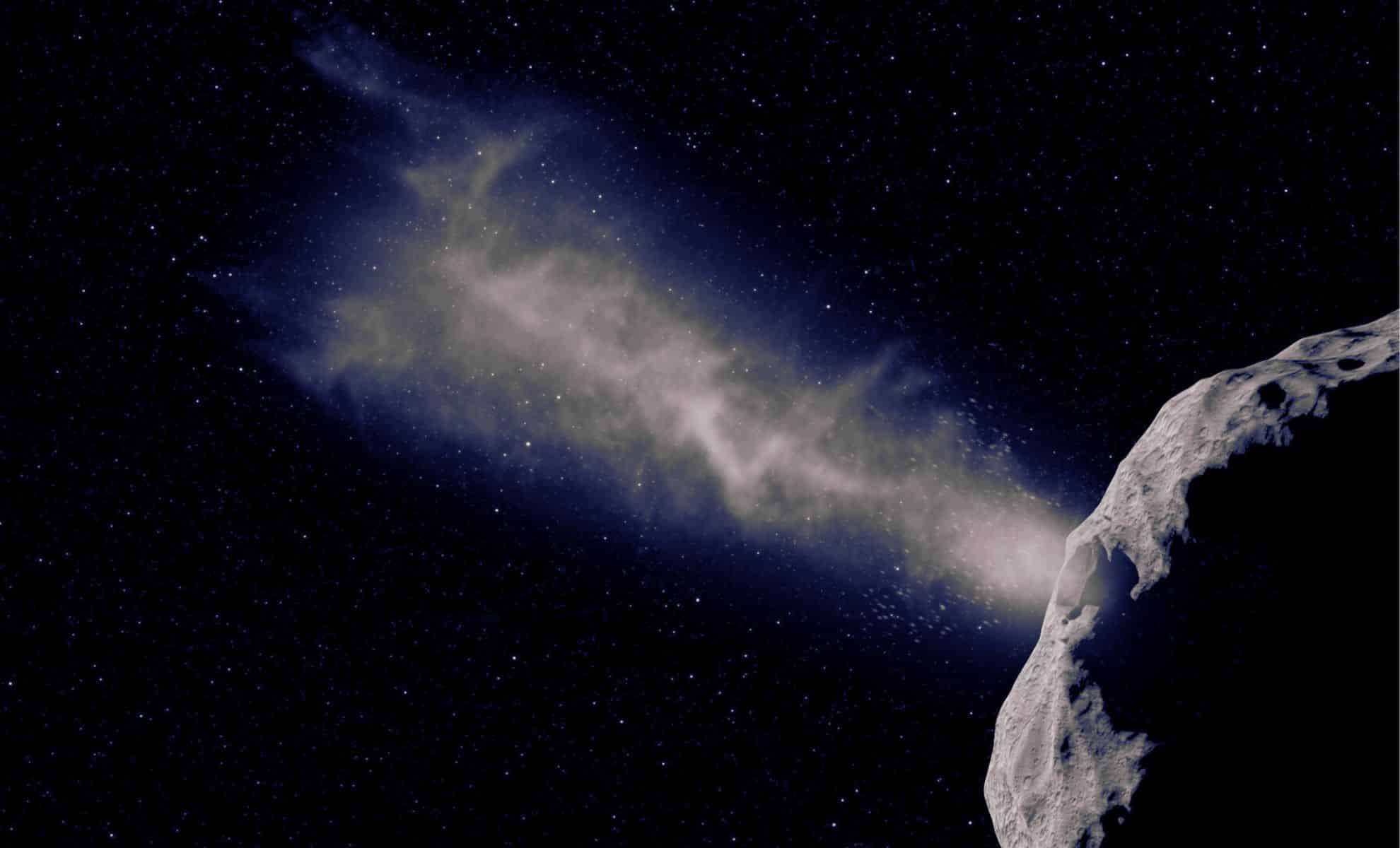
Asteroids speeding through our solar system pose a genuine hazard, far beyond science fiction fears. Although Earth has a long history of avoiding major collisions, close encounters continue to remind us of the persistent danger.
Remember the Chelyabinsk event of 2013? That sudden asteroid entry into our atmosphere highlighted that our planet remains vulnerable to these wandering space rocks.
To confront this threat, NASA launched the Double Asteroid Redirection Test (DART) in 2022. This pioneering mission targeted the binary asteroid system Didymos, specifically its small companion, Dimorphos. The goal was to crash a spacecraft into Dimorphos and test if its orbit could be altered. What followed was astonishing.

DART Impact Reshapes Our Understanding of Asteroids
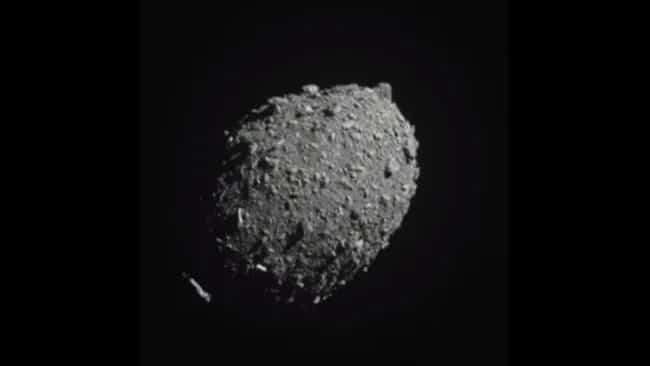
Instead of simply nudging Dimorphos, DART collided with enough force to significantly deform its structure. Before impact, the asteroid had a relatively rounded shape and stable rotation.
Post-collision, the asteroid stretched unevenly along one axis, dramatically changing its shape. This not only distorted Dimorphos but threw off its spinning motion, disrupting established scientific models.
Scientists expected some alterations, but the extent was surprising. Derek Richardson, a mission lead, explained the impact caused Dimorphos to move from a steady spin into an erratic tumble. What was a smooth orbital dance with Didymos now became a chaotic wobble.
This unexpected instability raises new questions about asteroid composition and long-term behavior after such impacts. If a relatively small object like Dimorphos can be destabilized so drastically, it warns us about the unpredictability surrounding larger potentially hazardous asteroids.
Rising Challenges for Planetary Defense
The success of the DART mission also sparks difficult issues. Researchers now wonder if Dimorphos can host future scientific instruments safely, or if its altered state poses too high a risk. They also question the lifespan and impact of the debris field generated, and what hazards it might cause.
Ultimately, DART has underscored the gravity of asteroid threats and the urgency to develop improved planetary defense tactics.
The European Space Agency plans a follow-up mission to Didymos set for 2024, emphasizing the critical race against time to enhance our cosmic safety measures.











0 comments
Sign in to Comment