
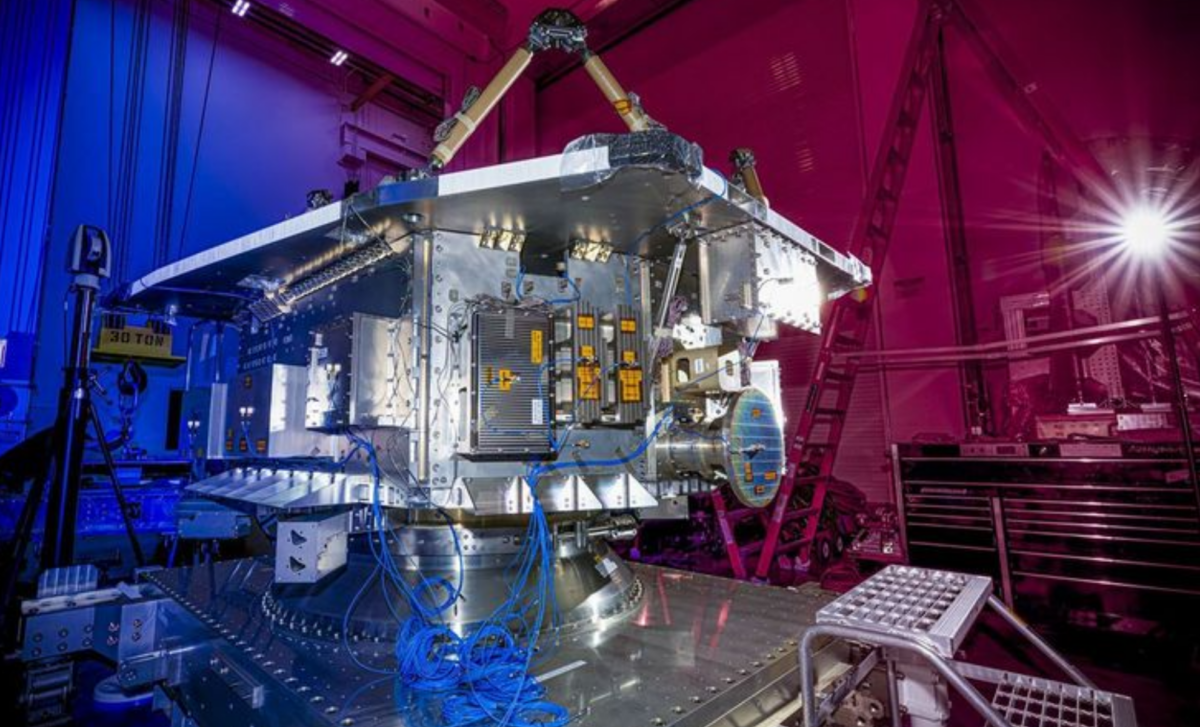
NASA is advancing its efforts to protect Earth by launching the NEO Surveyor mission in 2027. This pioneering infrared space telescope will be the agency's first dedicated instrument focused on spotting asteroids and comets that could pose a threat. By scanning the solar system for these often hidden space objects, NEO Surveyor aims to detect possible dangers early, enhancing our chances to act in time.
Why Enhanced Asteroid Detection is Essential
Improving the identification of near-Earth objects is more crucial than ever. Although terrestrial telescopes have significantly contributed to discovering space objects, numerous NEOs remain elusive due to their small sizes, low reflectivity, or unfavorable positions. According to Jim Fanson, project manager at NASA’s Jet Propulsion Laboratory (JPL),
“Our focus is on deploying a robust observatory to the Sun-Earth L1 point, where it will conduct a continuous, multi-year infrared survey. By identifying objects that ground telescopes can miss, this mission will provide the critical data we need to safeguard our planet for years to come.”
Add Cosmo Herald as a Preferred Source

The key advantage of placing the telescope at the Sun-Earth Lagrange Point 1 (L1) lies in its gravitational stability, allowing the spacecraft to maintain a fixed position between Earth and the Sun. This vantage point enables broad, uninterrupted sky mapping without being hindered by Earth’s shadow or solar glare.
Unlike traditional visible-light telescopes, the NEO Surveyor will detect heat signatures emitted as asteroids and comets absorb sunlight, making it particularly effective at uncovering dark objects often missed by optical systems.
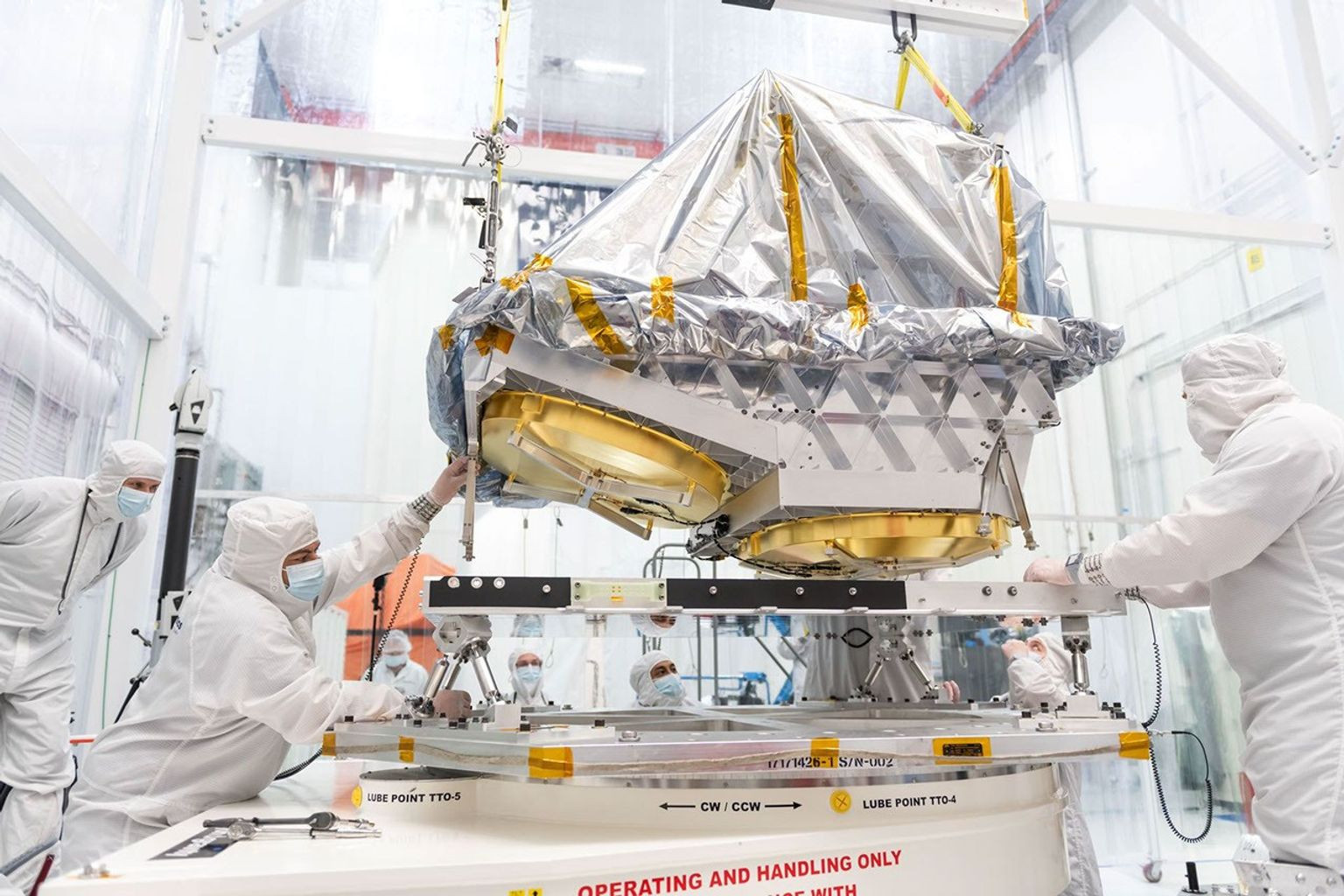
Inside the NEO Surveyor: Cutting-Edge Instruments
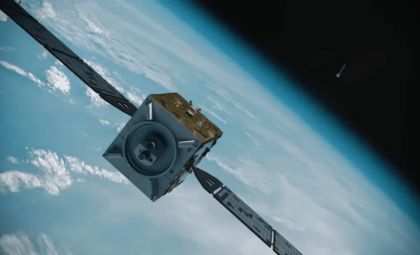
The spacecraft will be equipped with advanced technology including a 16-megapixel imaging system featuring two infrared detector arrays. Together, these arrays will capture images across dual infrared bands, enabling researchers to determine an asteroid’s dimensions and thermal characteristics. Amy Mainzer, mission lead at the University of California, Los Angeles (UCLA), shared, “We are focused on refining a survey approach to maximize detection of elusive asteroids and any incoming comets.”
Supporting the telescope is a 20-foot sunshade—the spacecraft’s largest structural element—designed to block sunlight and allow observation nearer to the Sun than ever before, where many hazardous objects reside. Solar panels integrated into the sunshade will generate the power necessary to sustain the spacecraft’s functions throughout its mission.
Enhancing Planetary Defense with Crucial Data
Data collected by the NEO Surveyor will be sent back to Earth via NASA’s Deep Space Network, then processed at Caltech’s IPAC-based NEO Surveyor Survey Data Center. Scientists will analyze the infrared images to update catalogs of near-Earth objects, forwarding this information to the Minor Planet Center, the global repository for tracking space objects. This information is vital for agencies like NASA’s Center for Near-Earth Object Studies (CNEOS), which evaluates potential impact hazards.
The real-time tracking and characterization of detected NEOs will improve risk assessment and enable planetary defense teams to develop timely mitigation plans if threats are identified.
- Categories:
- Space



0 comments
Sign in to Comment