
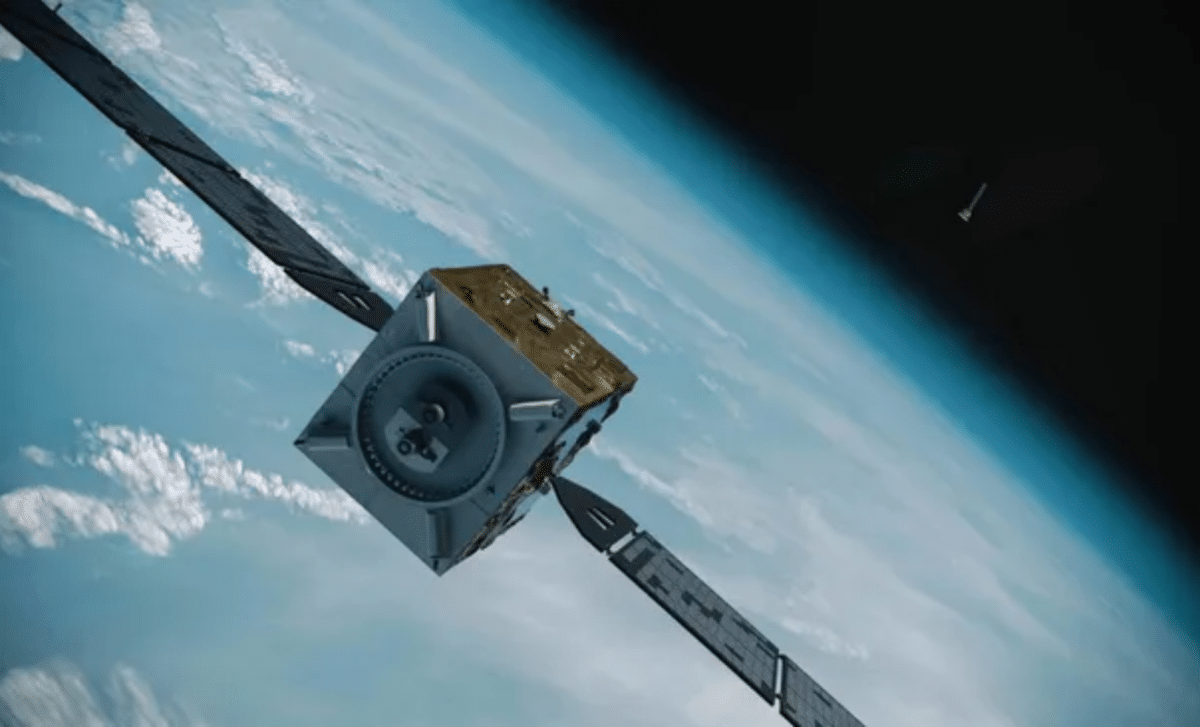
Astroscale Japan is revolutionizing satellite servicing with its forthcoming ISSA-J1 mission, set to perform unprecedented inspections of multiple inactive satellites residing in separate orbits. This initiative promises vital new data on satellite conditions that ground-based observations cannot provide, marking a pivotal advancement in space sustainability and on-orbit maintenance technology.
ISSA-J1 Mission: Goals and Target Satellites
Established as a pioneer in sustainable space operations, Astroscale Japan has announced the ISSA-J1 mission, which will target two out-of-service Japanese satellites that still orbit Earth. Planned for launch in 2027, the mission will focus on the Advanced Land Observing Satellite (ALOS) and Advanced Earth Observing Satellite-II (ADEOS-II), both of which ceased their functions years ago but remain in space.
Launched in 2006, ALOS became nonoperational in 2011 but continues circling Earth at around 429 miles (691 kilometers) altitude. ADEOS-II, launched in 2002, stopped working after just one year due to a solar panel malfunction and orbits higher, at approximately 500 miles (806 kilometers). Despite their inactive status, these satellites present a unique opportunity for sophisticated on-orbit examination.

The ISSA-J1 spacecraft will pioneer direct encounters with these inactive satellites, performing detailed investigations rather than relying solely on remote tracking. This mission intends to deliver vital diagnostic information to satellite operators, enabling insights unattainable from Earth.
【本日公開】
ISSA-J1のConOps動画が公開しました。
「宇宙の安全パトロール」の全貌がご覧いただけます。
ぜひチェックよろしくお願いします🛰️🌏🛰️🛰️💫
軌道上で“近づいて確かめる”時代へhttps://t.co/5cj9HXm8QO#宇宙の安全パトロール #ISSAJ1 #アストロスケール pic.twitter.com/ziUwL4FYdC— 【公式】Astroscale Japan | アストロスケールジャパン (@astroscale_JP) April 6, 2026
The Revolution of Inspecting Satellites in Orbit
Nobu Okada, managing director of Astroscale Japan, highlighted the critical value of on-orbit evaluations: “On-orbit inspection provides essential understanding of satellite status that ground monitoring alone cannot achieve.” Many satellites become untraceable once they lose power or experience malfunctions. Astroscale’s inspections will offer precise diagnostics unmatched by traditional approaches.
Real-time close-up inspections by approaching satellites in space could transform satellite servicing, debris clearance, and recovery efforts. By assessing the physical state of aging satellites, operators can improve repair methods or plan recycling procedures for these orbital assets.
Astroscale’s plan pushes current satellite servicing boundaries further than before.
“By inspecting multiple objects in different orbits in a single mission, ISSA-J1 will help demonstrate new capabilities that support satellite operators in understanding spacecraft condition and preparing for future servicing,” the company said in a statement.
This comprehensive method could set the stage for routine servicing or safe disposal of defunct satellites, reducing the growing risk posed by space debris.
Advanced Technologies and Their Impact on Future Space Operations
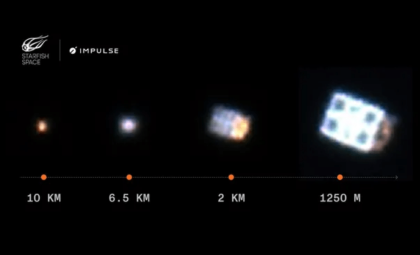
ISSA-J1 will harness innovative technology to approach, examine, and depart from satellites across varying orbits. This involves complex maneuvers, switching between orbital paths to perform multiple inspections. Astroscale explained, “ISSA‑J1 will showcase the ability to sequentially approach, inspect, leave, and transition between multiple client satellites in different orbits during a single mission.”
This milestone signifies a major step forward in space awareness and operational agility. Satellite operators have long struggled with ineffective asset management after malfunction or power loss. ISSA-J1 aims to demonstrate that multi-orbit active servicing and inspection are achievable and efficient.
The potential impact on future missions is substantial. Successfully demonstrating these on-orbit operations opens possibilities for refueling, repairing, or safely de-orbiting satellites, helping to prevent further buildup of hazardous debris in Earth's orbit.
Driving Forward Sustainable Space Practices
The Japan Ministry of Education, Culture, Sports, Science and Technology has backed Astroscale Japan’s mission, recognizing the necessity of sustainable activities in space. ISSA-J1 is integral to Japan’s broader initiatives to enhance space situational awareness and develop robust in-orbit servicing technologies—crucial as the number of operational satellites continues to grow globally.
Should Astroscale succeed, it is expected to encourage international and commercial players to adopt similar approaches, ushering in a new era emphasizing the longevity and serviceability of space assets.
- Categories:
- Space





0 comments
Sign in to Comment