
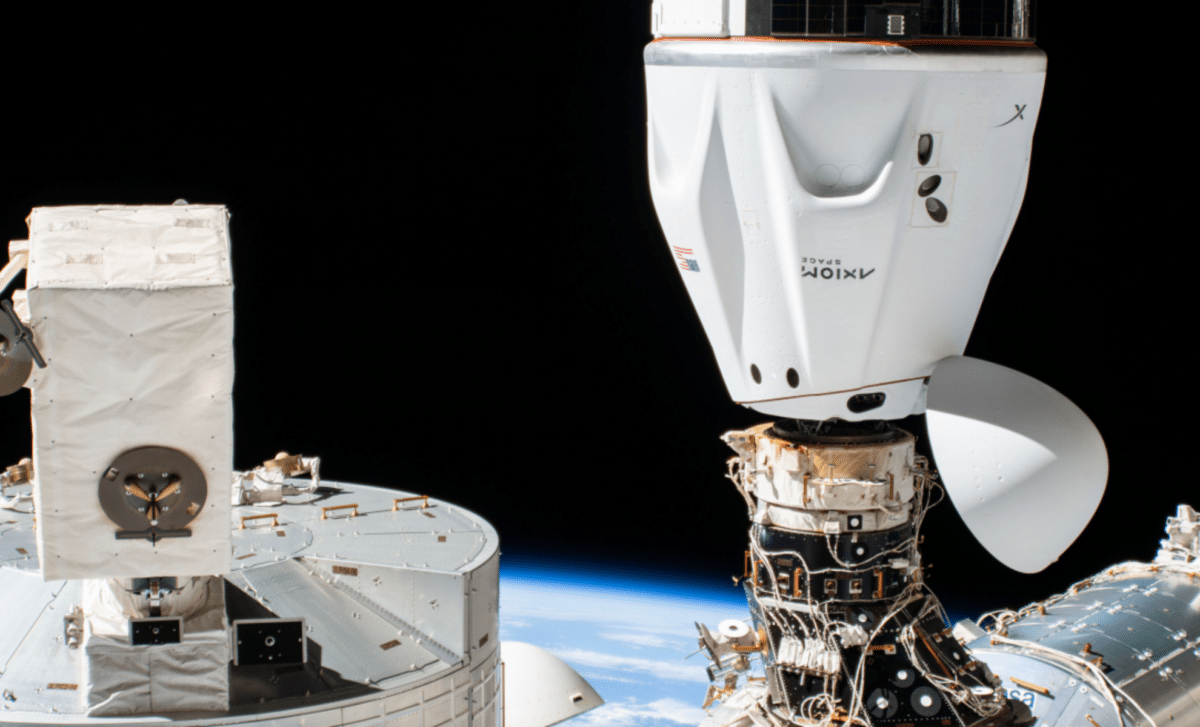
NASA revealed in early 2026 its plans to launch consecutive Private Astronaut Missions (PAM) with Vast Space and Axiom Space, marking a significant milestone in the expansion of commercial space ventures. These missions, slated for 2027, are integral to NASA’s wider initiative aimed at nurturing commercial space stations in low-Earth orbit, positioning firms like Axiom and Vast at the forefront of this evolving sector. This move highlights NASA’s ongoing dedication to weaving private aerospace firms into the fabric of future space exploration.
Pioneering Private Astronaut Missions to Boost Space Commerce
The collaboration between NASA and private aerospace leaders Vast Space and Axiom Space ushers in a fresh chapter in creating commercial space habitats. By granting these entities PAMs, NASA actively promotes the role of private companies in advancing space exploration. This partnership underscores NASA’s strategic transition from operating solely government-controlled missions to empowering commercial entities. The 2027 missions are expected to influence the growth of space tourism and scientific study significantly.
Jared Isaacman, NASA’s administrator, noted,

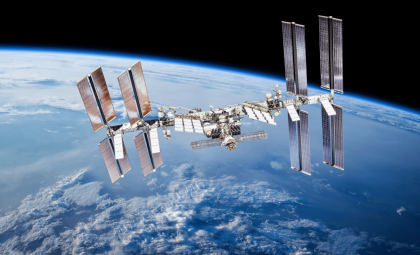
“Private astronaut missions represent more than access to the International Space Station — they create opportunities for new ideas, companies, and capabilities.”
Both Vast and Axiom Space will not only ferry astronauts to the ISS but are also advancing their own commercial orbital stations. Their efforts are critical to NASA’s overarching plan to transition from the ISS to privately operated platforms, ensuring humanity maintains a permanent foothold in low-Earth orbit.
.@NASA has selected @Vast for its sixth private astronaut mission to the International Space Station, advancing commercial opportunities in space. More… https://t.co/LMcgrzJcg5 pic.twitter.com/boyiL1N7kO
— International Space Station (@Space_Station) February 14, 2026
Vast Space’s Breakthrough: Crafting the First Artificial Gravity Hub
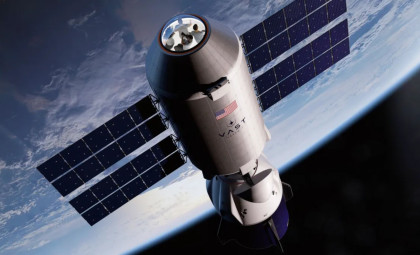
Vast Space, a newcomer on the aerospace scene, is ambitiously forging ahead with plans to build the planet’s first space station featuring artificial gravity. As reported by NASA Spaceflight, the Haven-1 module is slated for launch in 2027 and is intended to pioneer the development of a sustainable commercial orbital habitat. This single-module station represents the initial phase in Vast’s more expansive vision.
The inclusion of artificial gravity technology is especially revolutionary, promising to enhance astronaut health during long-duration missions by countering effects like muscle weakening and bone loss. Haven-1 serves as a prototype leading to the larger Haven-2 station, expected to comprise nine modules and launch aboard SpaceX’s Falcon Heavy and Starship rockets.
Vast’s strategy encompasses not only technological innovation but also creating an environment conducive to extended human habitation in space, making their approach one of the sector’s most forward-thinking initiatives.
Haven Demo has successfully completed its initial perigee-lowering maneuver to demonstrate the spacecraft's ability to perform a controlled deorbit.
— Vast (@vast) February 3, 2026
The spacecraft engaged its orbit-maneuvering thrusters for approximately 14 minutes, lowering perigee by ~170km. pic.twitter.com/HcIpZ9n53d
Axiom Space’s Blueprint: Developing Tomorrow’s Commercial Orbital Facilities
Axiom Space has established itself as a frontrunner in private spaceflight with four successful ISS missions completed. The company is now gearing up to build a modular space station intended to succeed the ISS upon its retirement around 2030. The initial segment, called the Payload Power Thermal (PPT) module, is planned to launch to the ISS before the decade ends.
Axiom’s endeavor focuses on long-term station sustainability, aiming to incrementally add modules and broaden its functionality. Partnering with industry experts like Thales Alenia Space, Axiom is actively working on design and production. Their future station will not only support scientific and commercial activities but also accommodate private ventures ranging from space manufacturing to tourist experiences.
Securing $350 million in funding by February 2026 has provided Axiom with the financial resources to advance its vision. NASA’s collaboration is a key component in ensuring the ISS’s heritage continues through these new, privately operated structures.
It's an honor to be entrusted by @NASA to conduct our fifth commercial human spaceflight mission onboard the @Space_Station. Axiom Space has sent 14 astronauts, representing 11 nations to the station in the past 4 years, with crews conducting 160+ research and 100+ outreach…
— Axiom Space (@Axiom_Space) January 30, 2026
NASA’s Role in Sustaining Commercial Space Habitats
NASA’s engagement with firms like Vast and Axiom extends beyond facilitating access to the ISS. By backing the creation of commercial stations, NASA is laying the foundation for a seamless transition when the ISS is eventually decommissioned. This approach aligns with NASA’s mission to stimulate private sector innovation while maintaining cooperative ties with government bodies and international collaborators.
Besides Vast and Axiom, NASA has also funded companies such as Blue Origin and Starlab Space to build their own stations. Looking toward the 2030s, NASA intends to foster a thriving commercial orbital industry capable of supporting diverse activities from scientific experiments to space tourism, by providing necessary infrastructure and partnerships.
- Categories:
- Space






0 comments
Sign in to Comment