
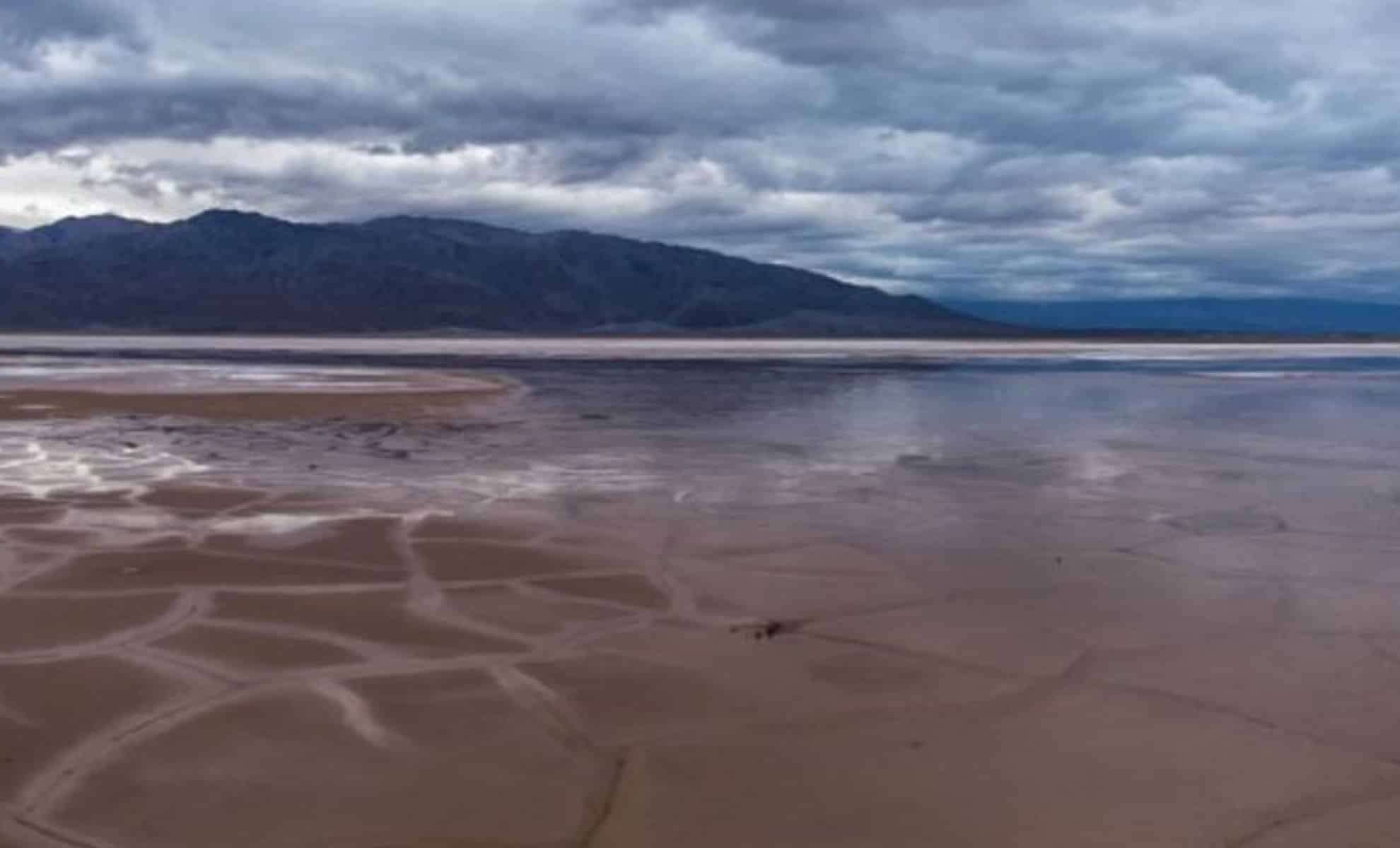
The planet’s water cycle—a complex network transferring water among the atmosphere, land, and oceans—is undergoing dramatic transformation due to human influence. A recent NASA investigation, using nearly twenty years of satellite data, exposes significant alterations in water distribution attributed to human activities.
Wanshu Nie, a lead researcher at NASA’s Goddard Space Flight Center, spearheaded this study, highlighting trends that could redefine water management globally and threaten natural ecosystems. "Our goal is for this research to guide improved assessments of water resource variability and promote sustainable management, especially in regions most affected by these changes," Nie stated.
Tracing Human Influence Within Changing Water Patterns
The study identifies three primary disruptions within the global water cycle, exposing how human-induced factors and environmental shifts profoundly affect Earth’s longstanding water dynamics. Activities such as resource overuse, land alteration, and climate change are changing how water is distributed, available, and timed around the world, challenging ecosystems, agriculture, and societies. Key changes outlined in the research include:

- Groundwater depletion, with crucial aquifers worldwide steadily diminishing. Excessive pumping to support farming, industry, and urban needs is outpacing natural replenishment, threatening future water access and ecosystem stability. This is especially critical in dry regions where groundwater is a vital source for drinking and irrigation, increasing vulnerability to drought and straining fragile water systems.
- Altered seasonality, such as earlier snowmelt events and shifts in crop growing periods. Rising temperatures cause mountain snowpacks to melt sooner, disrupting the alignment between water supply and agricultural demand. Earlier and unpredictable growing seasons heighten challenges for farmers, threatening crop yields and food security.
- Increasing frequency of extreme weather events, with floods and droughts once considered rare now recurring more often. Driven by changing climate conditions, these extremes inflict severe damage on infrastructure, agriculture, and ecosystems. Floods overwhelm water management capacities, forcing evacuations and destroying farmland, while extended droughts impair water availability in vulnerable areas, underscoring urgent adaptation needs.
North China provides a vivid example of these linked effects, where persistent droughts have compelled farmers to rely heavily on groundwater for irrigation. While this eases immediate water shortages, it is accelerating underground reservoir depletion and worsening the water scarcity issue in the region.
Leveraging Comprehensive Satellite Technologies
The research drew on extensive datasets from NASA missions—including the Global Precipitation Measurement (GPM) and Gravity Recovery and Climate Experiment (GRACE) satellites—alongside soil moisture information from the European Space Agency. This integrated approach enabled unprecedented accuracy in modeling water flows and stores at continental scales.
"Combining years of satellite data expertise, our team can now accurately simulate global water movements and storage," explained NASA scientist Augusto Getirana.
In addition, vegetation health assessments derived from the Moderate Resolution Imaging Spectroradiometer (MODIS) instrument helped elucidate ecosystem responses related to changing water availability.
Looking Ahead: Managing Water Amid Rapid Changes
These findings challenge the assumption that water cycle variations remain within stable bounds. As noted by Nie, "In some areas, previous models may no longer reflect reality." The study stresses the need for updated forecasting models to incorporate ongoing human influences, helping communities prepare for altered water realities.
Efforts such as designing flood-resilient infrastructure and developing improved drought prediction systems will be vital adaptations moving forward.
Urgency for Sustainable Solutions
The investigation highlights a vital call to limit humanity’s reshaping of the global water cycle. While it outlines considerable hurdles, it also points toward solutions through advanced modeling, sustainable resource use, and comprehensive planning.
“This research reveals our deep connection with the environment,” emphasized Kumar. “Understanding these water cycle shifts equips us to sustainably manage resources amid unprecedented challenges.”
As world populations increase and climate change accelerates, this NASA study acts as both an alert and a strategic framework. Addressing human impacts on water systems is essential for protecting ecosystems and ensuring community resilience globally.
- Categories:
- Climate change









0 comments
Sign in to Comment