
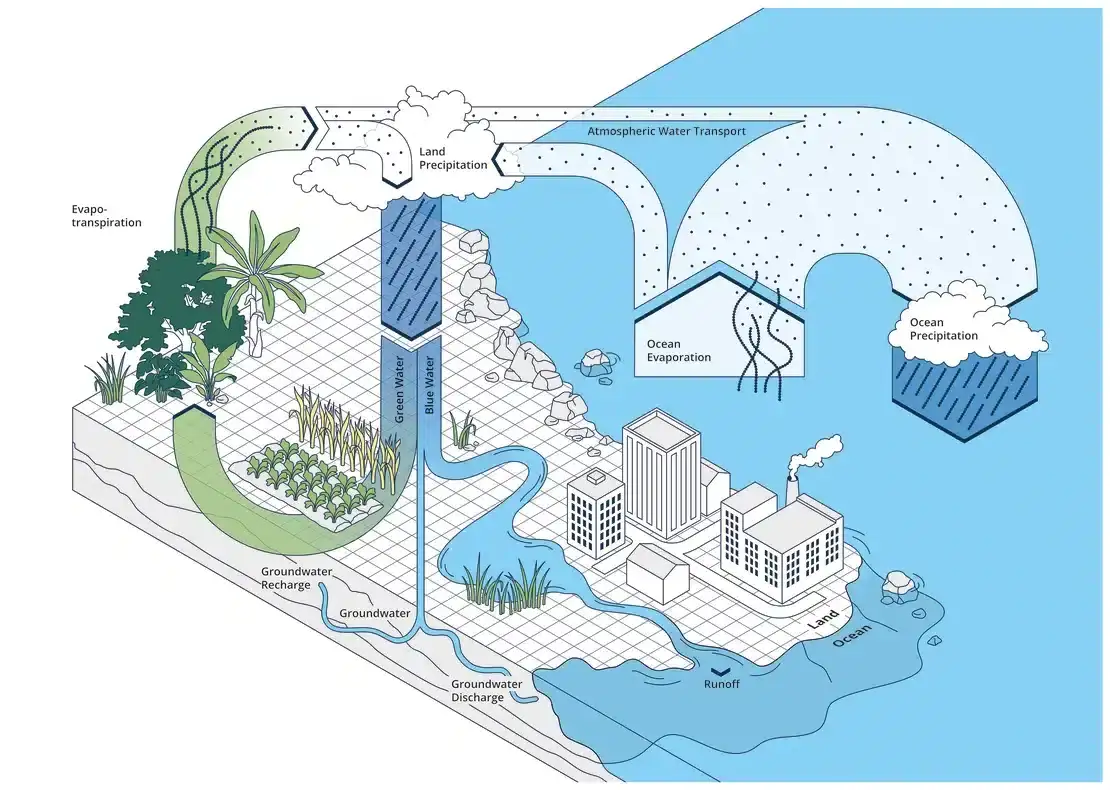
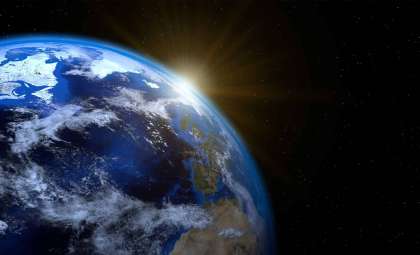
Humanity is now witnessing an unprecedented disturbance in the Earth's water system for the very first time. A recent groundbreaking report from the Global Commission on the Economics of Water reveals the magnitude of this emerging crisis. Decades of harmful land exploitation alongside poor water management have combined with climate change caused by humans, placing extraordinary strain on the global water cycle.
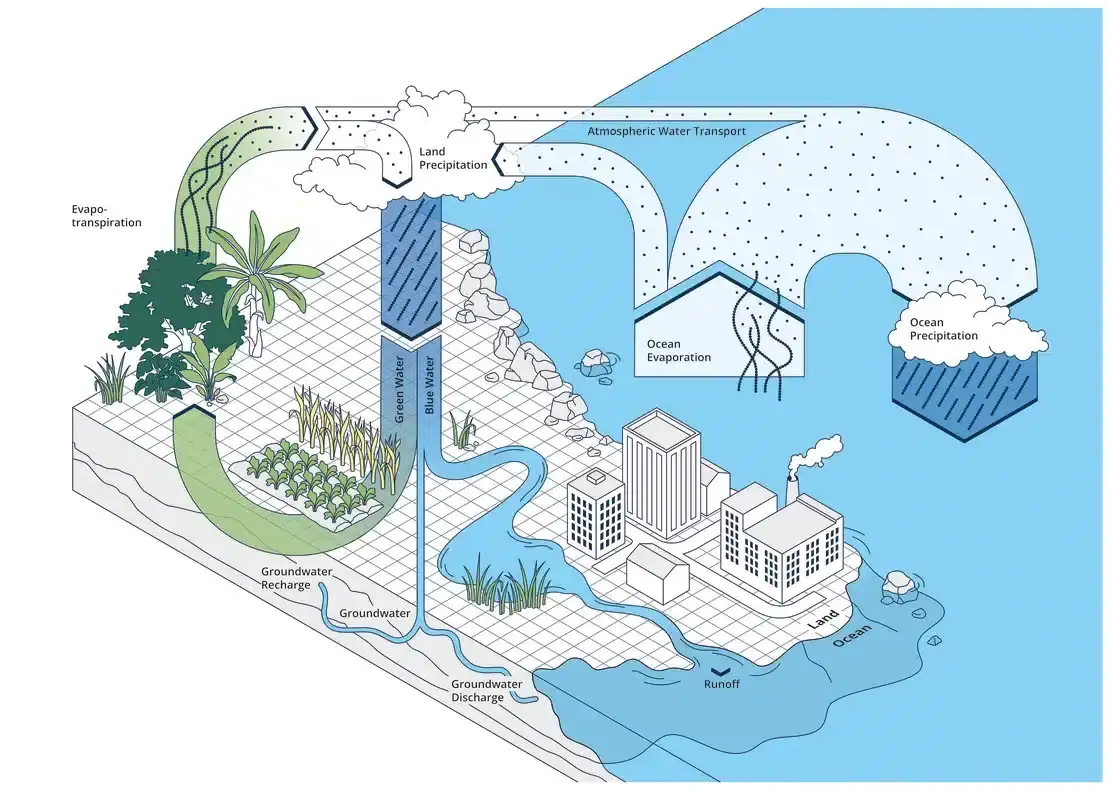
This complex network, which governs the movement of water across our planet, is increasingly destabilized. The natural cycle where water evaporates from surfaces like rivers, lakes, and vegetation, ascends into the atmosphere, then falls again as precipitation, is no longer operating normally. As a consequence, nearly three billion individuals are experiencing water shortages that threaten food production, urban growth, and human health worldwide.
The ramifications of this imbalance are far-reaching and potentially devastating. The commission's report warns that this crisis could jeopardize:

- Over half of global agricultural output
- An approximate 8% drop in national GDPs by 2050
- Up to 15% GDP decline expected for low-income nations
Climate change and water cycle disruption: A damaging feedback loop
There is a direct connection between climate change and disturbances in the water cycle, fueling a self-reinforcing cycle of environmental harm. As extreme heatwaves scorch areas such as the U.S. West, water resources face even greater challenges.
The report differentiates between "blue water" – the visible water in surface bodies and aquifers – and "green water," which refers to moisture stored in soil and vegetation. While traditional water management has focused mainly on blue water, green water plays a vital role too, returning moisture to the atmosphere through plant transpiration and contributing to nearly half of all rainfall on land.
Rising temperatures driven by climate change worsen these issues by:
- Desiccating soil and vegetation
- Lowering soil moisture content
- Increasing susceptibility to fires
- Reducing carbon storage capabilities
Together, these effects create a cycle that accelerates global warming and further destabilizes the water system. The looming disappearance of glaciers throughout Europe—including in France, Italy, and the Pyrenees—is a stark warning about how swiftly water cycles are transforming.
Solutions to the worldwide water emergency
Experts highlight the urgent need for a fundamental reevaluation of water management practices to mitigate this crisis. The report advocates viewing the water cycle as a "shared resource" demanding coordinated global stewardship. Nations are interconnected not only by rivers and lakes but also through atmospheric moisture traveling across regions.
Suggested steps to confront the challenge include:
The commission also stresses the need for a radical transformation in how water's economic value is perceived. Ngozi Okonjo-Iweala, Director General of the World Trade Organization and co-chair of the commission, underscores the necessity of acknowledging water scarcity by assigning it appropriate worth.
Facing this unparalleled obstacle requires considering the broader effects of climate change on aquatic environments, including rising ocean noise pollution. By addressing these linked challenges, humanity can strive to restore equilibrium to the Earth's water cycle and secure a sustainable future.
https://www.unicef.org/wash/water-scarcity
- Categories:
- Climate change








0 comments
Sign in to Comment