
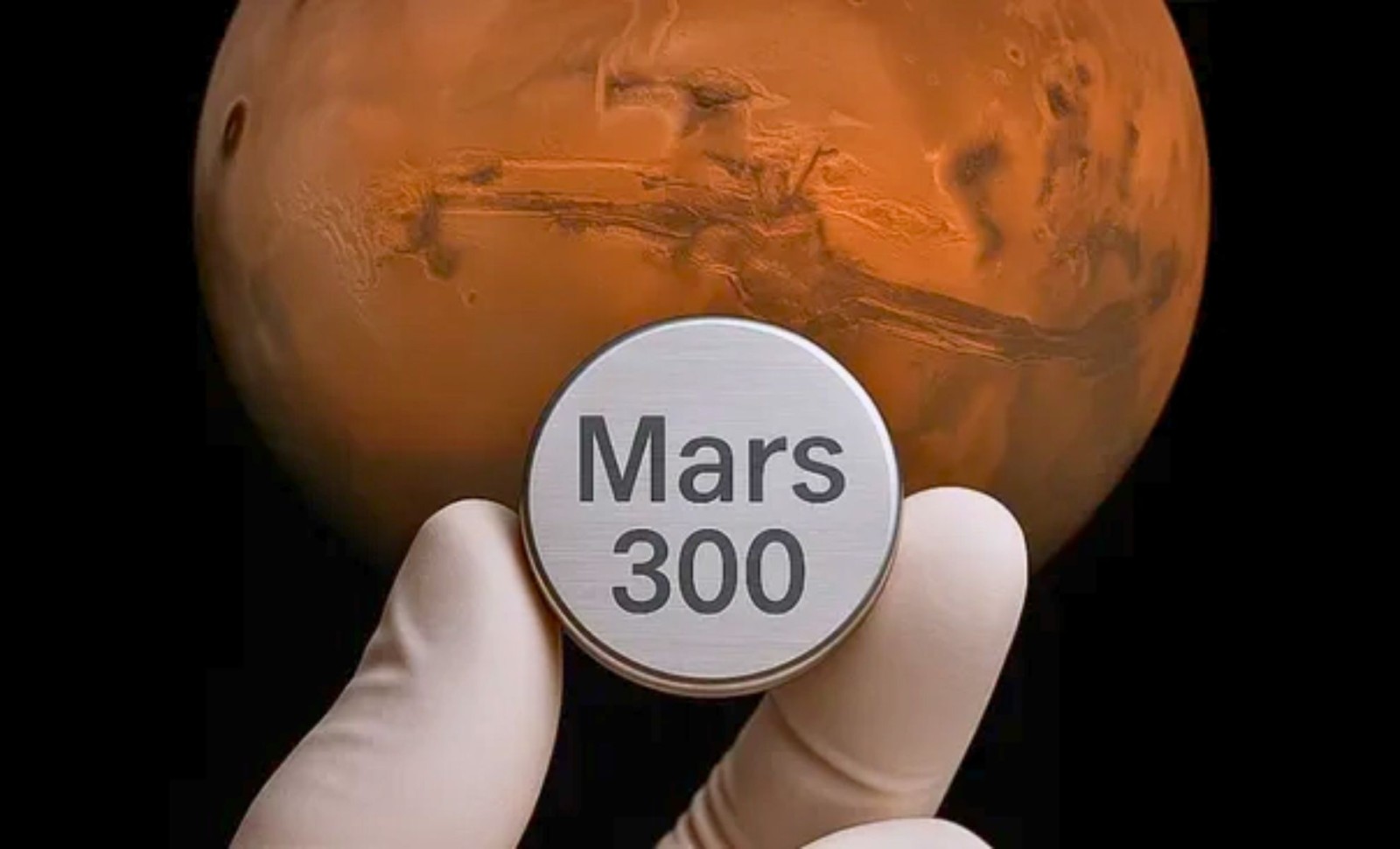
Celestis, a memorial spaceflight company headquartered in Texas, has revealed an ambitious plan to transport human ashes and DNA samples into orbit around Mars by 2030. Their upcoming project, known as “Mars300,” aims to blend advanced space exploration with a lasting tribute to those who have passed.
For a fee of $24,995, Celestis—active in sending cremated remains to space since 1997—offers customers the chance to have a part of them journey to the Red Planet.
While the company has previously honored renowned personalities such as the casts of “Star Trek” and distinguished space researchers, the Mars300 mission marks its first endeavor to place human remains into orbit around another planet.

Breaking New Ground with Mars300
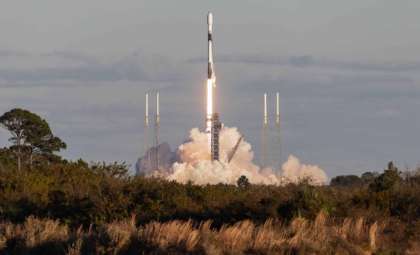
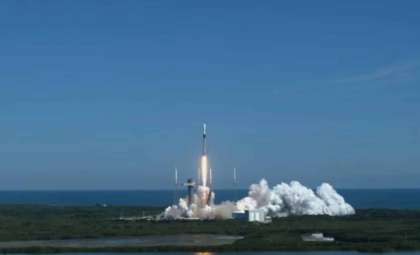
Celestis has established itself by delivering memorial services beyond Earth, carrying the ashes of ordinary individuals, celebrities, and even pets aboard various spacecraft, often utilizing rockets such as the United Launch Alliance’s Vulcan Centaur. Now, with the Mars300 initiative, they are setting their sights on orbiting Mars as their next mission target.
“This mission represents humanity’s next responsible step toward the stars,” said Charles Chafer, CEO and founder of Celestis.
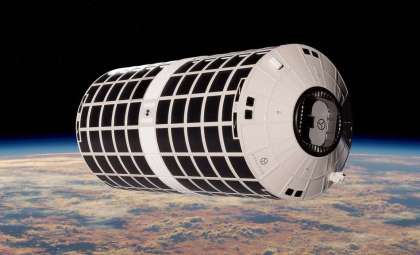
The Mars300 launch is planned as a secondary payload on a Mars cargo spacecraft. Despite having a clear vision, Celestis faces challenges tied to the complexities of transporting payloads safely to Mars.
Currently, SpaceX’s Starship stands as the main candidate for facilitating Mars launches. However, timing for a decisive and successful mission, ensuring proper delivery of the cargo into Martian orbit, remains undetermined.
“A reliable launcher is obviously still a detail to be determined,” Chafer acknowledged, underscoring the unpredictability of interplanetary missions.
Reserve Your Spot Among the Stars
Reservations for the Mars300 mission are now open, with each participant’s slot priced at $24,995. A 10% initial deposit is required to confirm a reservation, continuing Celestis' legacy of offering unique space memorials with the added challenge of a Mars-bound mission.
To ensure transparency and protection of clients' funds, Celestis will hold all payments in an escrow trust until the mission provider and launch specifics are finalized.
Protecting Mars: The Debate Around Planetary Safeguards
Stringent planetary protection guidelines are in place to avoid contaminating other worlds with earthly microorganisms. The Committee on Space Research (COSPAR) enforces these rules to preserve the pristine condition of extraterrestrial ecosystems.
The plan to send human ashes into Martian orbit raises questions about whether such activities could breach these protocols, especially since the remains will linger around Mars for an extended period.
“By sending cremated remains and human DNA to Mars, we unite science, exploration, and legacy in a way that speaks to our shared destiny beyond Earth,” Chafer said.
Despite the mission's noble intentions, ongoing concerns relate to how planetary protection measures will be practically enforced and what steps Celestis will take to prevent accidental contamination of the Martian environment.
- Categories:
- Space








0 comments
Sign in to Comment