
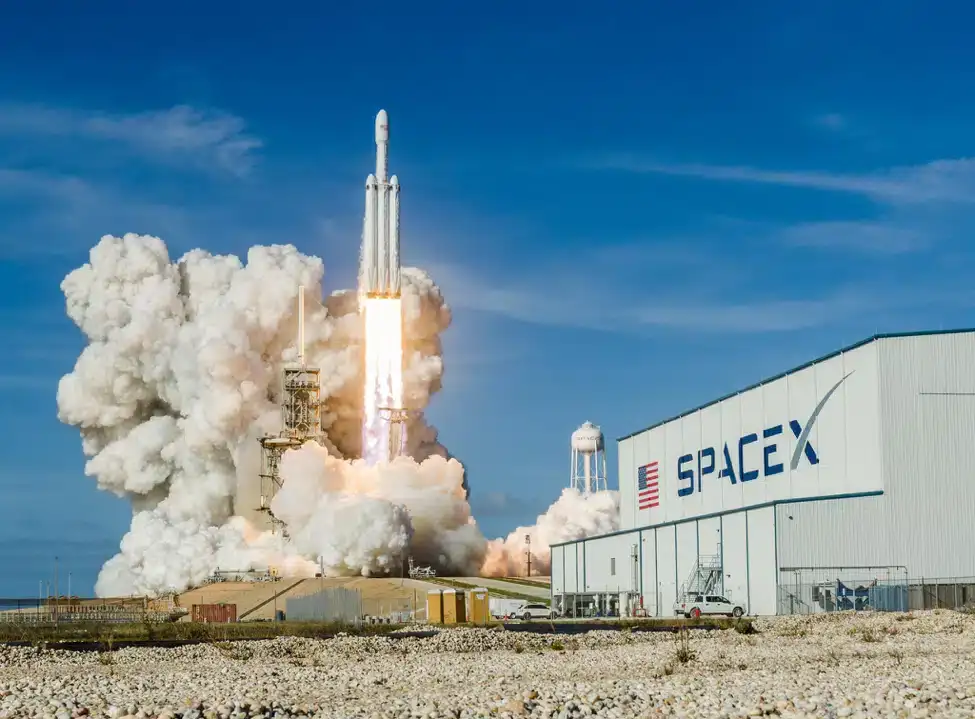
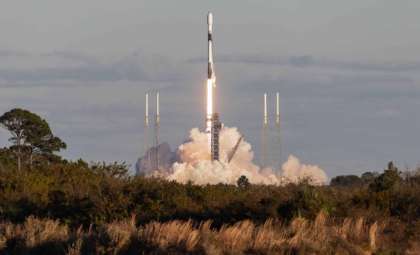
SpaceX has formally requested clearance from the Federal Aviation Administration (FAA) to restart launches of its Falcon 9 rockets after they were halted due to a problem detected in the upper stage during a recent flight.
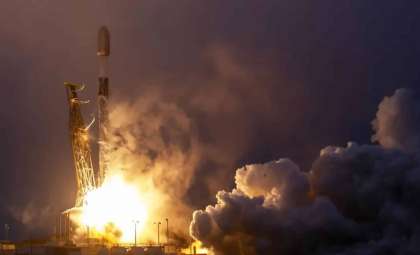
On July 11, during a Starlink satellite deployment mission from Vandenberg Space Force Base in California, the Falcon 9 encountered difficulties when the second stage suffered a liquid oxygen leak. Although the rocket’s first stage operated smoothly and landed on a drone ship successfully, the anomaly prevented the second stage from completing its second engine firing, leaving the satellites in a lower orbit than intended.
Understanding the Incident
This malfunction prompted SpaceX to petition the FAA for a safety clearance to proceed with unmanned launches while they continue to analyze the event. An FAA spokesperson commented, “The FAA is carefully reviewing the application and will prioritize safety as the primary factor throughout this evaluation.” The process assesses system reliability, the nature of the failure, and the robustness of current safety protocols.

Jonathan McDowell, astrophysicist at the Harvard-Smithsonian Center for Astrophysics, outlined potential requirements before crewed flights resume: “I expect they must fully understand the cause, devise corrective measures, and demonstrate those fixes through at least one successful uncrewed Falcon 9 launch prior to clearing the Polaris Dawn mission.” Such steps ensure astronaut safety is uncompromised.
Consequences for SpaceX’s Launch Cadence
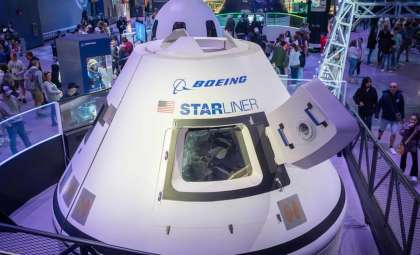
The Falcon 9 suspension has considerably disrupted SpaceX’s launch lineup, delaying multiple commercial and potential crewed missions. The company has dominated the Space Coast launches in 2024, completing 46 out of 50 scheduled missions. Upcoming launches affected include the Polaris Dawn mission planned for late July and NASA’s Crew-9 expedition targeted for August.
Laura Forczyk, founder and head of the space consultancy Astralytica, emphasized the unique challenges crewed flights face. “Crewed missions will definitely face stricter scrutiny than unmanned ones because safety must be absolutely certain before astronauts embark,” she explained. This suggests commercial flights could resume ahead of human spaceflights but with close oversight.
FAA and SpaceX: Moving Forward
SpaceX’s track record of openness regarding technical challenges will influence the FAA’s review. Florida-based space analyst John Holst remarked, “Failures like this are uncommon for SpaceX. The company will move swiftly, but FAA and NASA must thoroughly verify the cause and corrective actions before approving future flights.” The FAA maintains precise regulations to guarantee public safety prior to flight resumption after anomalies.
Certification requires a detailed investigation and verifying implemented fixes. The FAA clarified, “Returning to flight depends on either approval of the final mishap analysis and related corrections, or if the issue didn’t involve critical safety systems, a conditional go-ahead could be granted while investigations proceed.”
Wider Ramifications for the Space Sector
SpaceX’s upper stage problem and launch pause carry implications beyond the company. Renowned for the reliability of its Falcon 9 rockets, which support various NASA and commercial efforts, the firm’s swift problem resolution is key to sustaining industry confidence.
McDowell noted SpaceX’s iterative engineering style, saying, “They continually refine and upgrade design elements in a Silicon Valley fashion, unlike the traditional NASA approach of minimizing changes after success.” While this encourages innovation, it also carries risks of unforeseen issues, as demonstrated here.
The current launch suspension also impacts the broader spaceflight ecosystem. Space Coast’s previously rapid launch tempo is now stalled, potentially delaying other commercial and government missions. Space journalist Brooke Edwards pointed out the interconnectedness of the launch schedules and how one company’s delays ripple industry-wide.
As SpaceX addresses the anomaly and prepares to resume launches, the space community will watch closely. Resolving this setback is vital for maintaining commercial space progress and ensuring timely missions to the International Space Station and beyond.
- Categories:
- Astronomy ,
- News ,
- Space ,
- Aircraft






0 comments
Sign in to Comment