
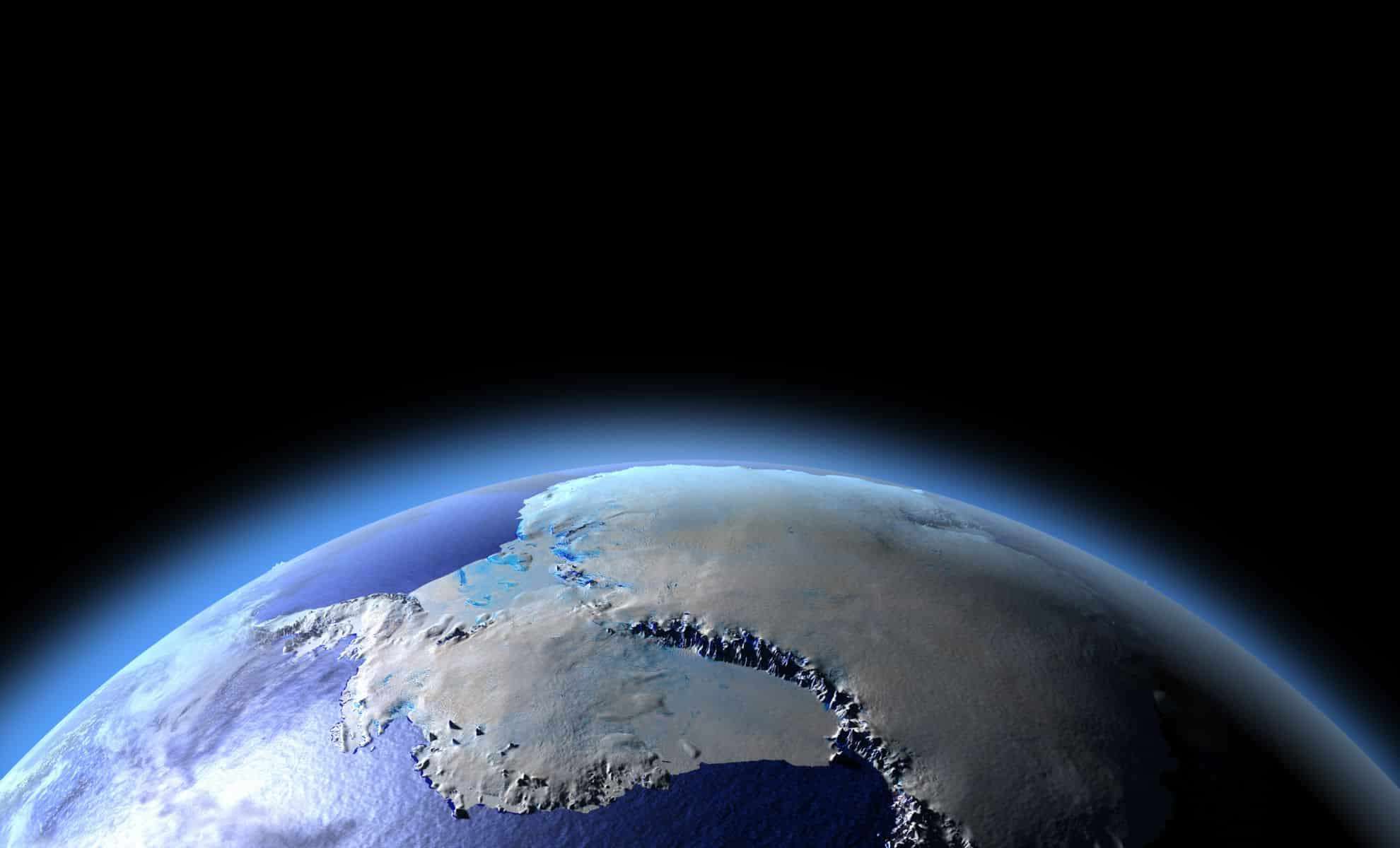
A recent investigation featured in Geophysical Research Letters has disclosed that the Earth's North and South Poles are migrating at unprecedented speeds, with estimates suggesting a displacement surpassing 89 feet by the end of this century. Conducted by experts at the Federal Institute of Technology Zurich, the research attributes this accelerated movement primarily to the swift melting of glaciers and ice formations worldwide. Alarmingly, the study emphasizes that human influence now outweighs natural climatic cycles like ice ages in driving this phenomenon.
Factors Contributing to Polar Movement
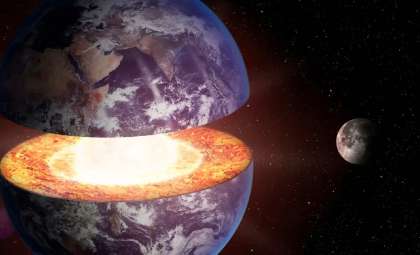
Earth’s poles are inherently mobile, but current global warming trends have intensified their displacement dramatically. The rapid loss of ice masses from Greenland, Antarctica, and other glaciated regions redistributes the planet's mass, altering Earth's rotational axis. This reconfiguration is expected to propel the poles' movement beyond 89 feet by 2100.
The melting ice sheets in Greenland and Antarctica emerge as the main drivers of this extraordinary shift, closely followed by diminishing glaciers worldwide. According to the study's authors, these factors accelerate pole migration far beyond levels anticipated from natural geophysical processes, potentially affecting Earth's ecosystems and the technology that depends on stable geodetic references.

Human Activities Outpacing Natural Ice Age Effects
A key takeaway from the research is that anthropogenic climate change is now the dominant force accelerating polar displacement. Co-author Mostafa Kiani Shahvandi explained to Live Science that today’s human-driven impacts exceed the geological adjustments that followed the last ice age's end. Shahvandi stated, “This effect is somewhat surpassing the effect of glacial isostatic adjustment, which is the effect of solid Earth rebound after the termination of the last ice age. This means that what humans have done has somewhat shifted the pole more than the effect of ice ages.”
This insight underscores the grave and accelerating influence of human activity on Earth's physical dynamics, emphasizing the urgency of addressing climate change consequences.
Implications of Accelerating Pole Shifts
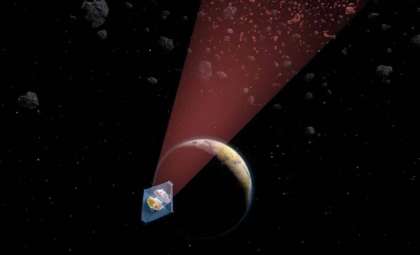
The evolving positions of Earth’s poles carry significant repercussions for both natural systems and technological infrastructure. One critical concern involves satellite and spacecraft navigation , as these systems rely heavily on precise knowledge of Earth’s rotational axis. Changes in this axis could hamper navigation accuracy and communication networks, complicating space operations.
Additionally, the polar shifts are entwined with sea-level rise and alterations in Earth's crust, potentially exacerbating coastal flooding and inland inundation risks. These shifts also modify global water movement patterns, which might intensify the frequency and severity of extreme weather episodes. Such effects are already emerging and could escalate, posing serious threats to millions residing in vulnerable areas.
Ongoing Research and Response Strategies
Researchers advocate for continued exploration of polar displacement records from previous climate events to better understand historical shifts and isolate human impacts. This knowledge is vital for forecasting future changes and preparing adaptive measures.
Efforts are underway to refine satellite navigation systems in response to polar migration. Furthermore, governments and agencies worldwide are strengthening disaster readiness, especially for coastal zones facing rising seas. The study’s findings highlight the pressing need for immediate and concerted action against the accelerating climate crisis.
- Categories:
- News




0 comments
Sign in to Comment