
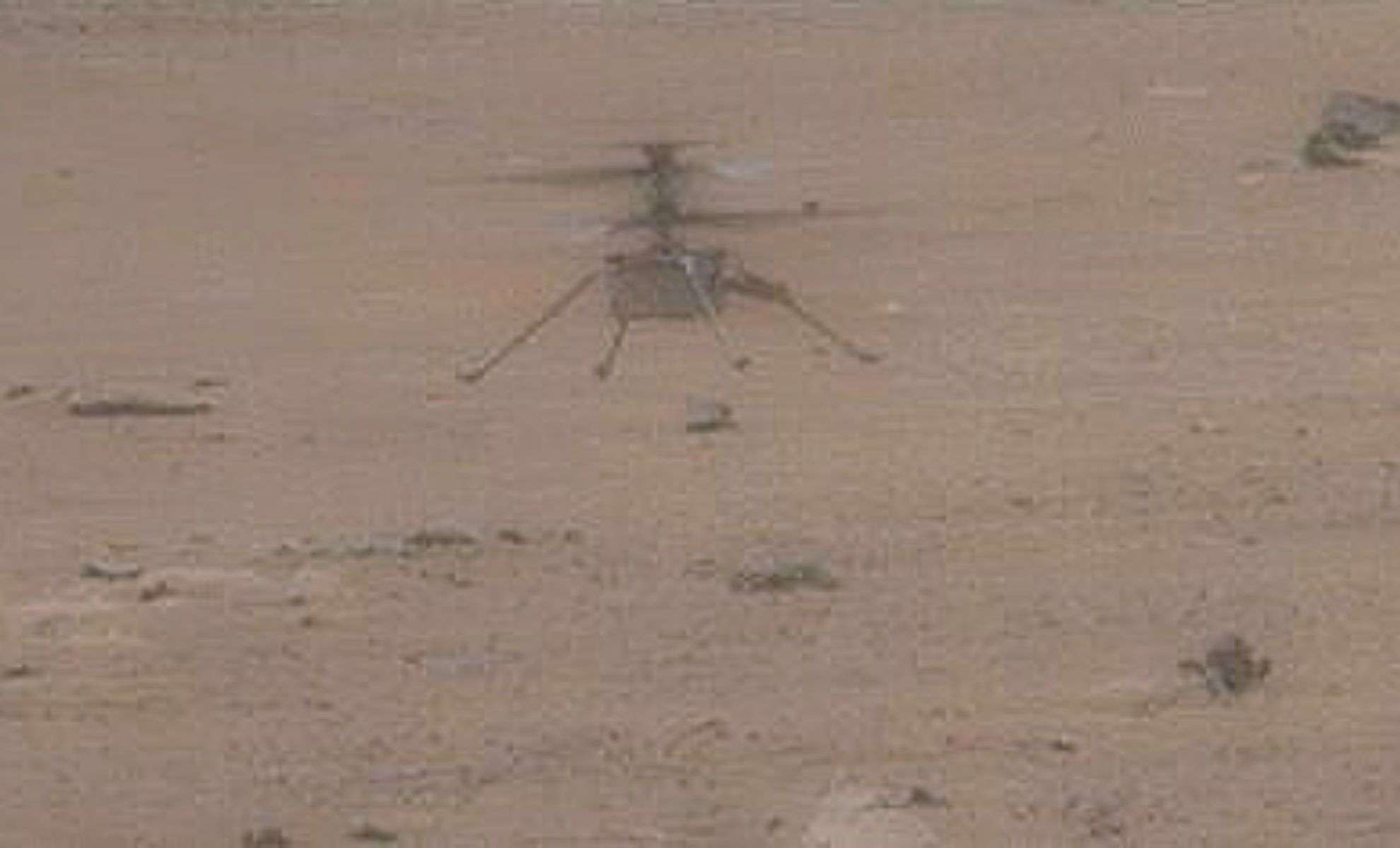
Resting quietly within a Martian valley shaped by ancient waterways, a small helicopter weighing just four pounds lies half-submerged in the rusty soil. Almost three years after making history with the first powered flight on another planet, NASA’s Ingenuity has come to a gentle halt, its rotor shattered and final transmission recorded on January 18, 2024.
Initially conceived as a brief demonstration, Ingenuity was slated for just five experimental flights over a span of 30 days. Defying expectations, it completed an impressive 72 flights, traversing over 17 kilometers of challenging Martian landscape. Each mission continually pushed the boundaries of what’s achievable in extra-planetary flight. More than a machine, it became an indispensable scout and a powerful emblem of human ingenuity operating in the thin atmosphere 54.6 million kilometers from Earth.
Ingenuity’s impact extended far beyond its technology. It shifted paradigms regarding flight, gravity, and exploring distant worlds. Although it didn’t directly conduct scientific sampling, it paved the way for innovative mobility options in future space missions. Today, engineers and mission strategists study its legacy to design the next wave of interplanetary flight vehicles.

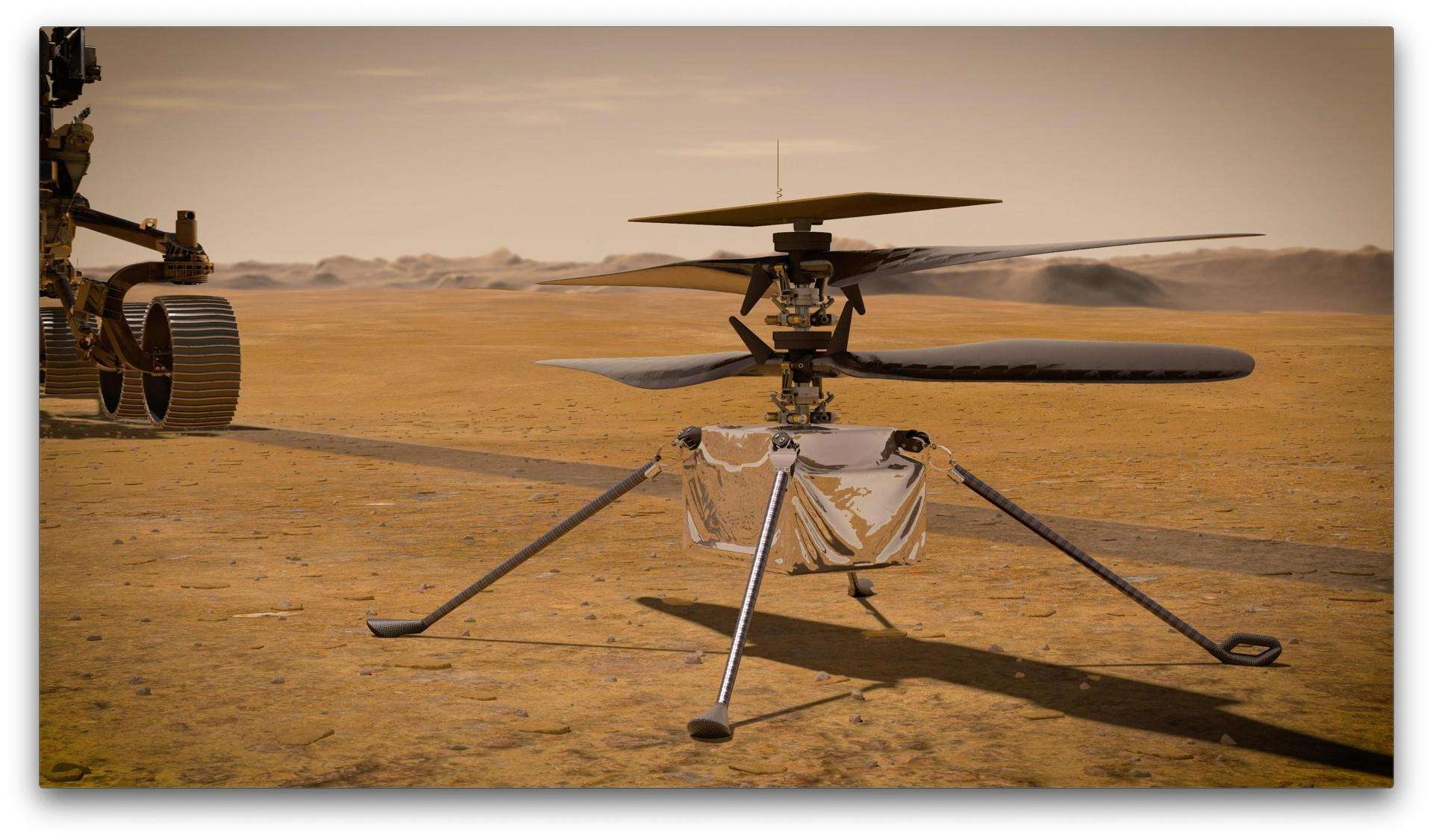
The conclusion of its journey was quiet. NASA reported that Ingenuity likely struck one of its rotor blades during touchdown, incapacitating it from future flights. In that moment, it became the first aircraft known to crash—yet succeed—on an alien world.
The Journey from Prototype to Mission Partner
Sent into space in July 2020 with the Perseverance rover, Ingenuity landed on Mars in February 2021 within the Jezero Crater, an ancient lakebed rich with scientific intrigue. Its inaugural flight on April 19, 2021, lasted only 39 seconds but marked humanity’s first controlled powered flight beyond Earth.
Crafted by NASA’s Jet Propulsion Laboratory (JPL), the helicopter faced tremendous challenges. With Mars’ atmosphere at a mere 1% density of Earth's, lifting off required rotor blades spinning close to 2,400 RPM. It also endured brutal cold, with nighttime temperatures plunging below -90°C.
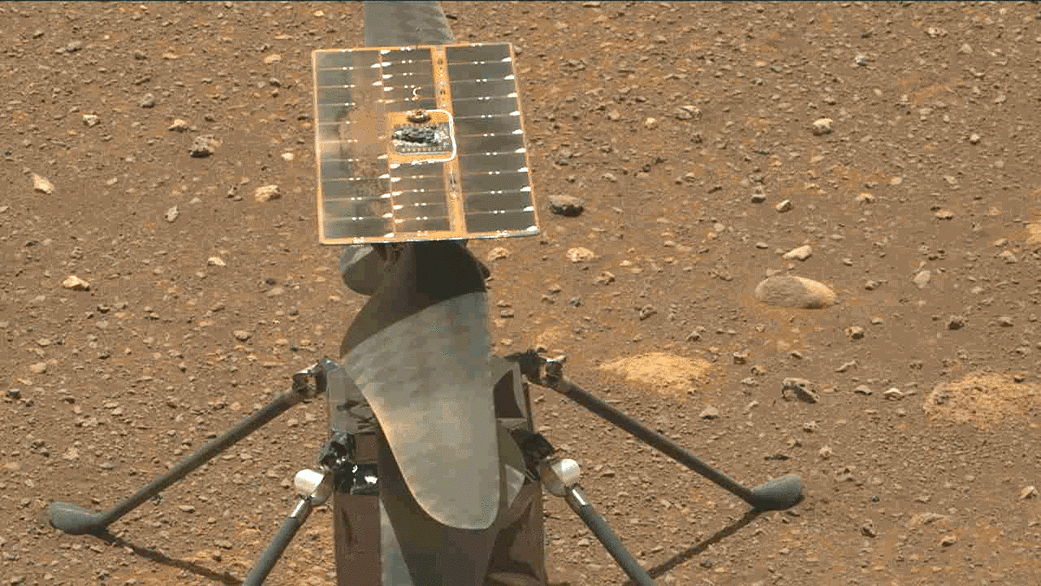
Despite these harsh conditions, Ingenuity didn’t just fly—it adapted. After completing the initial five flights, NASA extended its mission indefinitely, entering an "operations demonstration" phase. In this new role, Ingenuity became a vital asset for Perseverance, scouting ahead to map terrain, detect hazards, and identify scientific targets. It lowered risks, saving precious rover time and resources.
Trailblazing Achievements on the Red Planet
Over its operational lifetime, Ingenuity racked up 128.8 minutes in flight, reaching soaring heights of 24 meters (78 feet). Its longest journey in a single flight spanned 705 meters, setting an extraterrestrial powered flight record. But perhaps most importantly, it brought a sense of normalcy to flying on Mars.
The helicopter served as a platform for testing new software updates and autonomous navigation on the fly. Ground teams frequently uploaded fresh algorithms to boost its capabilities. Towards the end of its mission, Ingenuity operated largely autonomously, making quick decisions to navigate unfamiliar landscapes—a stepping stone for future missions to Titan, Europa, and beyond.
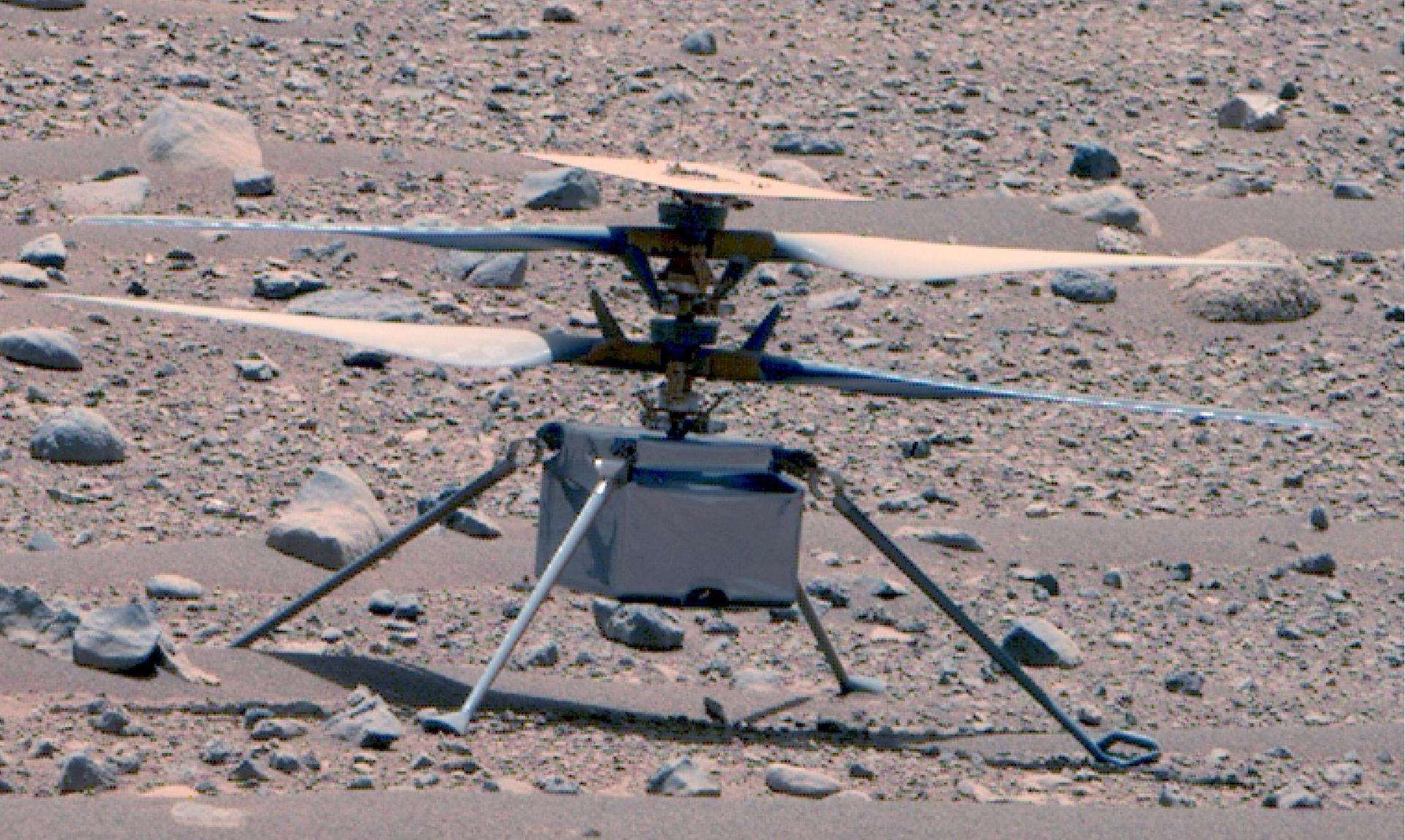
Its mission overlapped with intense exploration activities on Mars, including Perseverance’s quest for biosignatures. Although Ingenuity lacked instruments for detecting life, its aerial reconnaissance helped the rover avoid tricky terrain that could have endangered sample collection.
The Final Flight and a New Frontier
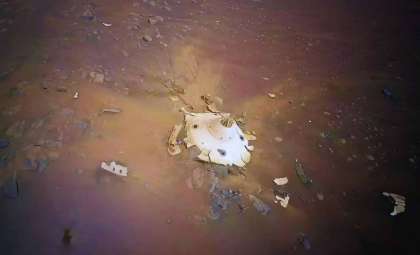
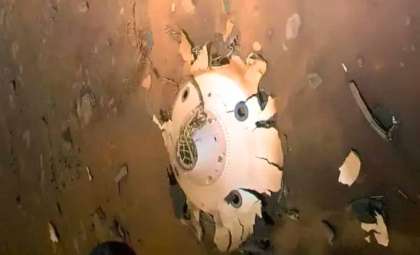
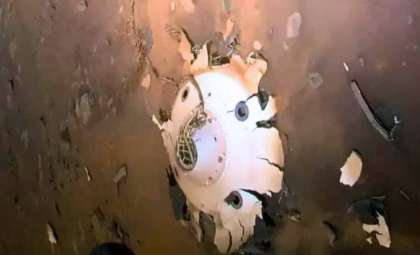
On January 18, 2024, Ingenuity lost contact mid-flight during its final sortie. Subsequent images from Perseverance showed that at least one rotor blade had sustained damage during landing, grounding the helicopter permanently.
In February 2024, Perseverance captured images of Ingenuity in Neretva Vallis, a dust-covered, dormant riverbed. Partially buried in sand, its broken blades stood upright like a silent emblem. "Even in its last moments, Ingenuity has given us valuable data," remarked Teddy Tzanetos, Ingenuity’s project lead at JPL, in NASA’s official statement. "It has confirmed engineering concepts that will guide future extraterrestrial aircraft."
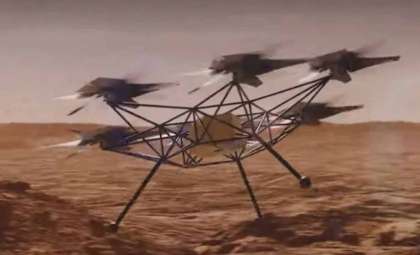
NASA is already applying Ingenuity’s lessons to forthcoming missions. The Mars Sample Return program may employ helicopter variants based on Ingenuity to ferry collected samples. Beyond Mars, aerial drones inspired by its design are planned for exploration of Saturn’s methane-rich moon Titan, including the upcoming Dragonfly mission, with a launch targeted for 2028.
Beyond Mars: A New Age of Planetary Aviation
Planned for a brief test, Ingenuity defied odds by surviving 72 flights across nearly 1,000 days, bringing about a breakthrough in alien aviation. Its feats have prompted comparisons to the Wright brothers, a tribute NASA officials offer with reverence. On a world with no breathable air and only a third of Earth’s gravity, it proved flight beyond our atmosphere is not only feasible but vital for future exploration.
All flight records and mission data are preserved in a comprehensive archive at NASA Science. Researchers actively analyze telemetry to deepen our understanding of rotorcraft operation in thin atmospheres.
- Categories:
- Space




0 comments
Sign in to Comment