
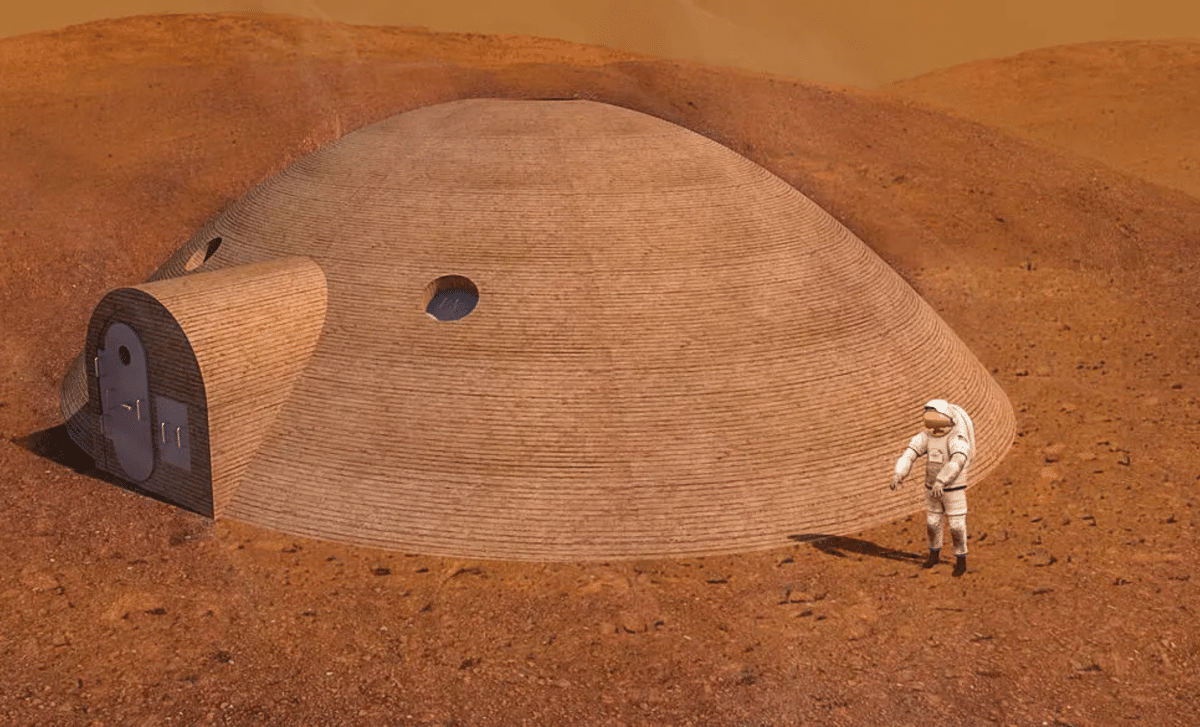
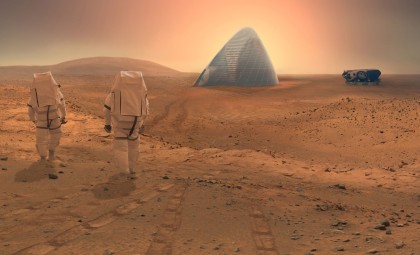
As NASA develops plans for permanent settlements on the Moon and Mars, researchers are exploring the roles of some of Earth's smallest creatures: insects. Emerging findings underscore their potential to aid sustainable farming and recycling systems in these extraterrestrial environments, where traditional life-support faces significant hurdles. These tiny organisms, once simply subjects of space experiments, are becoming critical allies for off-world habitation.
Transforming Space Research Through Insects
Insects have quietly contributed to space science for many years. Fruit flies, the first animals NASA launched into orbit in 1947, have been instrumental in studying radiation effects, immune system changes, and development under microgravity. Their rapid reproduction and genetic parallels to humans offer valuable insights into how life adapts beyond Earth.
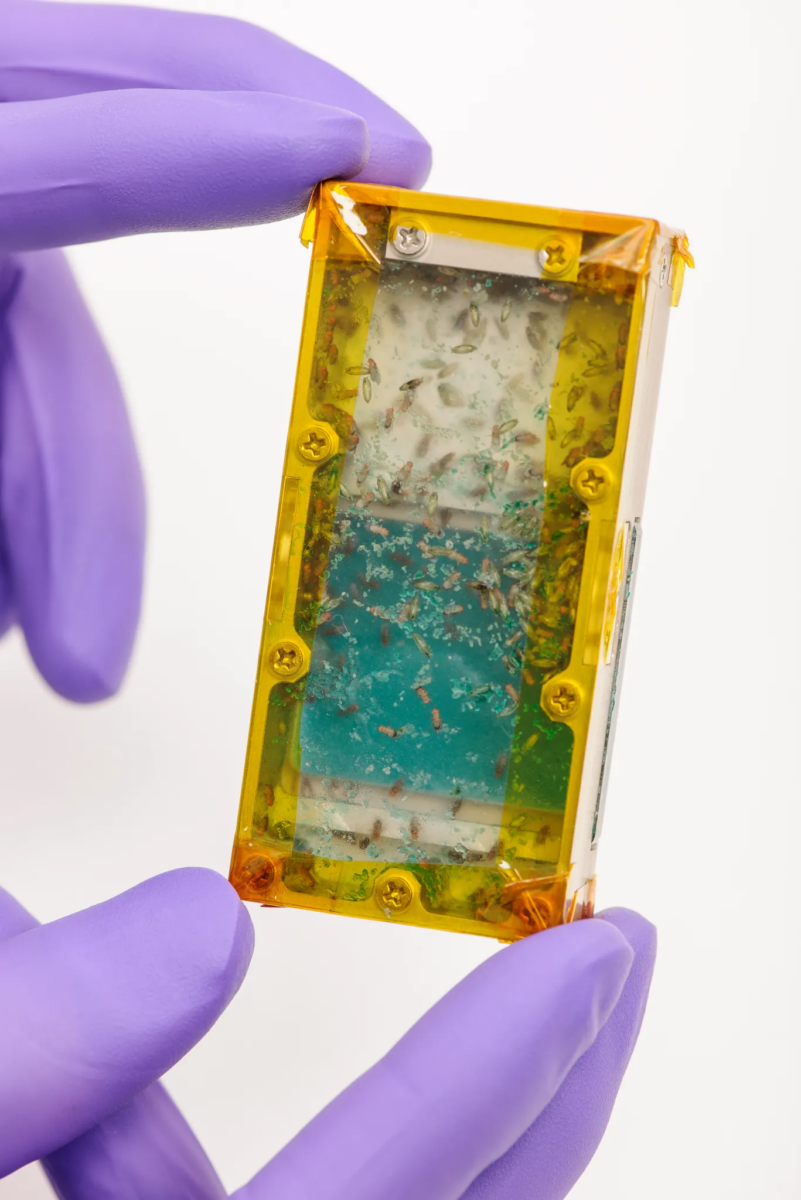
Other insects, including ants, silkworms, and butterfly larvae, have also been sent into space, but their roles were primarily observational within the International Space Station (ISS). Due to microgravity, these species experienced disorientation affecting their natural behaviors. However, on the Moon and Mars, where gravity is present at about one-sixth and one-third of Earth’s level respectively, scientists anticipate these insects can regain normal function, potentially facilitating new ecological interactions off-world.

NASA’s studies suggest that even reduced gravity can support typical insect activities such as walking, flying, and feeding. This capability could enable insects to contribute to tasks like pollination, organic waste processing, and soil maintenance within extraterrestrial habitats.
Creating Sustainable Habitats Beyond Our Planet
Establishing agriculture on the Moon and Mars presents one of the most significant challenges in off-world colonization. Initial crops will likely include fast-growing plants like tomatoes, peppers, strawberries, and leafy vegetables. Relying solely on human pollination for expanding settlements is impractical, hence bumblebees could play a crucial role.
Bumblebees thrive in controlled spaces and have been effective inside Earth-based greenhouses. By controlling environmental conditions such as light, temperature, humidity, and airflow, small bumblebee colonies could maintain crop pollination in isolated extraterrestrial greenhouses. Their hardiness and adaptability make them ideal candidates for NASA’s future biological support systems.
In addition to pollinators, other insects like black soldier fly larvae could transform the way waste is managed in space habitats. These larvae process organic waste efficiently, converting it into valuable fertilizer and protein-rich biomass, which are essential for food cultivation and ecological recycling. Mealworms could offer dual benefits by breaking down tough plant material while providing a supplemental protein source for settlers.
Belowground inhabitants such as springtails and mites would contribute to soil vitality by maintaining its structure and promoting healthy microbes, preventing degradation. Containment would be ensured by eco-pods designed to maximize ecosystem function and prevent contamination.
Reviving Earth’s Tiny Ecosystem Engineers
For hundreds of millions of years, insects have maintained Earth’s ecological balance through pollination, decomposition, and supporting food chains. Fascinatingly, these same organisms may now become integral to humanity’s survival on other planets.
NASA’s latest efforts embrace a biological integration approach. Rather than relying solely on mechanical systems, space habitats could evolve into closed-loop ecosystems, recycling all waste naturally. Insects, often overlooked in space exploration, may soon provide the ecological foundation for these extraterrestrial biospheres.
The prospect of future lunar and Martian colonies depending on these small buzzing and crawling creatures offers a new perspective on space technology. This synergy of biology and engineering brings Earth’s smallest life forms to play a pivotal role in achieving humanity’s grandest cosmic aspirations. As NASA advances this vision, insects that once drifted in microgravity may soon be essential builders of thriving, self-sufficient colonies millions of miles away.
- Categories:
- Space


0 comments
Sign in to Comment