
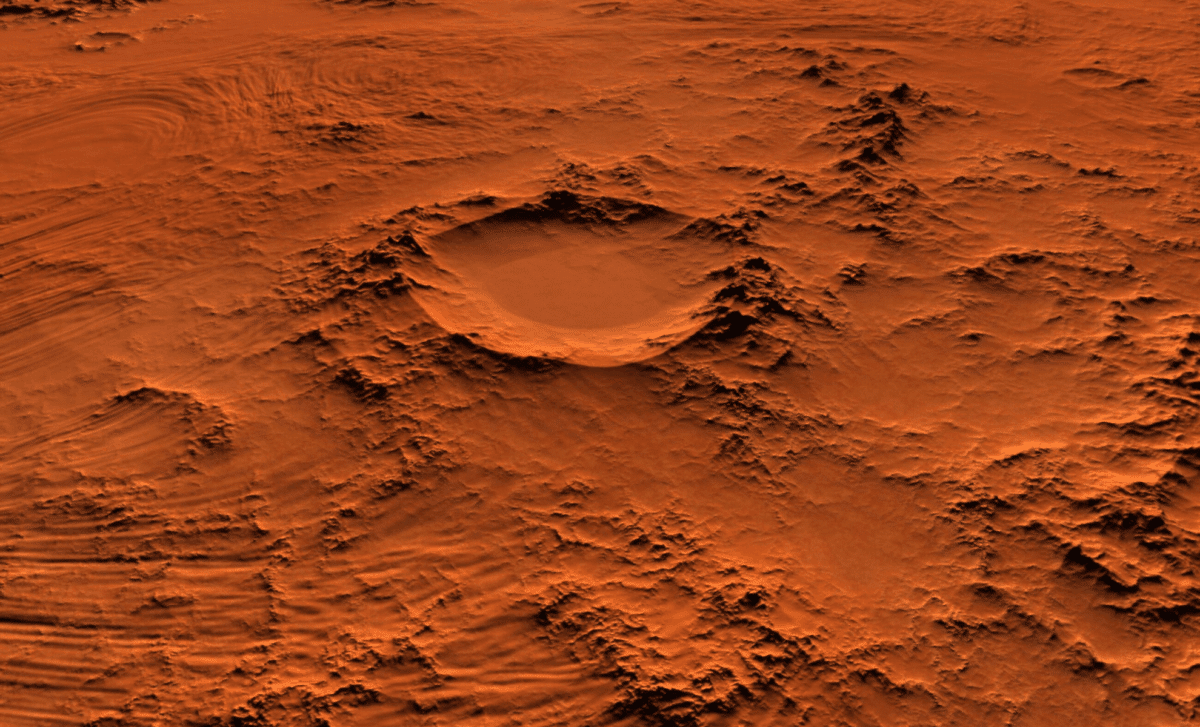
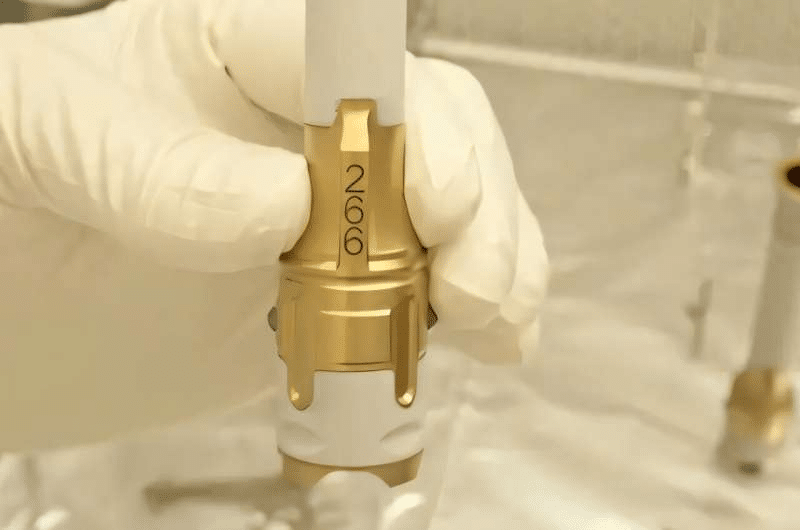
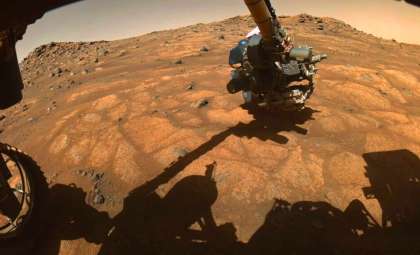
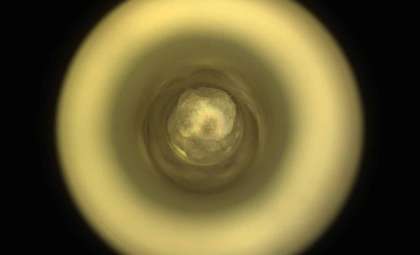
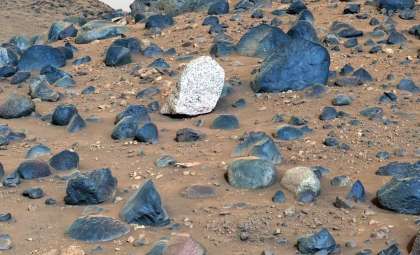
NASA's eagerly awaited Mars Sample Return mission is poised at a pivotal moment, with its path forward uncertain but its potential immense. Encased in titanium containers on Mars’ surface, these initial extraterrestrial samples await their journey back to Earth. For researchers, analyzing these fragments could revolutionize our insights into planetary history and the possibility of life beyond Earth. As discussions over logistics, cost, and risk continue, new research sheds light on the discoveries that could emerge once these Martian materials reach terrestrial laboratories.
Journey of Martian Rocks Back to Earth
Although technical and political challenges remain significant, the drive to study Mars samples is more intense than ever. A recent publication in Astrobiology highlights the transformative potential of these samples for planetary science. It outlines how cutting-edge facilities across Europe, such as the Max Planck Institute for Solar System Research (MPS) and the University of Göttingen, are gearing up to analyze Martian specimens with unmatched precision.
“Examining rocks and samples of the Martian atmosphere on Earth will open a new chapter in Mars research and help us understand our neighboring planet much better than we can today,” says Andreas Pack from the Geosciences Center at the University of Göttingen.
Add Cosmo Herald as a Preferred Source

According to Pack and his team, these analyses might reveal direct information about Mars’ ancient climate and geochemical changes, details beyond the scope of current orbiters and rovers.
“In order to assess with the greatest possible certainty whether life once existed on Mars, we need to bring samples from Mars back to Earth and examine them here,” said Schröder, MPS scientist and co-author of the new study.
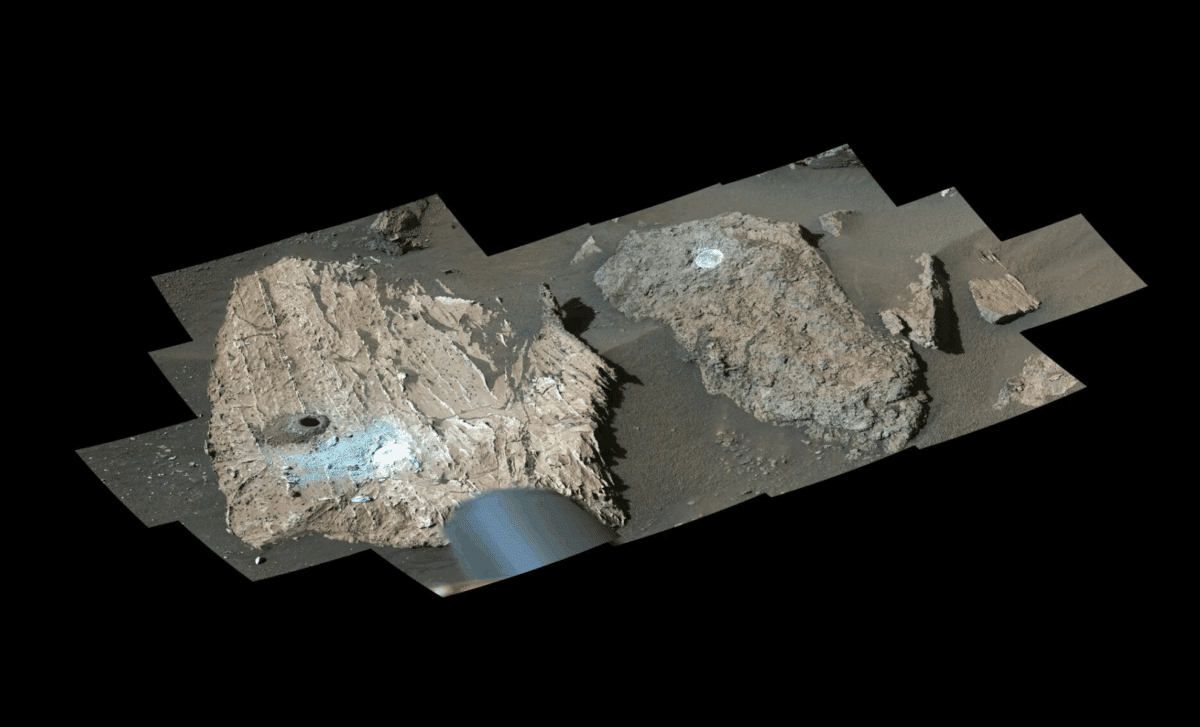
Preserved for billions of years, these samples could hold isotopic signs of past biological processes—or conclusively show that Mars never supported life on its surface.
European Labs Ready to Unveil Mars’ Hidden History
Leading science centers in Göttingen and beyond are preparing specialized labs to study Martian samples down to the atomic level. Their objective is to piece together Mars’ geological and atmospheric story in ways robotic missions alone cannot achieve.
“In Göttingen, we have the expertise and infrastructure to analyze Mars samples at the highest international level,” said Thorsten Kleine, Director at MPS.
These facilities feature meticulously controlled cleanrooms to avoid contamination, advanced mass spectrometers for precise isotopic measurements, and electron microscopes capable of detecting microscopic fossils. They aim to identify complex organic compounds, trace water-rock interactions, and determine whether Mars hosted environments suitable for life akin to early Earth.
To planetary scientists, this mission transcends pure research—it offers profound insight into the environmental factors that shaped Earth’s infancy and, potentially, the origins of life itself.
An Ambitious Mission Weighing Challenges and Discoveries
The Mars Sample Return campaign ranks among NASA’s most complex ventures, with delays raising concerns about soaring expenses and shifting goals. Still, many scientists argue that the possible breakthroughs justify the ongoing commitment. Every funding decision and mission adjustment carries the legacy of decades of anticipation.
Upon arrival, these samples will be preserved under stringent biosecurity protocols akin to those used for lunar materials and examined by international experts who have devoted their careers to this moment. Their findings could either reinforce the view of Mars as a barren wasteland or reveal it as a planet that once nurtured the chemistry necessary for life. Either scenario would deeply reshape humanity’s understanding of our place in the cosmos.
- Categories:
- Space






0 comments
Sign in to Comment