
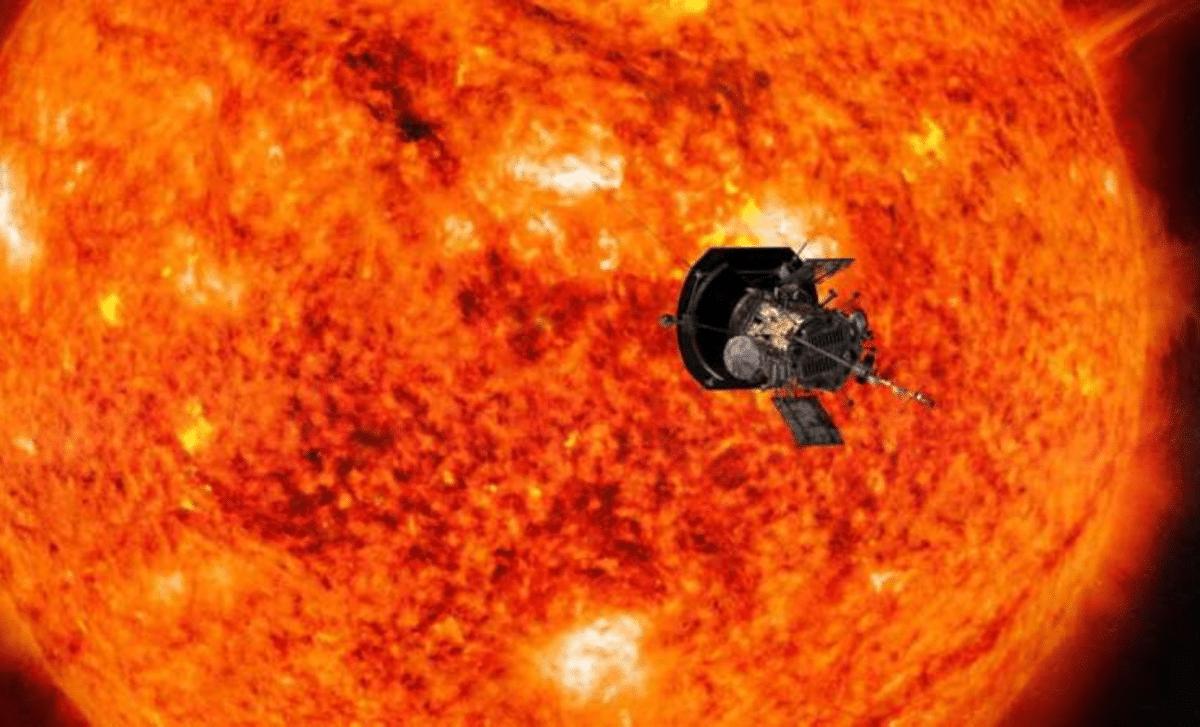
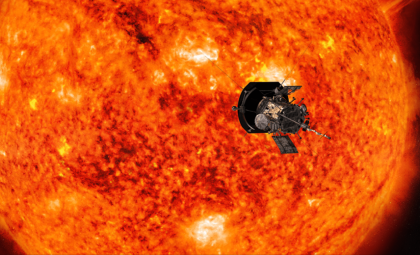
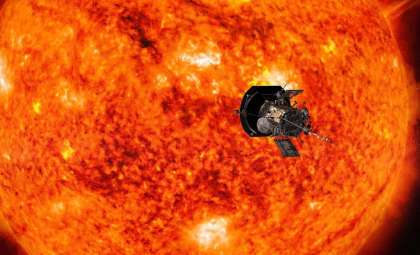
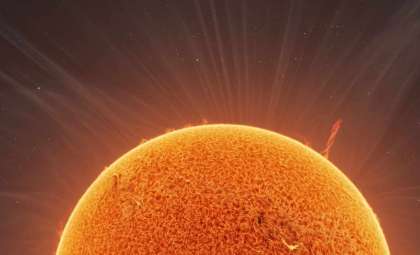
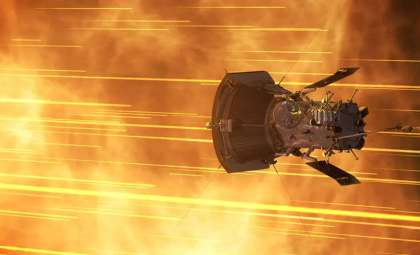
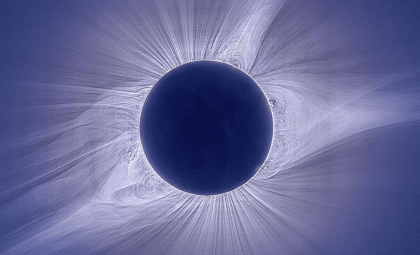
A major puzzle in understanding the Sun’s outer atmosphere may have found a fresh clue. Scientists studying data from NASA’s Parker Solar Probe have detected signs that microscopic charged dust particles near the Sun might play a crucial role in how energy is transported through the solar corona. This discovery offers a possible explanation for why the corona’s temperature soars to millions of degrees, while the Sun’s surface remains comparatively cool. Published in The Astrophysical Journal, the research adds dust grains to the mix, a factor previously overlooked in favor of plasma particles and magnetic field interactions.
Unexpected Discovery from the Parker Solar Probe Sheds Light on Solar Activity
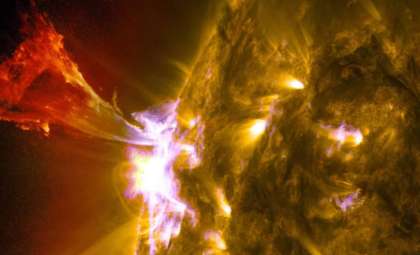
Scientists have long been perplexed by the fact that the Sun’s corona heats up to temperatures ranging from one to three million degrees Celsius, vastly exceeding the roughly 5,500 degrees Celsius of the visible solar surface. Traditional theories have concentrated on the dynamics of electrons, ions, magnetic fields, and plasma waves, with particular emphasis on kinetic Alfvén waves, which carry electromagnetic energy through the corona and transfer it to charged particles. However, new evidence suggests a previously neglected player: dust grains. Syed Ayaz, lead author and graduate research assistant at The University of Alabama in Huntsville (UAH)’s Center for Space Plasma and Aeronomic Research (CSPAR), highlights the importance of dust in this process.
Ayaz states,

“The higher temperature of the sun’s corona remains one of the major unsolved problems in heliophysics. For decades, researchers have focused mainly on how electrons, ions, magnetic fields and plasma waves transport and dissipate energy in the solar atmosphere. Kinetic Alfvén waves are especially important because they can carry electromagnetic energy through the corona and transfer that energy to particles, helping to heat and accelerate the plasma.”
The team’s findings broaden this understanding by incorporating the influence of electrically charged dust grains on the energy transfer dynamics.
Unexpected Survival of Dust in the Harsh Near-Sun Region
Dust grains have generally been excluded from corona heating theories on the basis that such fragile particles would be quickly obliterated by the intense heat. The extreme solar environment was thought to preclude dust’s meaningful presence. Yet, the Parker Solar Probe’s close flybys challenged this notion. Ayaz remarks,
“Our work adds a new ingredient to this picture: dust grains. Before the Parker Solar Probe, dust was not usually considered an active part of coronal heating models because dust grains—a million times more massive than electrons/ions—were not expected to survive the high temperature of the solar corona.”
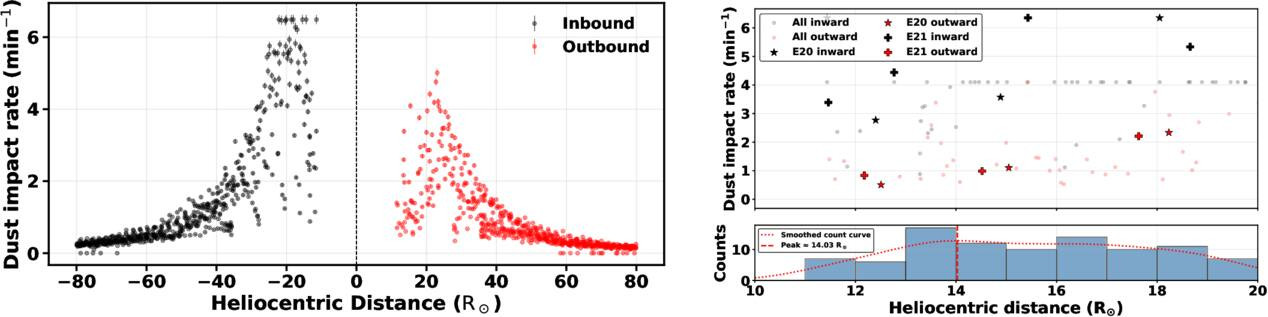
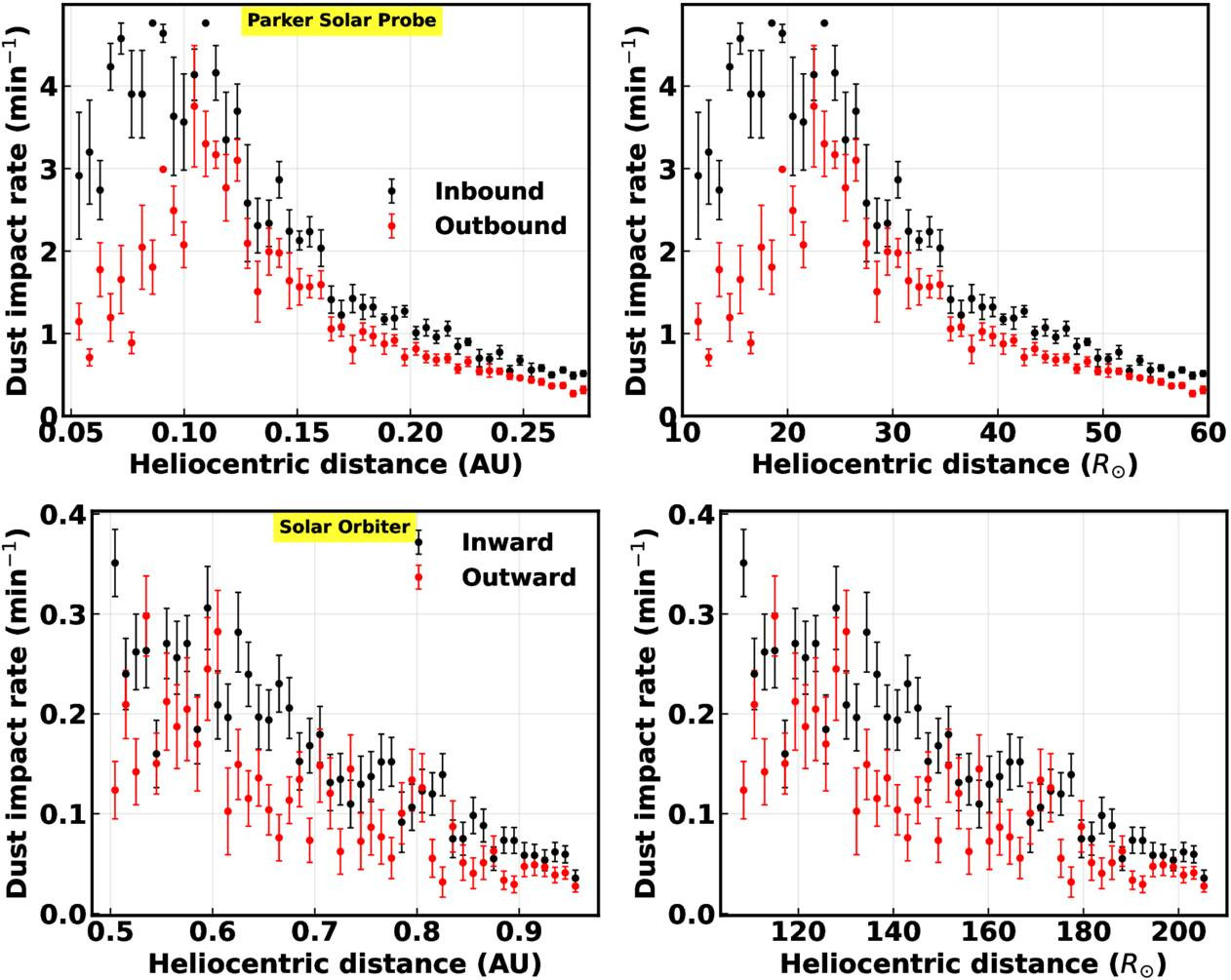
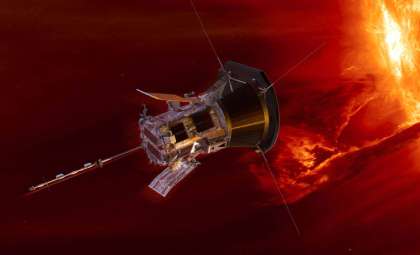
What astonished researchers further was the probe’s ability to detect dust impacts despite lacking specialized dust-detecting equipment. Ayaz explains, “The PSP can indirectly identify dust because tiny particles striking the spacecraft at high velocities vaporize, producing charged particle clouds. These events register as sharp voltage spikes in the FIELDS antennas, effectively turning the probe itself into a dust sensor.” This discovery reveals that dust persists much nearer to the Sun than previously recognized.
Charged Dust’s Role in Modifying Energy Propagation in the Corona
The published analysis in The Astrophysical Journal reveals that dust grains are more than inert debris drifting in space. Upon acquiring an electric charge through sunlight and plasma interactions, these grains actively influence the Sun’s electromagnetic fields. Ayaz elaborates, “Charged dust grains engage with electric and magnetic fields, affect plasma wave behavior, and alter the ways energy is moved and dissipated within the solar atmosphere.”
The study demonstrates two distinct effects of dust on kinetic Alfvén waves. “Dust mass increases the plasma’s inertia, which tends to slow these waves, allowing their energy to travel farther before being absorbed. Conversely, the dust’s electric charge intensifies the coupling between the wave, electric field, and charged particles,” Ayaz explains. These opposing forces are likely key in determining the sites where energy is released—either farther out into the corona and solar wind or more locally as particle heating.
Implications That Could Transform Understanding of Solar Physics
This research challenges the longstanding assumption that the Sun’s atmosphere can be accurately modeled as plasma consisting solely of electrons, ions, and magnetic fields. Ayaz points out, “While these remain crucial, our findings prove that charged dust grains also significantly impact the physical processes near the Sun.” The implications extend beyond refining existing theories, potentially offering a missing piece in the centuries-old question of how the corona attains its extreme temperatures and how the nascent solar wind gains energy as it escapes the Sun.
A New Frontier in Solar Science Research Emerges
Senior scientists involved with the investigation have welcomed the breakthrough enthusiastically. Dr. Gary Zank, distinguished space science professor at UAH and CSPAR’s director, regards the discovery as opening a completely new research path. “The detection of dust in the young solar wind by the Parker Solar Probe prompted Syed to pioneer a novel and unexpected research area in solar physics,” Zank comments. “This exciting development swiftly highlighted that dust presence could reshape our understanding of the persistent mystery of why the solar corona is so hot. Syed’s initial study signals a promising new paradigm, and his work will profoundly shape future solar physics insights.” Upcoming missions equipped with tailored dust sensors and advanced plasma wave tools will be instrumental to determine whether these dust particles are simply surviving near the Sun or playing an active role in its energetic environment.
- Categories:
- News



0 comments
Sign in to Comment