
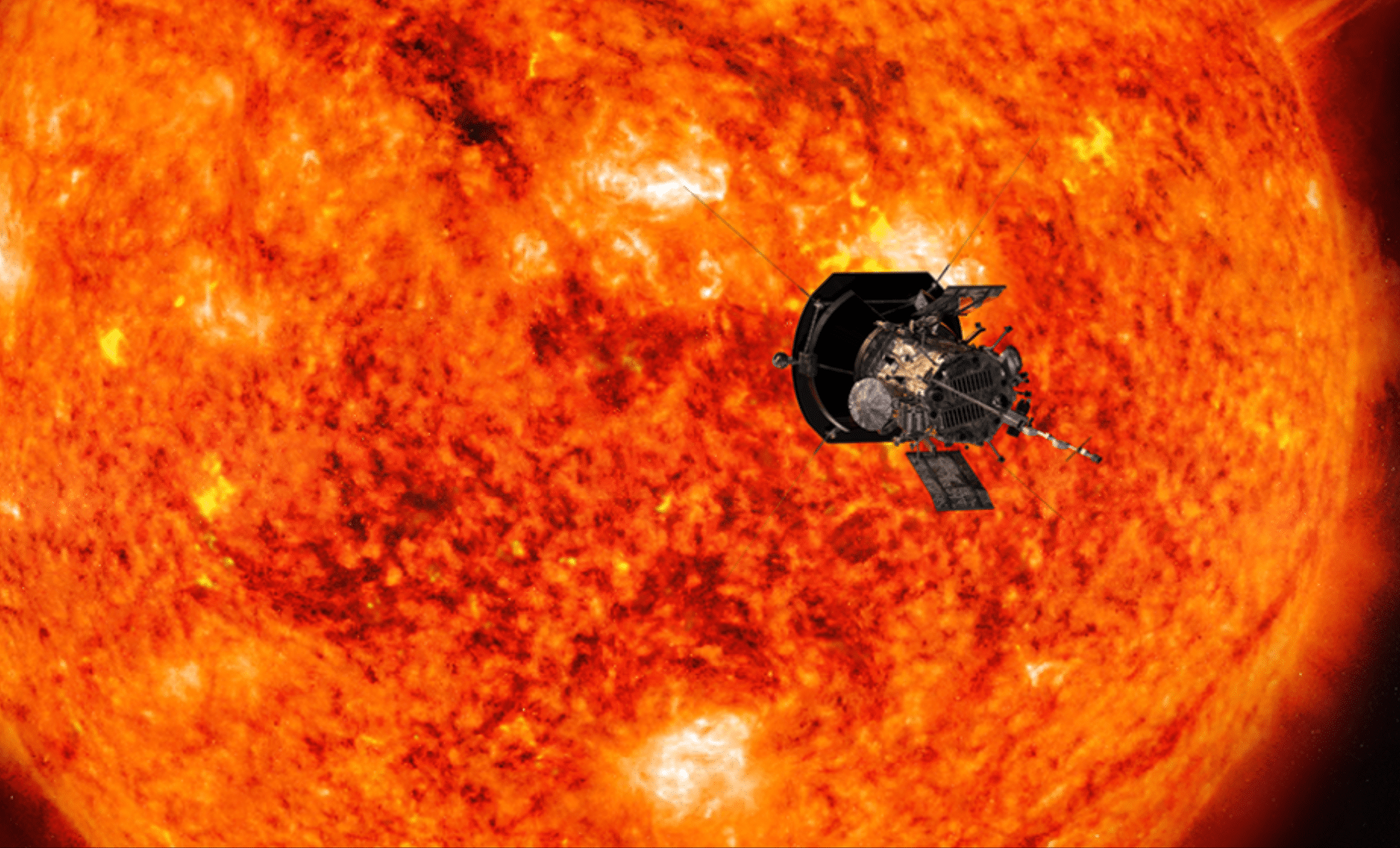
On September 15, 2025, NASA’s Parker Solar Probe reached a new chapter in solar exploration by completing its 25th close encounter with the Sun. This milestone, highlighted in a recent update from NASA’s Parker Solar Probe team, offers fresh insights into the Sun’s dynamics, solar wind behavior, and space weather conditions.
A Historic 25th Encounter with the Sun
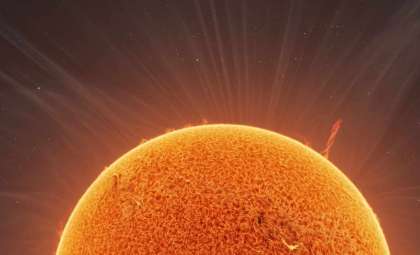
The Parker Solar Probe marked its 25th perihelion by approaching within a staggering 3.8 million miles (6.2 million kilometers) of the Sun’s photosphere, setting a new record for closest distance achieved by any spacecraft. This proximity places it deep within the Sun’s outer atmosphere, the corona. Maintaining speeds up to 430,000 miles per hour (687,000 kilometers per hour), the probe matched its previous velocity records noted in late 2024 and early 2025 during major solar passes.
Spanning September 10 to September 20, 2025, this flyby served as a crucial period for validating and utilizing the probe’s suite of scientific tools. Operating autonomously, the spacecraft collects solar data in real time, storing information for transmission only after safely exiting the Sun’s intense environment.

Unprecedented Exploration of the Solar Corona
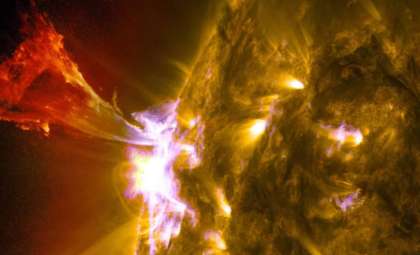
A defining strength of Parker lies in its ability to study the Sun’s corona directly. Equipped with four advanced instruments, the spacecraft observes solar wind properties, magnetic fields, and transient solar events such as coronal mass ejections (CMEs) and solar flares. These phenomena can have severe consequences for Earth, disrupting communication networks, GPS satellite function, and electrical infrastructure.
During its 25th close pass, Parker’s instruments acquired valuable data reflecting heightened solar activity as part of the Sun’s 11-year cycle. These measurements sharpen predictive models for space weather, enhancing the protection of astronauts and critical technology in orbit and on the planet. The findings also advance our understanding of underlying solar physics, particularly the mechanisms accelerating the solar wind.
The Crucial Role of Solar Wind and Space Weather Research
Part of NASA’s Living With a Star initiative, Parker’s mission centers on examining the Sun-Earth connection and how solar outputs influence terrestrial and space environments. This probe’s observations are essential for unraveling the behaviors of solar wind, especially during periods of increased solar disturbances.
Solar wind consists of streams of charged particles emitted by the Sun, varying in speed throughout its cycle. High-speed solar wind can trigger geomagnetic storms that interrupt satellites, GPS accuracy, and communication systems. More intense events like solar flares and CMEs can cause widespread power outages and pose hazards to astronauts. Through its comprehensive data collection, Parker helps develop safeguards against these hazards by improving space weather forecasting.
Looking Ahead: The Next Stages of the Parker Solar Probe
Following its landmark 25th flyby, the Parker Solar Probe continues its solar orbit to deepen humanity’s understanding of our star. Each future flyby promises to bring unprecedented perspectives on solar activity that no other mission can replicate. The ongoing mission plans include enhanced data gathering in 2026 and beyond, with a focus on the corona’s magnetic landscapes, vital for upcoming deep-space travel to destinations like Mars and the Moon where solar hazards must be managed carefully.
As the mission progresses, Parker Solar Probe is poised to revolutionize our knowledge of the Sun and its impact on space weather, helping pave the way for safer and more informed space exploration.
- Categories:
- News



0 comments
Sign in to Comment