
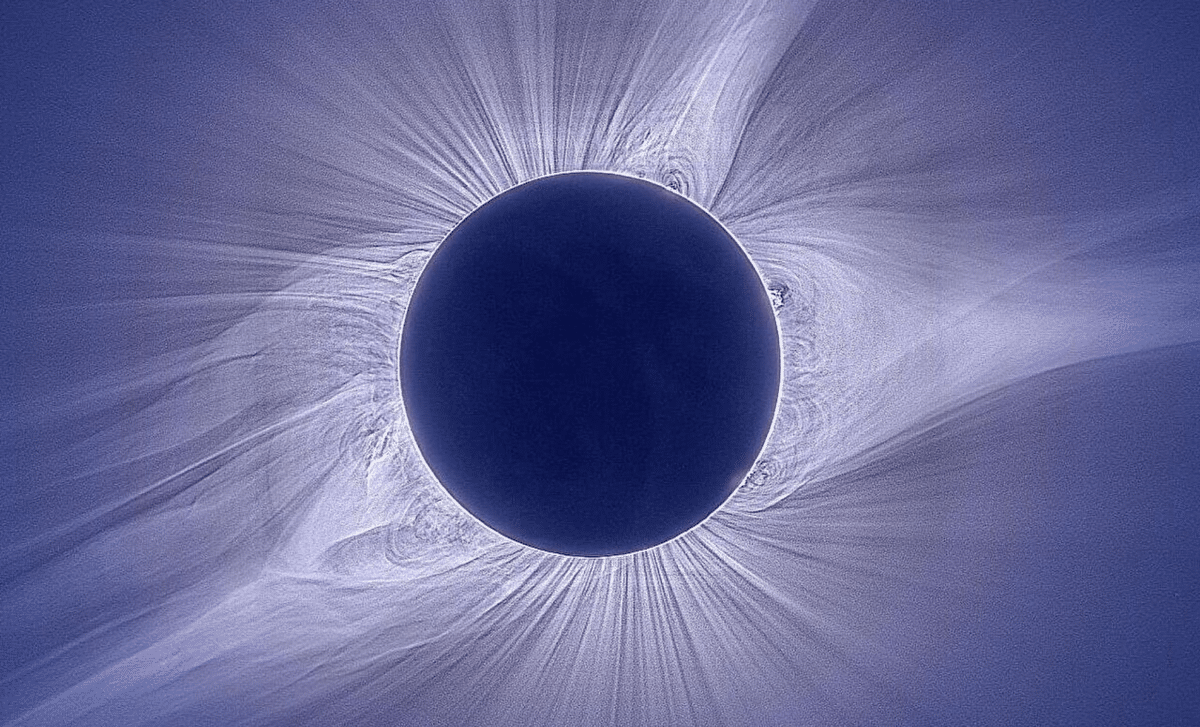
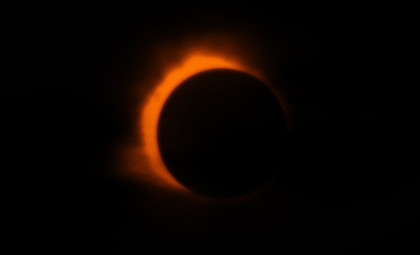
On April 8, 2024, a total solar eclipse captured the attention of millions worldwide as the moon briefly obscured the sun. In a pioneering initiative, NASA’s Eclipse Megamovie Project amassed a vast collection of data from 143 volunteer-operated observatories spread across the United States. This ambitious effort resulted in a treasure trove of 52,469 images showcasing the sun’s corona in unparalleled detail. Developed in partnership with Sonoma State University, UC Berkeley, and NASA’s Goddard Space Flight Center, this dataset is set to significantly deepen our understanding of solar dynamics and is expected to advance research into phenomena like coronal mass ejections.
Citizen Scientists: Key Players in a Landmark Study
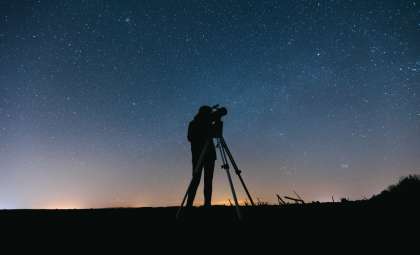
The standout feature of this project is the vital contribution of citizen scientists, who used personal equipment to capture eclipse images from diverse locations across the United States. This coordinated effort provided researchers with an extensive range of perspectives on the corona during the fleeting eclipse event. The images, captured under varying altitudes and environmental conditions, enrich the dataset’s diversity. Guided by experts from Sonoma State University and UC Berkeley, these volunteers helped assemble the first-ever comprehensive white-light eclipse image collection.
This project illustrates the power of citizen science in assembling extensive datasets beyond the reach of traditional professional observatories. Collectively, volunteers contributed over 52,000 stunning photographs, each documenting the ever-shifting solar environment, including dramatic features like coronal mass ejections and solar plumes.

A Trailblazing Dataset to Propel Solar Research Forward
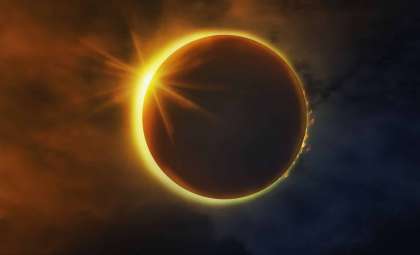
The extraordinary detail captured in this dataset highlights the sun’s corona—the outermost layer of the solar atmosphere—visible during the eclipse’s peak. While this luminous halo is usually hidden by the sun’s glare, the eclipse revealed it for just a brief moment. Thanks to the meticulous efforts of the volunteers, this fleeting event was documented with more than 90 minutes of high-definition imaging. These invaluable observations offer researchers fresh insights into solar behavior, enhancing our understanding of solar flares and coronal mass ejections (CMEs), phenomena that directly affect space weather surrounding Earth.
The dataset is organized into three distinct categories according to image processing: raw, unprocessed Level 1 images; scientifically calibrated Level 2 data; and Level 3 images in the Flexible Image Transport System (FITS) format favored by NASA and the International Astronomical Union (IAU). This tiered setup ensures researchers receive precisely the data quality needed for comprehensive solar investigations.
Synergized Efforts Between NASA and Academia
This monumental project was made possible through collaboration among NASA, Sonoma State University, UC Berkeley, and NASA’s Goddard Space Flight Center. Led by astronomers including EdEon STEM Learning programmer Troy Wilson, the team developed a careful strategy to optimize data collection well ahead of the eclipse. Bringing together leading solar scientists and robust infrastructure, the partnership enabled the management and processing of the enormous volume of eclipse imagery.
Employing NASA’s expertise in advanced data analysis technologies, the team ensured the data’s precision and dependability. Beyond enhancing the scientific quality, the collaboration also prioritized making the dataset openly available, fostering engagement among enthusiasts, educators, and researchers alike.
Open Access to Solar Data Encourages Public Science Participation
The Eclipse Megamovie Project stands out for its commitment to public access, providing a unique opportunity for anyone to explore detailed solar images. An online portal organizes the data by observatory site and processing level, making it straightforward for both hobbyists and professionals to dive into the dataset. Through this transparency, NASA intends to inspire collaboration and fuel interest in solar science among the next generation.
This accessibility also supports educational initiatives, enabling students and teachers to explore solar phenomena firsthand. By welcoming public involvement, NASA is building broader awareness of solar activity and its potential effects on Earth’s environment.
Looking Ahead: Advancing Solar Science with Groundbreaking Data
The public release of the Eclipse Megamovie dataset marks a pivotal point for solar physics research. Scientists can now monitor solar events such as solar flares, coronal mass ejections, and solar wind interactions in unprecedented detail. Understanding these processes is crucial as they can disrupt satellites, communication systems, and power infrastructure on Earth. Enhanced predictive models stemming from this research could improve preparedness for such solar storms, protecting technology-dependent societies.
This rich dataset will complement ongoing missions like NASA’s Parker Solar Probe, which ventures closer to the sun than ever before. Together, these efforts will offer a fuller picture of the sun’s complex behavior and guide future solar studies.
- Categories:
- News






0 comments
Sign in to Comment