
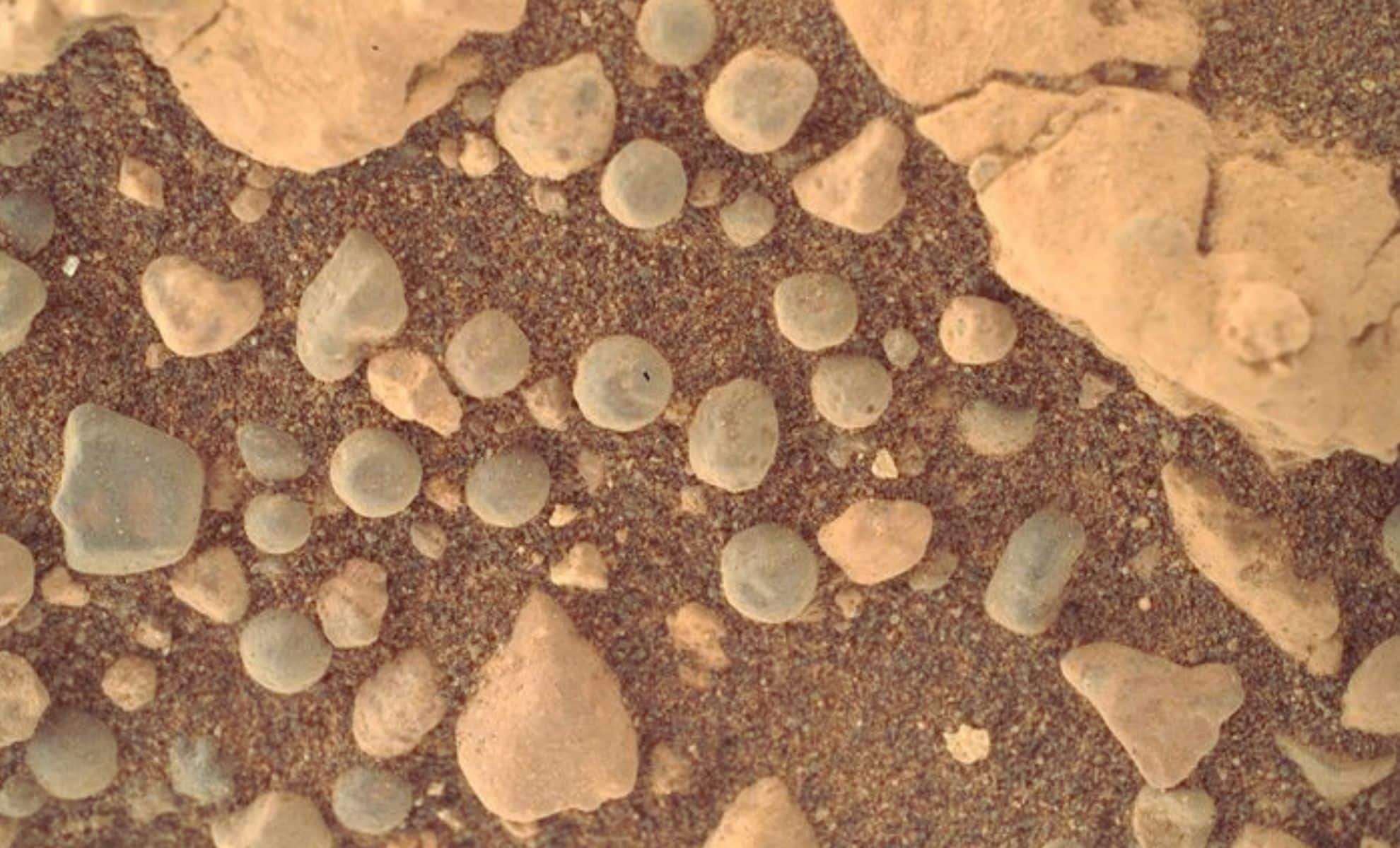
NASA’s Perseverance rover has recently uncovered nearly flawless spherical objects on Mars, stirring curiosity among planetary scientists. Located in the Rowsell Hill region of Jezero Crater, these basalt-based spheres differ from the hematite “blueberries” that Opportunity rover found years ago. Their unique composition suggests they may have formed through volcanic activity or meteoroid impacts, offering fresh insights into Mars’ tumultuous geological past.
This discovery complements earlier findings highlighted in NASA’s blog post by Andrew Shumway, a Postdoctoral Researcher at the University of Washington. The blog underscores the value of these spherical formations as evidence of forceful, ancient processes shaping the planet’s surface, including possible volcanic eruptions or impact events.
Detailing the Perseverance Rover’s Latest Findings on Martian Spheres
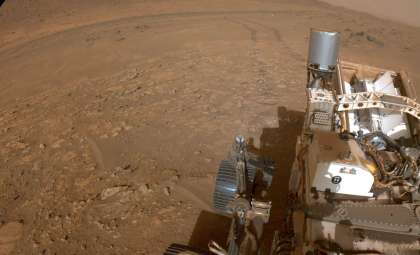
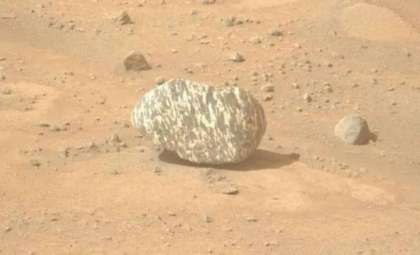
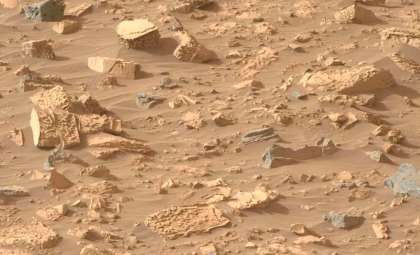
NASA’s Perseverance rover, operating as part of the Mars 2020 mission, continues its meticulous exploration of Jezero Crater, aiming to uncover clues about Mars’ ancient environment and potential past life. During its recent examinations, the rover captured high-quality images of these almost perfectly round basalt spheres, some embedded within rock, others scattered on the surface.

Though these spheres resemble the hematite-rich “blueberries” found by the Opportunity rover, they differ notably in their makeup and origin. The Opportunity spheres formed within watery environments, while Perseverance’s basalt spherules suggest formation via either volcanic eruptions or meteoric impacts, pointing to distinct geological mechanisms at work.
The basalt composition of these spheres presents a promising opportunity for scientists to investigate Mars' potentially more violent and geologically active past, inviting new hypotheses about the planet’s developmental history.
Exploring Mars’ Explosive History Through Perseverance’s Lens
On July 5, 2025, Perseverance’s WATSON camera, located on its robotic arm, photographed the spherical formations at Rowsell Hill in great detail. Mission scientists emphasize that these formations differ from the hematite “blueberries” studied previously, primarily due to their basaltic nature. This points toward origins involving either violent volcanic activity or high-energy meteoroid impacts, both processes capable of producing such spheres.
One intriguing formation theory suggests that molten droplets from meteoroid collisions cooled mid-air, creating spherical shapes as they solidified. Alternatively, molten lava expelled during volcanic eruptions may have rapidly cooled into rounded spheres. Both scenarios signify intense geological events instrumental in shaping Mars’ landscape.
As Perseverance gathers more data, its findings will help researchers trace Mars' dynamic geological narrative, shedding light on how these unique formations came to be and what they tell us about the Red Planet’s past environments.
Disentangling the Origins of Martian Spherical Formations
Scientists analyzing Perseverance’s spherical discoveries have contemplated whether these objects formed due to meteoroid impacts or volcanic activity. Both processes involve intense heat capable of producing molten droplets that solidify into spheres.
While earlier speculation suggested formation within watery settings, chemical analysis reveals a basaltic makeup consistent with cooling molten rock rather than sedimentary hematite. This narrows the formation origins to either impact melt droplets or volcanic ejecta.
In the impact scenario, molten rock droplets produced by meteoroid collisions cool into spherical shapes as they fall back to Mars’s surface. Alternatively, volcanic eruptions could have spewed molten lava droplets that cooled rapidly, forming these spheres.
Deciphering Mars’ Geological Past Through Spherule Study
The basalt spheres discovered at Rowsell Hill provide scientists with a valuable window into Mars’s geological saga. If created by meteoroid impacts, their composition could reveal insights about the types of space debris that have struck Mars over billions of years, enhancing understanding of early solar system dynamics.
On the other hand, if volcanic activity generated these objects, they may offer clues about previously unrecognized episodes of Mars’ volcanism, contributing to reshaping its surface and atmosphere. These clues could deepen knowledge of how volcanic forces influenced Martian habitability.
Perseverance’s ongoing expedition is therefore crucial in uncovering the mysteries behind Mars’ formation and evolution.
Perseverance’s Advanced Imaging Illuminates Martian Surface Details
A standout feature of Perseverance’s investigation is the high-definition imagery captured by the WATSON camera, enabling scientists to observe the spheres with exceptional clarity. These sharp visuals expose fine textures and characteristics of the spherules, which were not visible in prior missions.
Additionally, instruments like PIXL (Planetary Instrument for X-ray Lithochemistry) analyze elemental makeup, enriching the understanding of the spheres’ origins and their geological context. Integrating these data sets allows researchers to construct a detailed portrait of these fascinating Martian features.
The combination of spectacular imagery and comprehensive chemical analysis promises to deepen insights into Mars' volatile past and its capacity to harbor life.
- Categories:
- News





0 comments
Sign in to Comment