
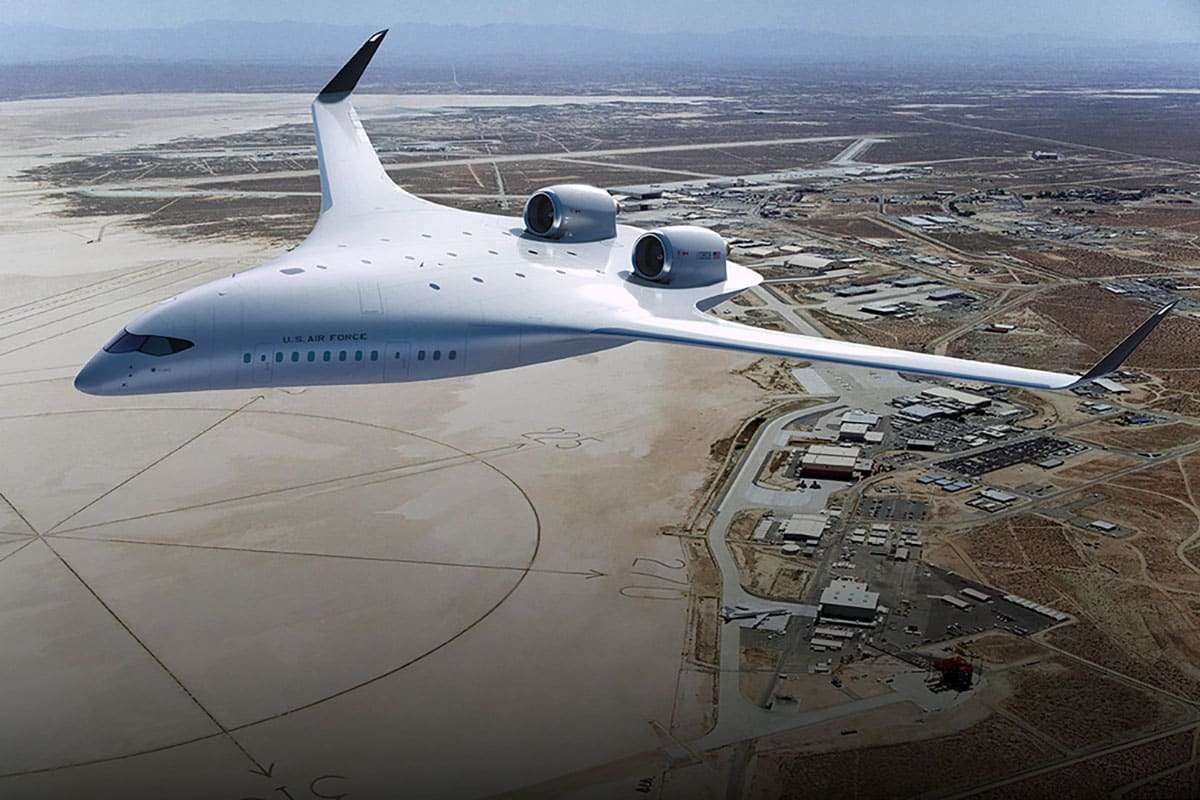
The Natilus Horizon represents a significant leap in aerospace design, featuring a blended wing body structure that merges the wings with the main fuselage. This innovative approach offers several benefits, including:
- Greater fuel economy
- Expanded passenger capacity
- Enhanced aerodynamic performance
- Lower carbon output
Capable of seating up to 200 travelers with a flexible cabin layout, the Horizon aims to redefine long-distance air travel. Its unique design provides 40% more cabin room than traditional cylindrical fuselages, promising a new level of comfort on transoceanic journeys.
The Horizon’s appearance is not just futuristic—it’s a strategic answer to aviation’s pressing challenges. By improving lift distribution and cutting drag, this next-generation aircraft delivers an impressive 30% decrease in fuel usage compared to today’s commercial jets, marking a vital advancement for airlines targeting net-zero emissions by 2050.

We are thrilled to announce the world premiere of the HORIZON blended wing body aircraft, a game-changer in sustainable commercial aviation. This aircraft provides 50% less emissions, 40% greater capacity, and is 25% lighter.#aviation #aerospace #sustainability #sandiego pic.twitter.com/ceL5cTLcsV
— NATILUS (@NatilusAero) October 23, 2024
Understanding the Aerodynamics Behind the Blended Wing Design
While the blended wing body concept has existed in theory, its adoption in commercial planes is revolutionary. Conventional aircraft typically rely mostly on their wings for lift, with the fuselage contributing a minimal part. The Horizon flips this model by distributing lift much more evenly:
Component Lift Contribution Wings 50% Fuselage 50%
This equal lift-sharing approach combined with drastically lowered drag allows the Horizon to reach exceptional fuel savings. Additionally, by removing the need for extra reinforcements around windows, the aircraft reduces weight and boosts overall performance.
The aerodynamic benefits also enable the use of smaller, more efficient engines. This opens the door for alternative power sources, such as hydrogen fuel cells, which Natilus plans to experiment with in its cargo model, the Kona.
Innovating Air Travel While Staying Airport-Friendly
One standout feature of the Horizon is its ability to operate within current airport systems. Despite its distinctive silhouette, this plane is engineered to:
- Connect with existing jet bridges
- Fit conventional airport gates
- Use standard runways
- Work seamlessly with current air traffic control
This design ensures a straightforward integration for airlines and airports, making the Horizon a feasible upgrade rather than a disruptive overhaul. Comparable in size to the Boeing 737 and Airbus A320, it offers longer range and a more comfortable cabin experience, appealing to operators considering fleet modernization.
Natilus’ confidence in the Horizon is backed by progress: a demonstrator aircraft has already taken flight, and the company expects to unveil the Kona cargo version by the decade’s end. A commercial rollout is anticipated in the early 2030s, aligning with the aviation sector’s sustainability targets.
A Flight Path to Environmental Responsibility
As airlines face increasing pressure to cut emissions, the Horizon stands out as a forward-thinking solution. Its cutting-edge design and significant efficiency improvements mark vital progress in creating greener skies. By slashing fuel use and exploring cleaner propulsion technologies, Natilus confronts the environmental issues the industry has struggled with for years.
Beyond its eco-friendly credentials, the Horizon's roomy interior and enhanced passenger comfort could transform the experience of long-haul travel. With demand growing for sustainable and pleasant flying options, this aircraft is well-positioned to lead the next chapter in aviation—one that balances efficiency, comfort, and ecological responsibility.
- Categories:
- Aircraft











0 comments
Sign in to Comment