
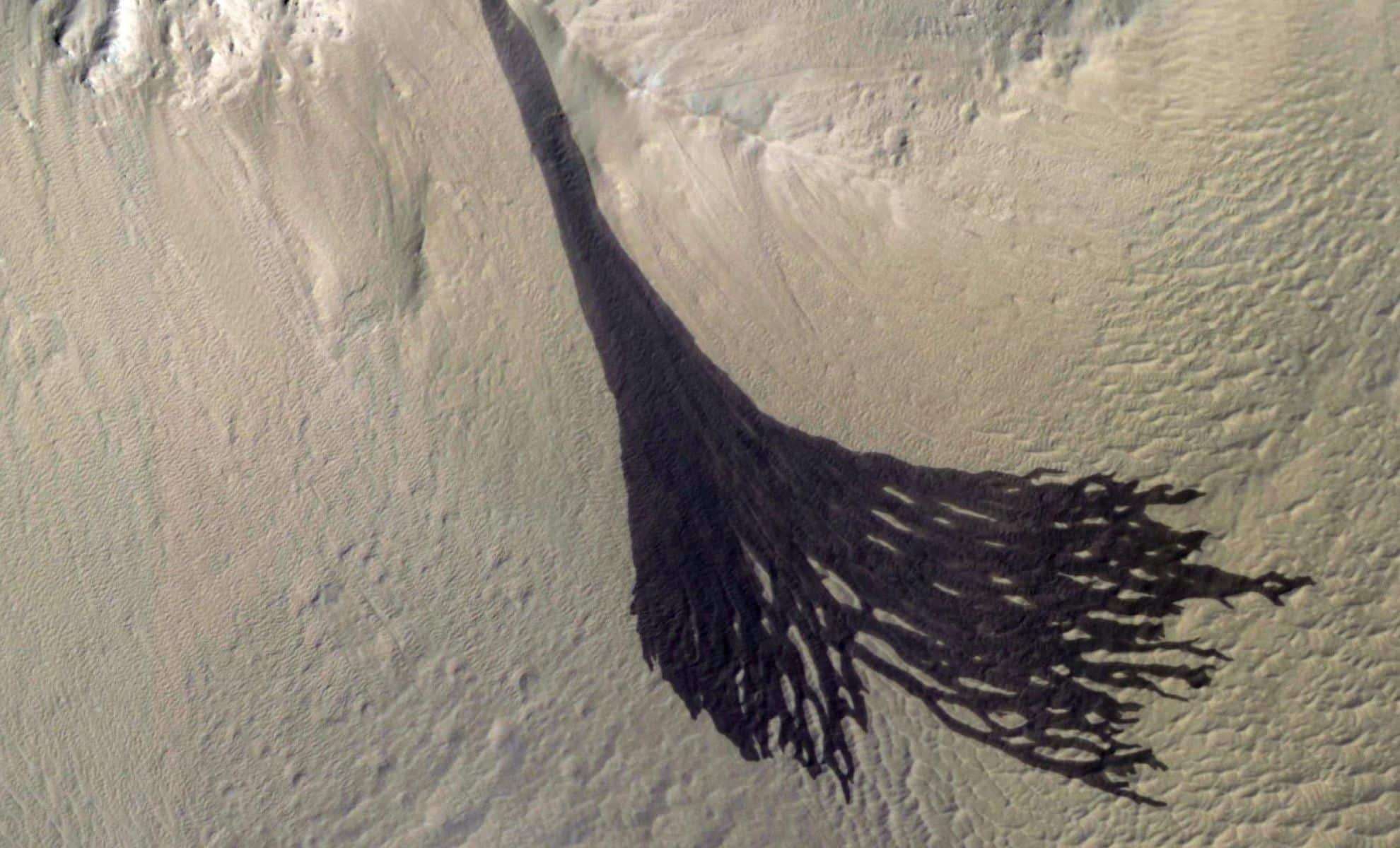
For years, the dark, elongated marks visible on Mars’ surface were interpreted as indicators of flowing water, igniting hopes for finding signs of ancient life. Initially spotted during NASA’s Viking missions in 1976, these streaks seemed to represent evidence of liquid water activity. Yet, the latest research using advanced artificial intelligence techniques reveals a different explanation: these marks likely do not result from liquid water at all.
Groundbreaking AI Research Challenges Old Beliefs
The dark markings, known as “slope streaks,” have long intrigued scientists who believed they might be leftovers from old watery flows, potentially hinting at Mars’s habitability in the past. Typically found on steep slopes such as crater walls and cliffs, some experts hypothesized that seasonal warming might cause ice or frozen saline water to melt, generating temporary streams on the Martian surface.
However, research published on May 19 in Nature Communications overturns this perspective. By training an AI model to identify slope streak features, scientists examined an extensive dataset comprising 86,000 orbital images and cataloged more than 500,000 individual streaks scattered across the planet. The conclusions were definitive and surprising.

Wind and Dust Dynamics Behind the Streaks
Planetary scientist Adomas Valantinas from Brown University, involved in the study, explained that this innovative AI-driven analysis enabled insights unattainable with earlier methods: “Our investigation found no supporting signs of water involvement; instead, our findings point towards dry formation mechanisms.”
By correlating the streaks’ locations with environmental variables such as wind intensity and dust deposition, the team determined that these marks most frequently form where airborne dust and wind activity are substantial.
The study proposes that the streaks are primarily created through the movement of fine dust sliding down steep Martian inclines, triggered chiefly by wind and dust settling rather than by liquid water flows. Earlier theories suggesting that temperature-induced melting of saline ice produced these streaks are challenged by the AI’s strong link between streak formation and atmospheric dust dynamics.
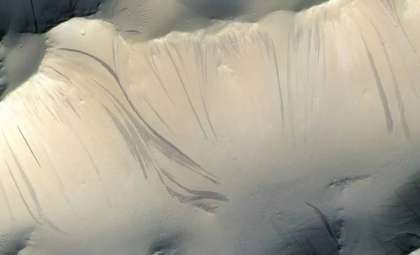
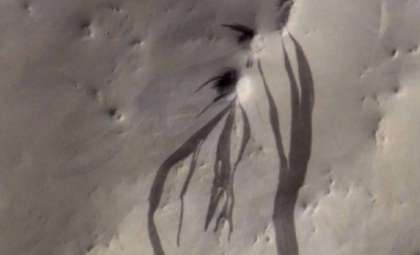
Dark Slope Streaks Split on Mars | What is creating these dark streaks on Mars? No one is sure. Candidates include dust avalanches,evaporating dry ice sleds, and liquid water flows. What is clear is that the streaks occur through light surface dust and expose a deeper dark layer. pic.twitter.com/odPnoGX9YA
— Domenico (@AvatarDomy) September 30, 2023
Implications for Future Mars Exploration
These new insights could reshape how upcoming Mars missions prioritize their targets, especially those devoted to detecting water or past life. If dust processes dominate the formation of slope streaks, exploration efforts may pivot away from these features to other more promising sites. As Valantinas noted, “Leveraging large datasets from orbit allows us to discard certain hypotheses before proceeding with costly surface missions.”
This AI-enabled discovery optimizes research approaches by preventing the allocation of resources toward regions previously presumed to be water-rich. With hundreds of thousands of streaks on Mars, refining the search with this knowledge will help mission teams focus on better candidates for uncovering signs of life.
Mars continues to captivate scientists who seek to understand its potential for having once harbored life. While past findings highlighted water-related minerals and ancient lakebeds, these latest results offer a crucial shift in understanding. With water-driven formation less likely for the dark streaks, researchers must adapt their strategies and target other locations that might hold stronger signs of habitability.
- Categories:
- News








0 comments
Sign in to Comment