
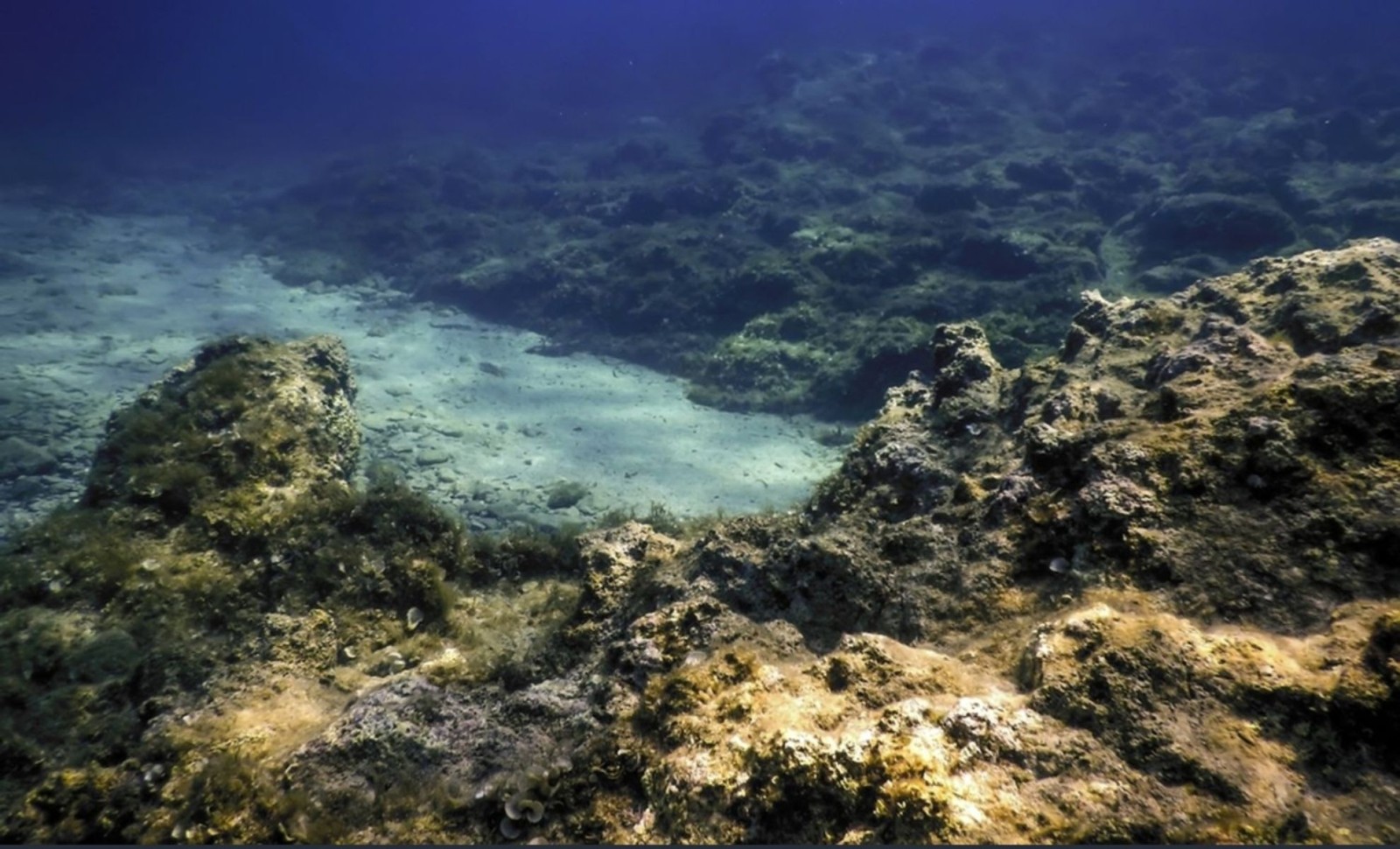
Researchers have uncovered a surprising phenomenon occurring in the depths of the Pacific Ocean, where sunlight never penetrates. At extreme depths, oxygen is being produced despite the complete absence of light.
This breakthrough, detailed in Nature Geoscience and observed around 13,000 feet underwater, challenges established ideas about oxygen formation and may reshape our understanding of oxygen’s origins on Earth. The study, conducted by Professor Andrew Sweetman of the Scottish Association for Marine Science, proposes an alternative oxygen-generating mechanism independent of sunlight.
Unraveling Oxygen Production in the Abyss
The investigation took place in the Clarion–Clipperton Zone (CCZ) of the Pacific Ocean, an area notable for its dense concentrations of polymetallic nodules—metal-rich rocks containing manganese, iron, and copper. With increasing attention on these nodules due to potential deep-sea mining, the team’s findings reported in Nature Geoscience arrive at a critical juncture for oceanic resource management.

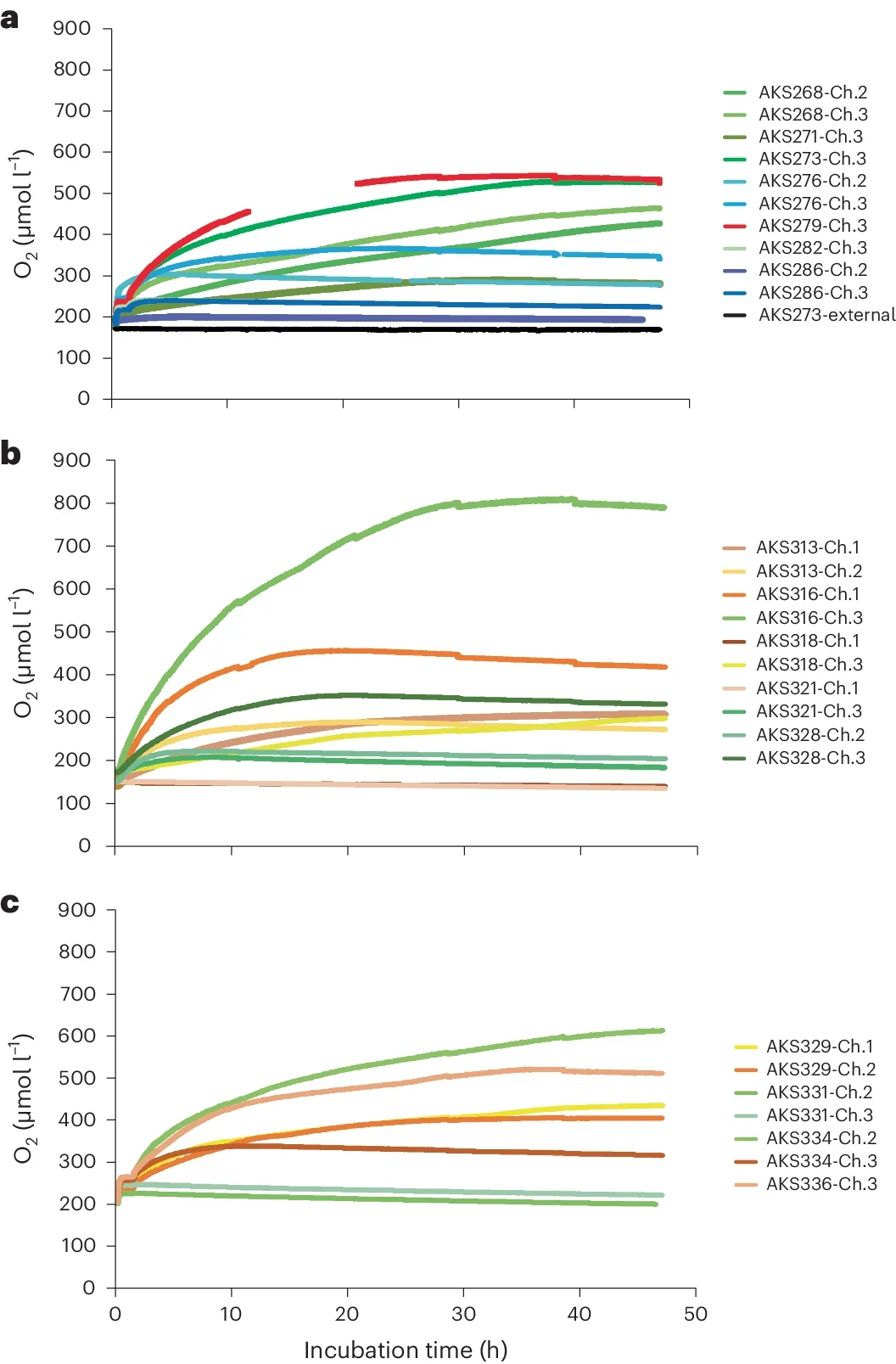
Utilizing a robotic lander equipped with oxygen-sensing chambers placed directly on the seafloor, scientists meticulously monitored oxygen variations and stumbled upon an astonishing observation.
During the 47-hour experimental period, oxygen concentrations within these chambers steadily climbed—rising dramatically by as much as threefold in certain instances. Given the complete darkness of the environment, traditional photosynthetic processes were not possible, making this oxygen increase unexpected and groundbreaking.
Could Seafloor Nodules Act as Oxygen Catalysts?
Rather than inert metallic lumps, these scattered mineral nodules appear to facilitate oxygen generation via chemical reactions on their surfaces. The study indicates that when sediments covering the nodules are disturbed, exposing fresh mineral surfaces, this triggers oxygen-producing reactions in the surrounding seawater.
“Through this discovery, we have generated many unanswered questions and I think we have a lot to think about in terms of how we mine these nodules, which are effectively batteries in a rock,” Andrew Sweetman explained.
The research further demonstrated that larger exposed nodule surface areas corresponded to higher oxygen output, highlighting an underestimated role of seafloor chemistry in regulating oceanic oxygen dynamics. This discovery paints the seafloor as a previously hidden chemical powerhouse, bustling with reactions that are only now being recognized and explored.
- Categories:
- News












0 comments
Sign in to Comment