
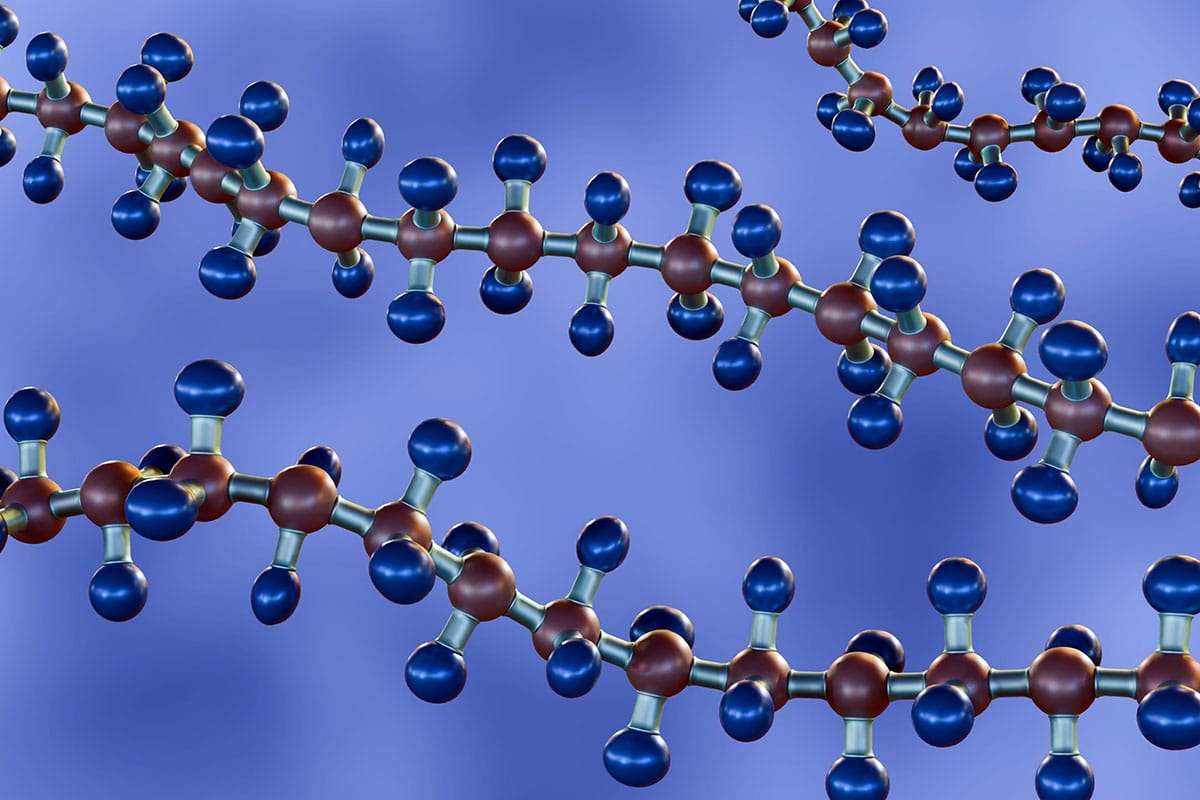
Scientists at Northwestern University have developed a groundbreaking material poised to enhance bulletproof vests and military protective gear. This new substance combines ultralight weight with exceptional strength, promising transformative improvements in personal armor critical to global security efforts.
What Sets This Material Apart?
This novel creation is the world’s first mechanically interlocked two-dimensional (2D) polymer. Unlike conventional materials bonded chemically, this polymer relies on mechanical interlocking at the molecular level, yielding a single-layer structure that is remarkably light. This distinctive bonding imparts both robustness and flexibility, ideal for scenarios demanding swift movement and reliable protection.
Such a material could revolutionize armor design by offering enhanced safety without compromising comfort or mobility, traits vital for military and law enforcement personnel.

Historical Context: The Journey to This Discovery
The origins of this innovation trace back to the pioneering work of chemist Fraser Stoddart in 1980, whose research on mechanically interlocked molecules earned him the Nobel Prize in 2016. Building on this foundation, researchers have aimed to incorporate these unique molecular connections into polymers.
Years of diligent exploration have now led the Northwestern team to a major breakthrough in polymer science, unlocking new possibilities for mechanically interlocked molecular frameworks in protective materials.
The Experimental Process
Madison Bardot, a doctoral researcher in Northwestern's Dichtel lab, was integral to this achievement. She employed X-shaped monomers as the fundamental units, arranging them into precise crystalline patterns that maintain atomic regularity.
Although highly crystalline materials often tend to be rigid and fragile, this polymer exhibits unusual flexibility. According to the Dichtel research group, its mechanical bonds possess inherent mobility, enabling the structure to be both durable and pliable.
Notable Features of This Polymer
The 2D polymer films boast a staggering density of mechanical bonds—approximately 100 trillion per square centimeter—the highest density observed to date. This intricate network ensures the material’s impressive strength and endurance while remaining lightweight.
Additionally, the polymer’s ability to dissolve in solution allows individual monomer sheets to be isolated and modified, enhancing adaptability for diverse applications.
Collaborative Efforts and Practical Implications
In partnership with Duke University, the researchers tested the polymer’s integration with Ultem, a high-performance polymer fiber related to Kevlar, known for its heat and chemical resistance. Incorporating just 2.5% of the new polymer significantly reinforced Ultem’s mechanical properties.
These enhancements hold great promise for military gear where balancing protection and weight is critical. The development facilitates the creation of armor that provides superior defense while preserving agility for users.
Looking forward, advancements like this exemplify how innovative materials research can contribute to safer protective solutions globally, reflecting a commitment to technological progress that saves lives efficiently and effectively.
- Categories:
- Trends















0 comments
Sign in to Comment