
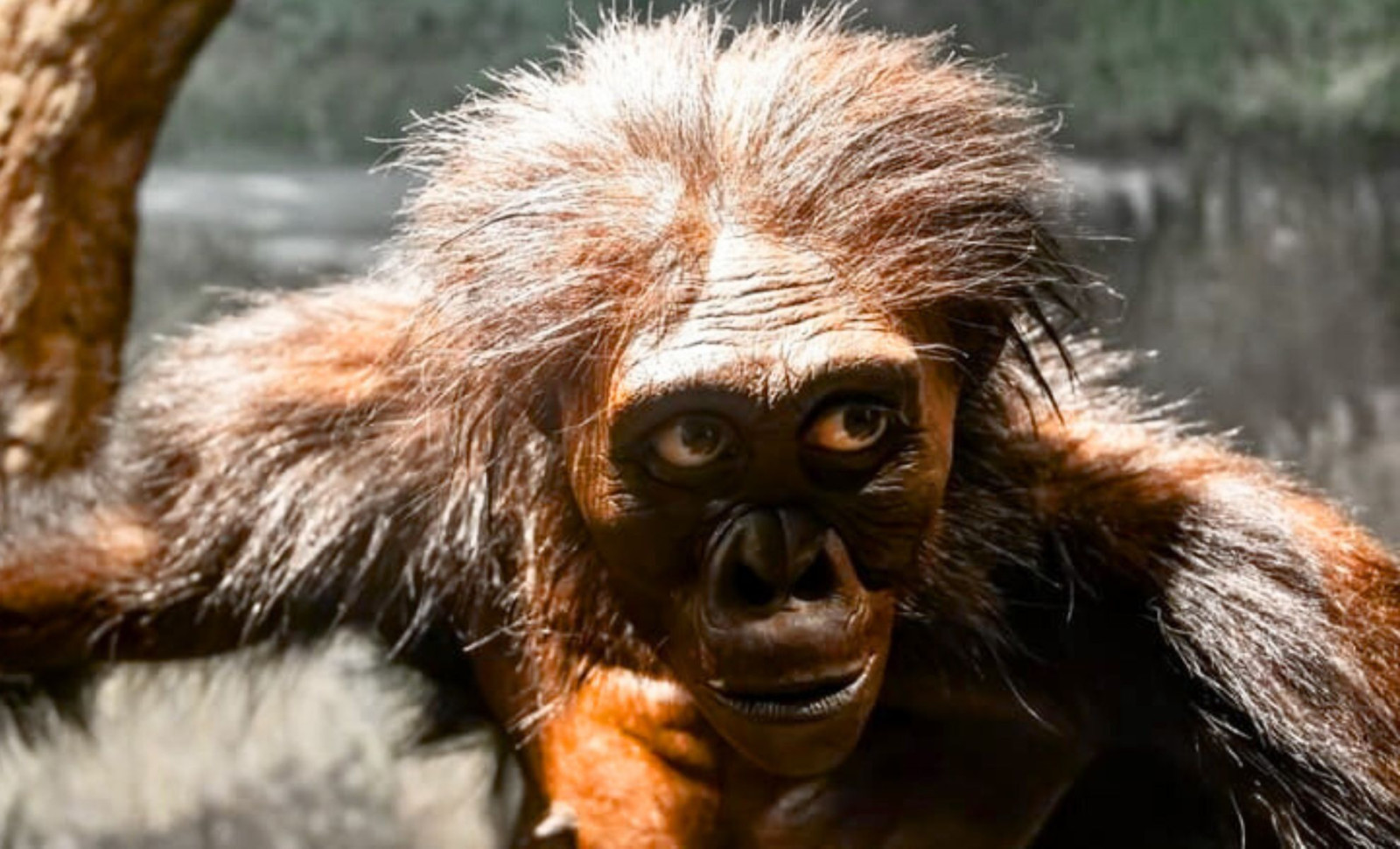
A fossilized foot unearthed from the northern Ethiopian deposits has reignited debates in paleoanthropology about how many early hominin species lived simultaneously and what evolutionary routes they followed.
Discovered in the early 2010s, this fossil had long hinted at its importance, but recent fossil correlations and cutting-edge analyses have led to a clearer understanding of its origins. The outcome is a fresh perspective on a less renowned hominin species that likely lived alongside Australopithecus afarensis, the species famously represented by Lucy.
Though small, these preserved bones carry weighty evolutionary implications, suggesting that during the mid-Pliocene, several hominin species explored bipedalism, each adapting differently to their particular environmental conditions.

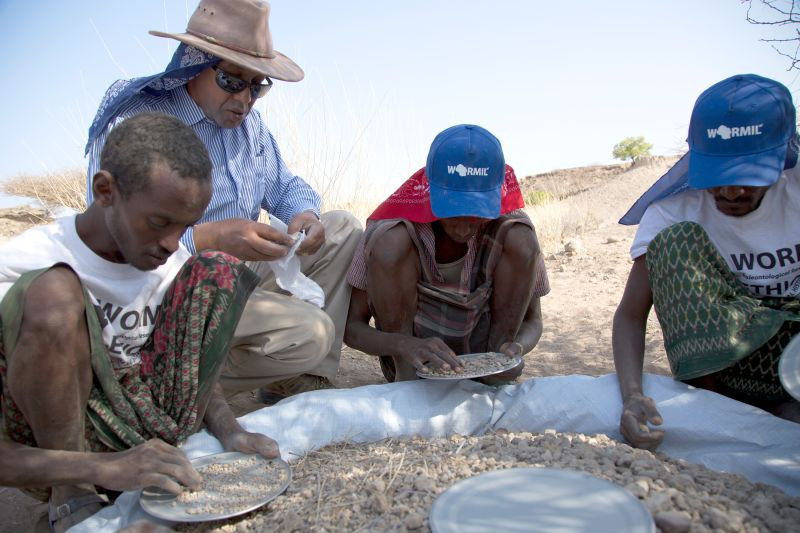
Published in Nature in early 2026, the study builds on over ten years of excavation in Ethiopia’s Woranso-Mille region, combining anatomical, geological, and isotopic analyses.
Foot Fossil Identified as Australopithecus deyiremeda, Distinct from Lucy’s Lineage
Scientists now assign the specimen BRT-VP-2/73 to Australopithecus deyiremeda, a species first described in 2015 from partial jaws and teeth found nearby. The foot exhibits a combination of features conducive to grasping, such as a big toe adapted for climbing, alongside adaptations suited for upright walking.
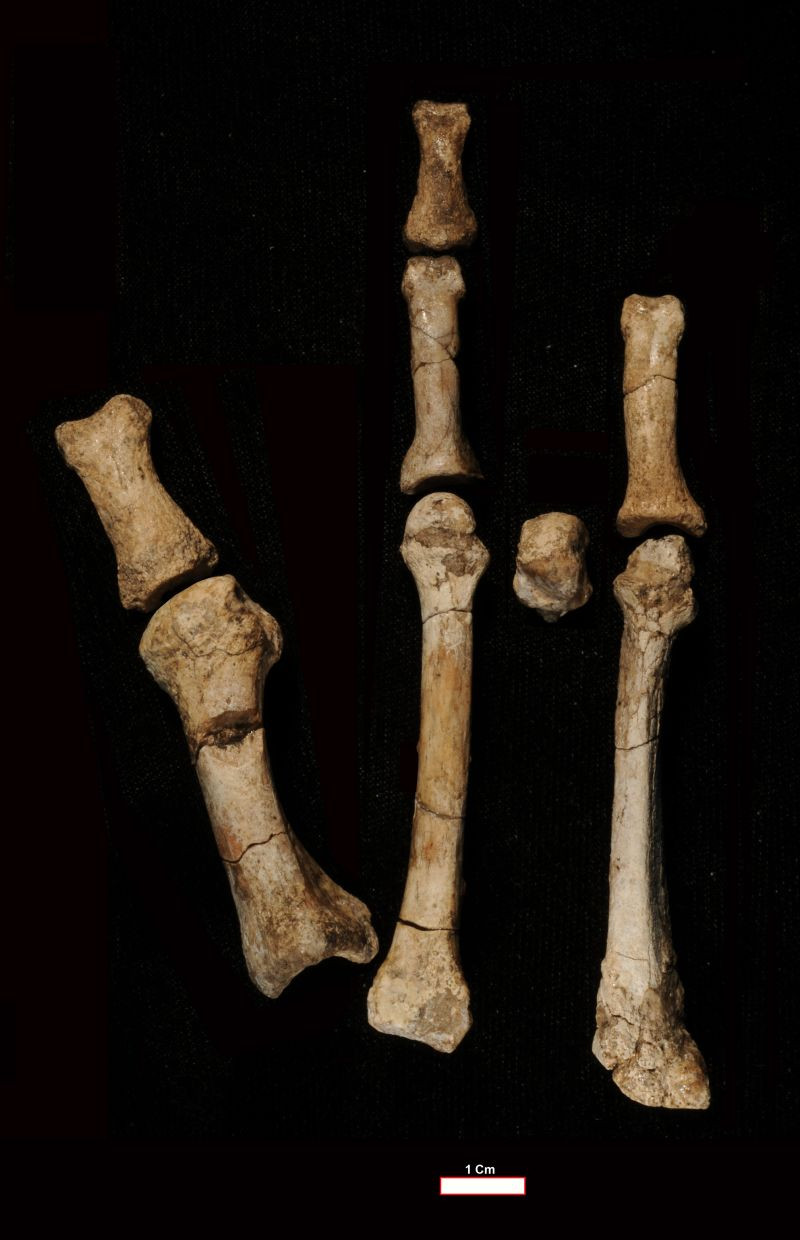
Radiometric dating and stratigraphic evidence place the foot at 3.47 to 3.33 million years old, a period that coincides with the contemporaneous presence of A. afarensis in Hadar and Dikika, sites just a few kilometers distant.
Despite this geographic closeness, the Burtele fossils reveal clear differences in both dental structures and foot anatomy. Newly discovered mandibles and teeth from the same sediment layer confirm shared anatomical features distinct from A. afarensis: smaller molars, more simplified canines, and absence of certain jaw recesses.
This classification strengthens previous research defining A. deyiremeda as a unique mid-Pliocene species, originally outlined in a 2015 Nature paper describing cranial fossils from the region. The addition of the Burtele foot bolsters evidence that this species walked upright while retaining some tree-climbing adaptations.
The foot specimen's first metatarsal lacks the dorsal articular isthmus characteristic of Ardipithecus ramidus, another early hominin adapted to climbing. Instead, it shares traits with later species like Australopithecus africanus, especially in the shape and angling of the metatarsal head.
Dietary Data Indicates Ecological Partitioning Among Coexisting Hominins
To understand how A. deyiremeda fit into its ecosystem, researchers analyzed stable carbon isotopes from eight teeth recovered at Burtele. The δ13C values, averaging –10.2‰, suggest a diet rich in C3 plants—namely leaves, fruits, and other forest foods.
This contrasts with A. afarensis, which demonstrated a wider isotopic spectrum and greater consumption of C4 plants found in open grassland environments. These dietary distinctions imply niche separation that allowed multiple hominin species to coexist in the same area without direct competition.
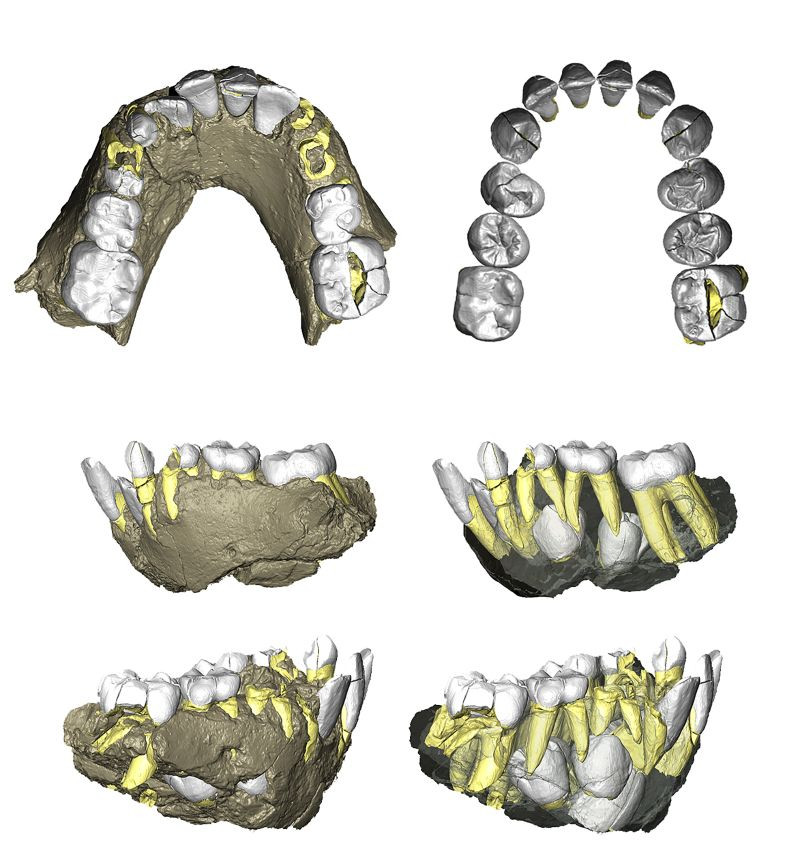
The dental anatomy supports this ecological divergence. Compared to A. afarensis, A. deyiremeda displayed more primitive chewing surfaces, including narrower molar crowns and premolars adapted to grinding tougher plant material, indicating exploitation of different food sources.
Further studies on the Burtele foot emphasize its unusual combination of arboreal and terrestrial traits. The researchers highlight that these locomotor differences underline the variety of movement strategies among early hominins, setting them apart from Lucy’s species.
New Insights Into Human Evolutionary Patterns and Future Research Directions
Finding A. deyiremeda coexisting with A. afarensis during the mid-Pliocene challenges earlier notions of a single dominant hominin lineage. Instead, the evidence supports a branching evolutionary scenario, with several species pursuing distinct anatomical and ecological adaptations.
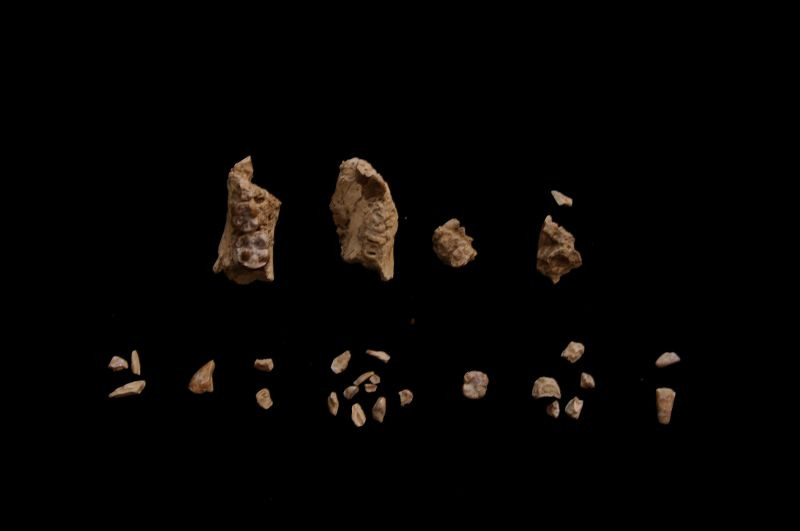
The coexistence of multiple species calls into question the simple, linear model of human ancestry. The mosaic combination of traits in A. deyiremeda—both ancestral and advanced—suggests that key human characteristics such as obligate bipedalism and molar size evolved in a more complex and staggered manner.
Recent discussions have begun to rethink Lucy’s role as a direct ancestor, proposing that A. afarensis might instead represent one of several divergent lineages. A 2025 analysis highlights how discoveries of overlapping species with unique adaptations reflect a more intricate evolutionary landscape.
Ongoing digs and isotope analyses at sites like Burtele and Woranso-Mille, documented by platforms such as Becoming Human, aim to clarify these evolutionary links. Increasing the fossil record will be crucial for tracing the biomechanics of bipedalism and understanding how early humans adjusted to diverse environments.
- Categories:
- Science



0 comments
Sign in to Comment