
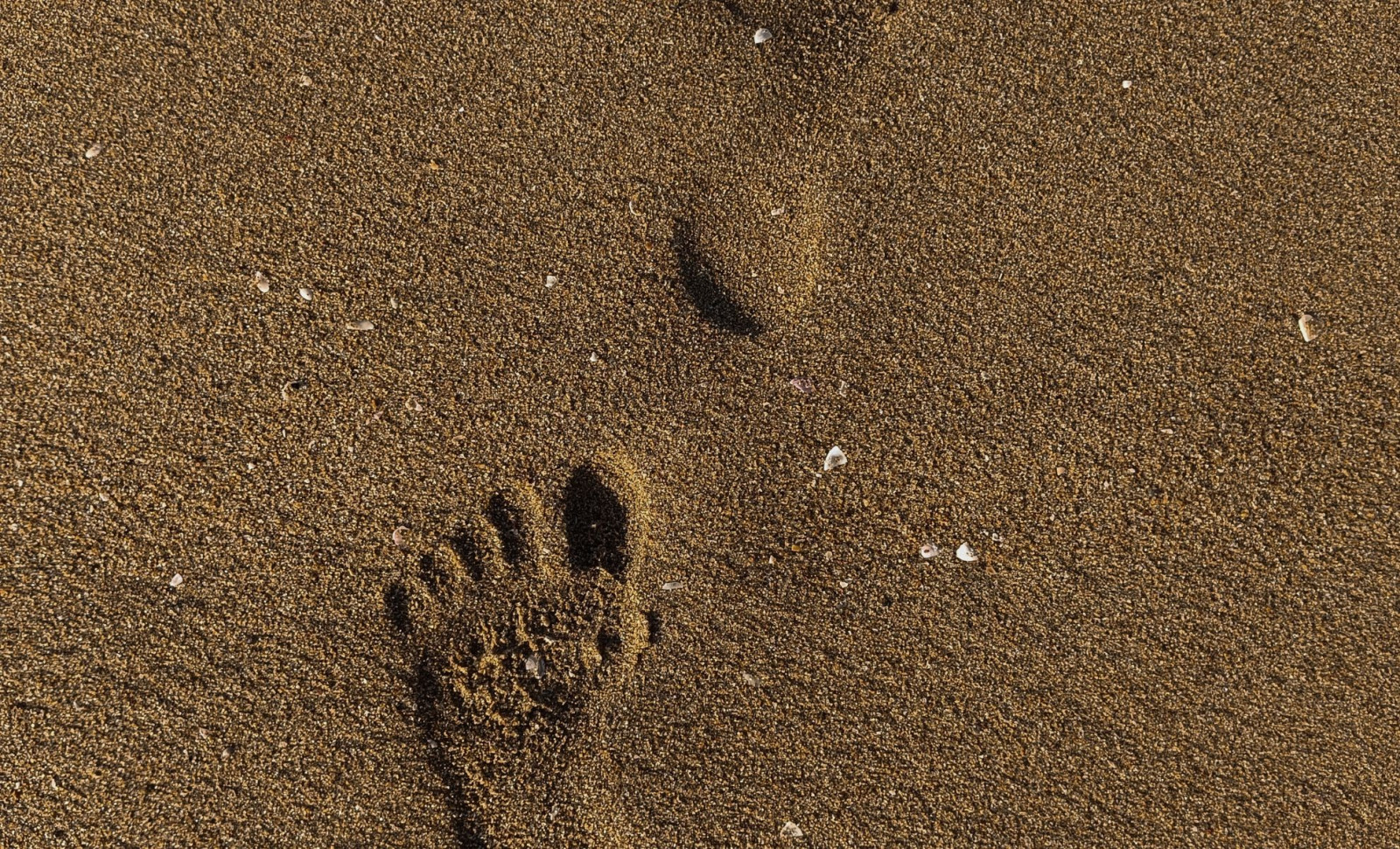
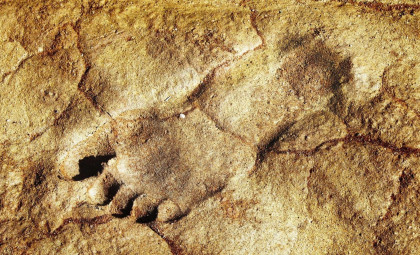
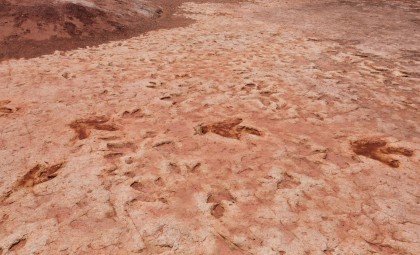
A remarkable set of 85 fossilized human footprints found on a northern Moroccan beach has been dated to approximately 90,000 years ago. These prints, preserved in clay-rich sand, represent the oldest known human trackway in North Africa and the southern Mediterranean and were left by early Homo sapiens.
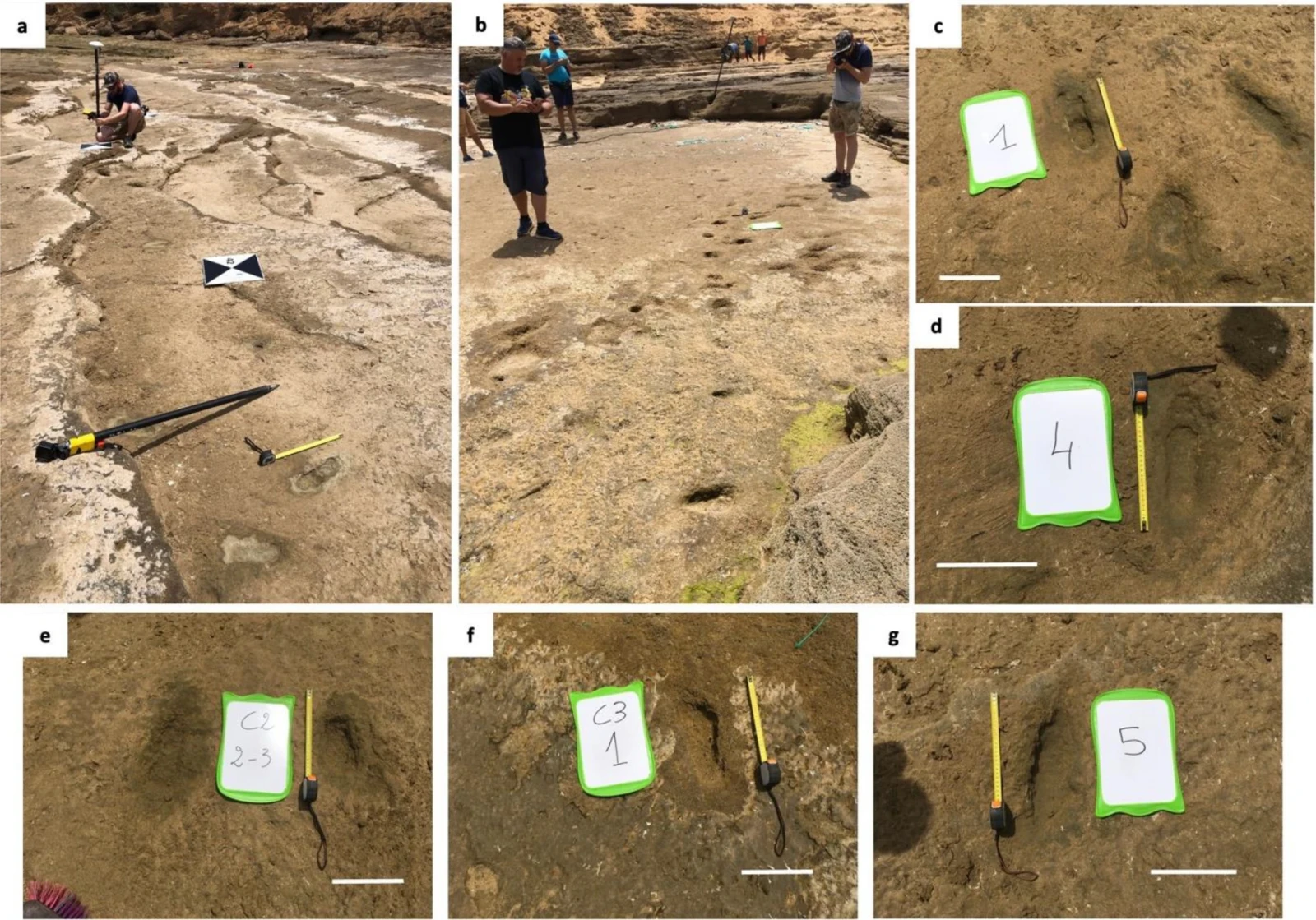
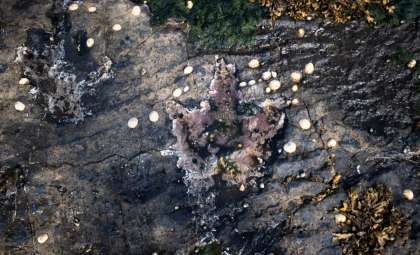
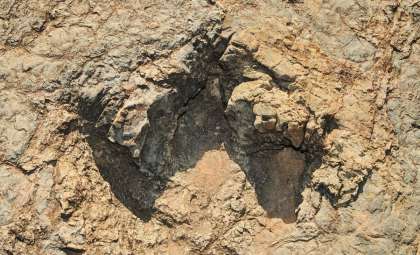
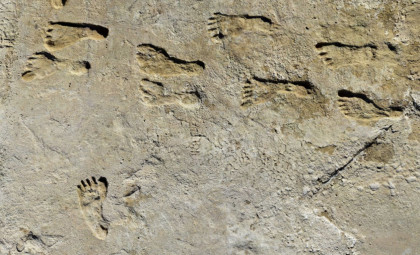
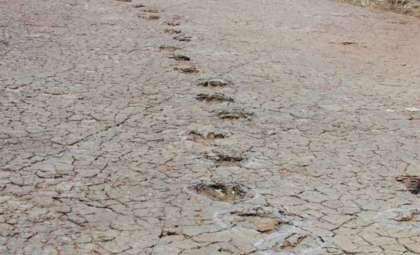
During a 2022 survey of a coastal area near Morocco's northern tip, a research team led by Mouncef Sedrati from the University of Southern Brittany spotted a single footprint. Soon after, multiple additional prints appeared. Their continued exploration uncovered two distinct trails made up of numerous imprints on the beach surface.
85 Tracks, Five Individuals, and an Ancient Stroll
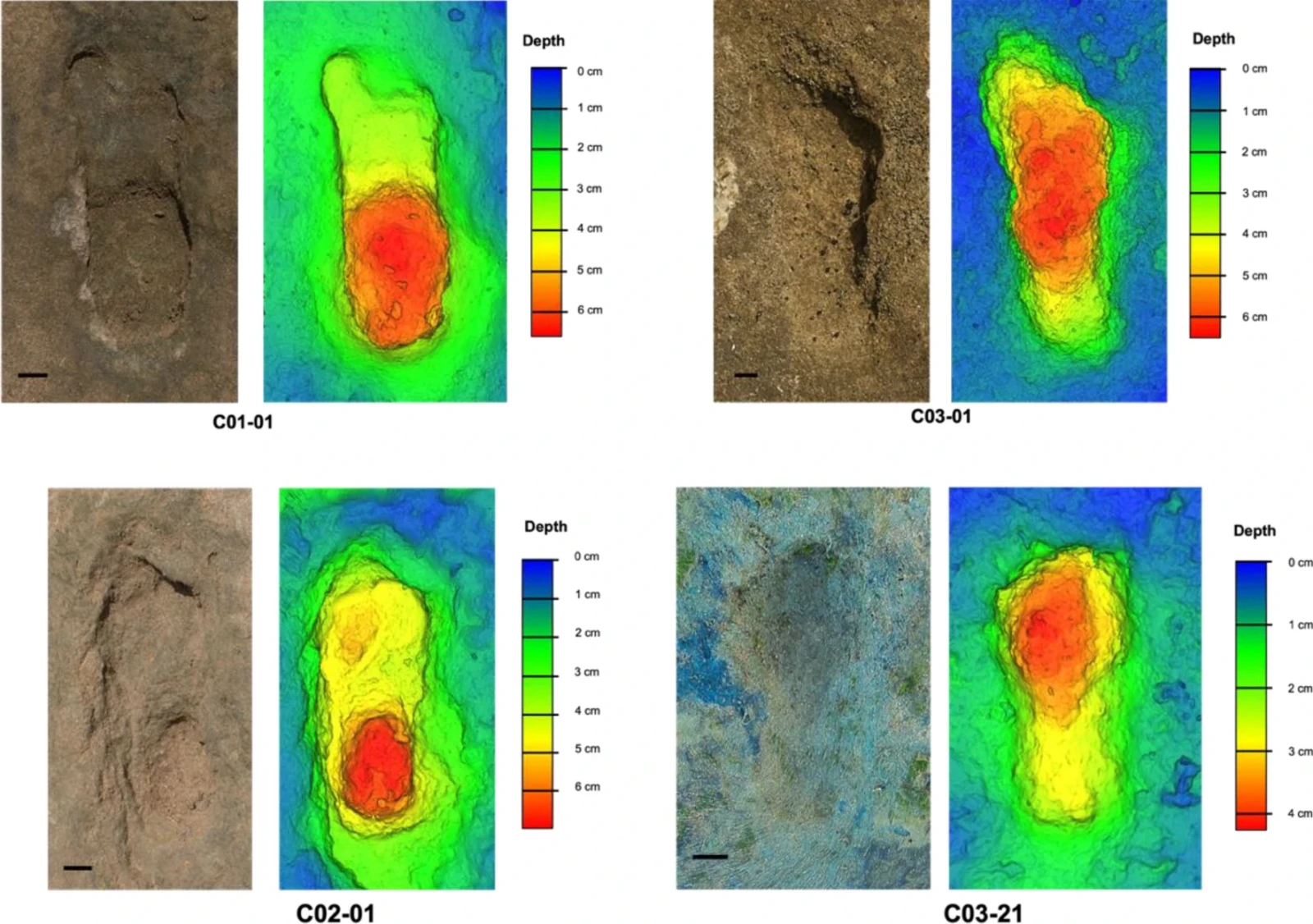
The trails consist of 85 human footprints, likely recorded during a brief time. A study published in Scientific Reports reveals that analysis of the footprints’ size and depth suggested they were made by at least five people, including youngsters and adults.

“We took measurements on-site to determine the length and depth of the prints,” saidMouncef Sedrati.
These detailed measurements enabled the researchers to estimate the ages and sizes of the individuals who traveled across the site. The diversity in the footprints points to a group spanning multiple generations, moving together over the exposed beach when the tide was low.
How Natural Elements Preserved the Prints
The extraordinary state of these footprints is due to a unique combination of geological and tidal conditions. The beach sits atop a rocky platform overlaid with clay-rich sediments. As Sedrati explains, these sediments formed a surface ideal for capturing distinct impressions. Soon after the footprints were made, tides rapidly covered them with sand layers.
This swift burial shielded the footprints from erosion and disturbances on the surface. The researchers highlight the beach’s incline and extended tidal reach as key factors in “the final preservation of the footprints.”
“The exceptional thing is the position of the beach on a rocky platform that is covered in clay sediments,” he stated. “These sediments create good conditions to preserve the tracks on the sandbar while the tides rapidly buried the beach. That’s why the footprints are so well preserved here.”
The Threat of Ongoing Coastal Erosion
Despite remaining intact for millennia, the site now faces a looming threat. The rocky shore platform harboring the footprints is gradually eroding, and researchers caution that these invaluable trackways may soon vanish. The team describes the location as highly susceptible to continual erosion.
“The ongoing collapse of the rocky shore platform… could lead to its eventual demise,” they wrote.
With the site at risk, Sedrati and colleagues emphasize the urgent need to document and examine the footprints further, hoping to gather more information on the group’s activities and intentions before erosion impacts the location irreversibly.
- Categories:
- Science





0 comments
Sign in to Comment