
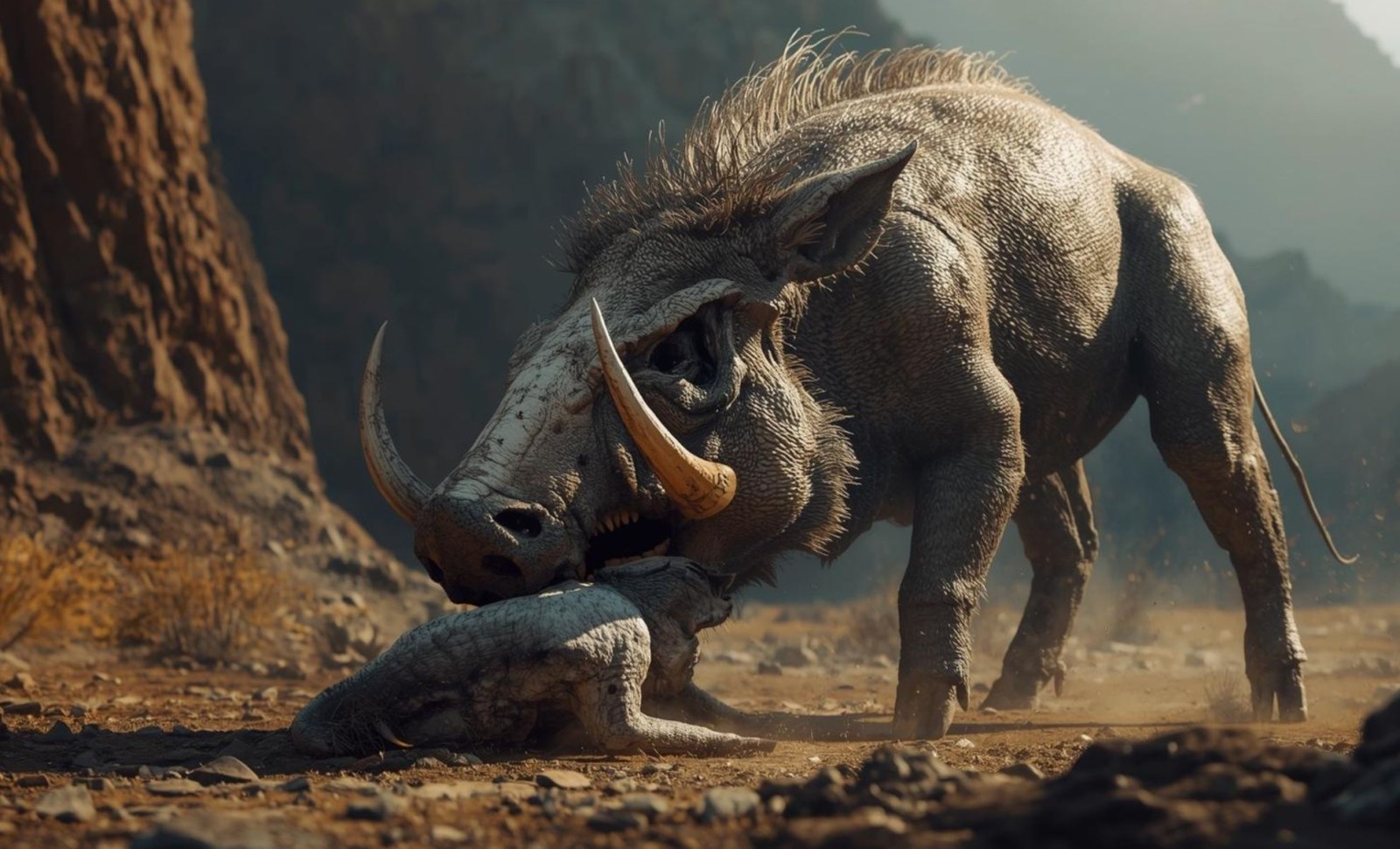
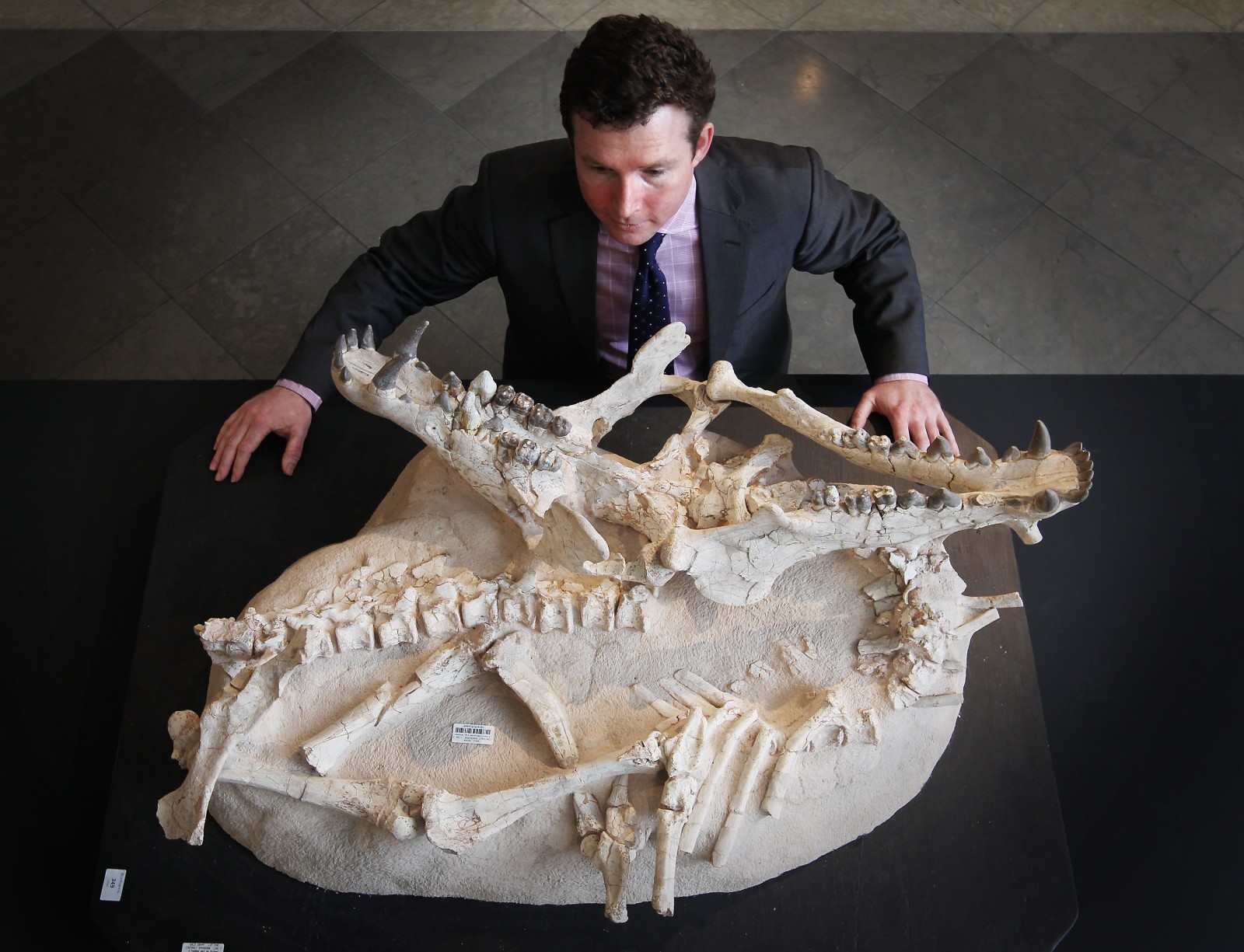
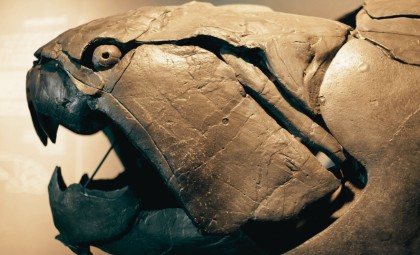
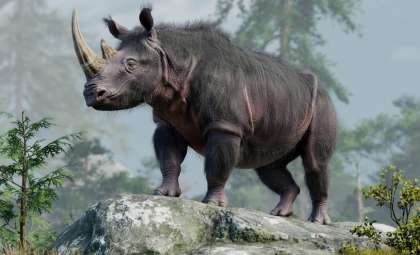
About 30 million years ago, a formidable tusked creature known as Archaeotherium roamed the floodplains that now make up North America. Measuring over six feet in length and tipping the scales at more than a ton, these so-called hell pigs boasted massive skulls that comprised nearly a third of their body size, equipped with powerful jaws capable of breaking bones.
For years, scientists have debated whether this extinct group of entelodonts was primarily a predator, scavenger, or an omnivore with varied eating habits. Recent fossil studies have unveiled a more nuanced understanding: dental wear analyses indicate these animals employed different feeding tactics depending on their size.
Larger specimens exerted bone-crushing forces similar to today's lions and hyenas, while smaller ones preferred softer diets consisting of meat and plant matter. These insights were shared at the 2025 Society of Vertebrate Paleontology conference, offering fresh perspectives on an often misunderstood Oligocene carnivore.

Two Distinct Eating Patterns Evident from Teeth
Scientists employed dental microwear texture analysis to examine Archaeotherium teeth recovered from fossil sites in Nebraska, Oregon, South Dakota, and Colorado. This method utilizes 3D imaging to detect microscopic marks that reveal how these teeth interacted with various foods.
Led by Brynn Wooten of Vanderbilt University’s Evolutionary Studies program, the research demonstrated that larger Archaeotherium specimens exhibited wear patterns closely matching those of contemporary bone-crushing predators like lions (Panthera leo) and spotted hyenas (Crocuta crocuta). This uniformity suggests they frequently consumed hard substances, including bones.
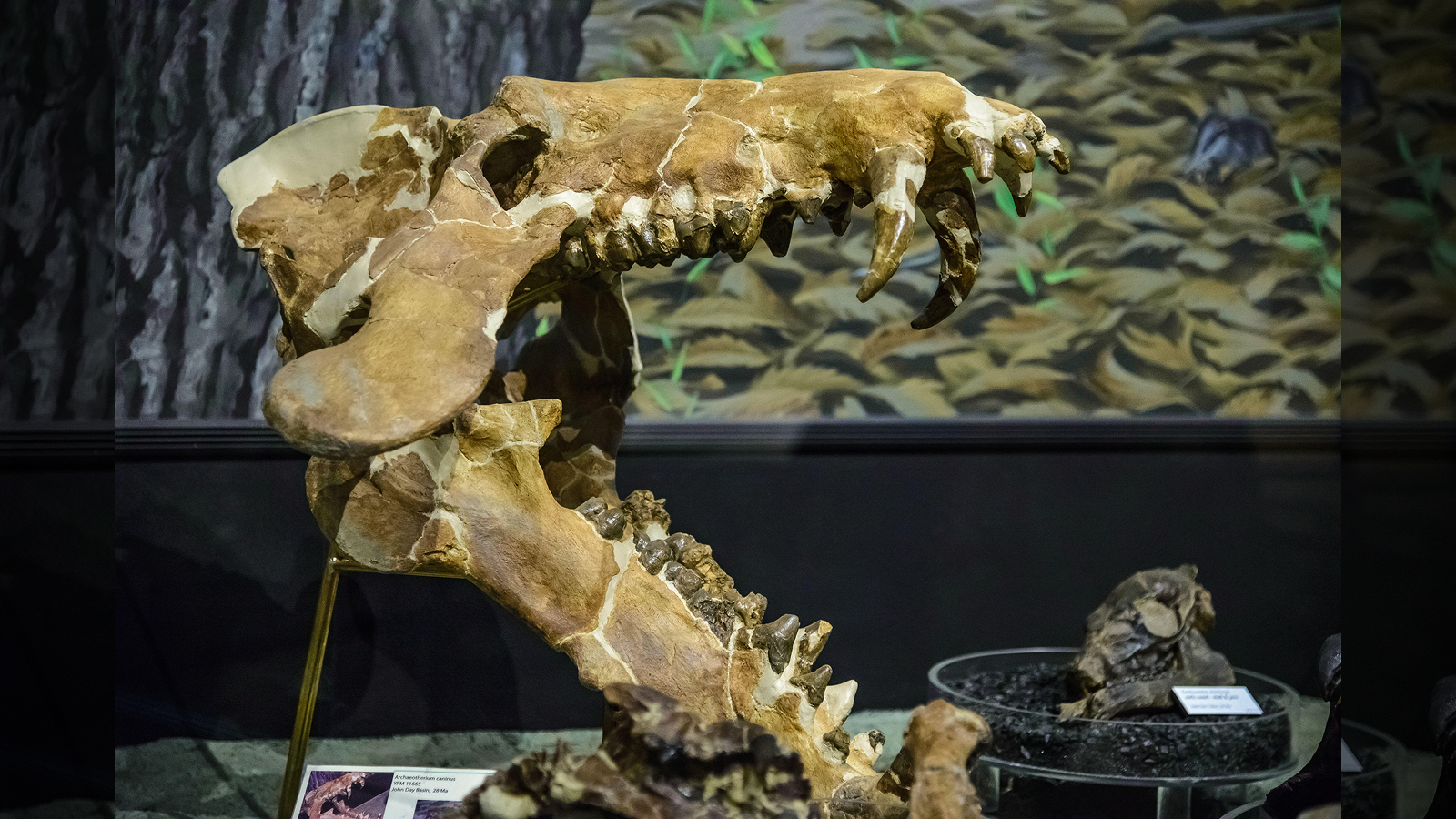
"It's fascinating to see the large individuals capable of bone-crushing," noted Larisa DeSantis, Vanderbilt biological sciences associate professor, as quoted by Live Science. "Smaller ones, on the other hand, do not exhibit this pattern."
This disparity uncovers a previously unknown dietary specialization within the genus, where the more petite Archaeotherium bore tooth wear consistent with slicing softer material, likely relying mainly on tender flesh or fibrous plants, akin to present-day peccaries.
Evidence of Food Hoarding and Hunting Behavior
Behavioral clues further enhance this picture. Fossils of the extinct camelid Poebrotherium have been found bearing punctures aligning with Archaeotherium premolar shapes. Additionally, certain fossil sites suggest animal caching, a practice where predators store food for later consumption.
These findings challenge the view of Archaeotherium as merely a scavenging omnivore. Instead, the largest individuals were likely active predators or dominant scavengers that used brute strength to seize kills from other carnivores, similar to modern hyenas and bears.
This variation within species in feeding strategies suggests that hell pigs did not function as a uniform group. Instead, they likely filled several ecological roles influenced by their size and available resources. Such niche differentiation within a single large mammal genus is rare and reveals a remarkable ecological flexibility.
Additional research at institutions like the CU Museum of Natural History supports this view, emphasizing Archaeotherium’s omnivorous dentition and aggressive tendencies, inferred from cranial injury evidence.
Not Actual Pigs, but Close Relatives of Whales and Hippos
Despite their nickname, Archaeotherium were not true pigs. They belonged to the extinct family Entelodontidae, part of the larger order of artiodactyls, which includes deer, cattle, and hippos. A 2008 phylogenetic study by O’Leary and Gatesy grouped entelodonts within the Cetancodontamorpha, making them closer kin to whales and hippopotamuses than to modern swine.
According to the CU Museum’s fossil analysis, their prominent tusk-like canines and bunodont molars were adapted for processing both meat and plants but lacked the specialization of strict herbivores or hypercarnivores. These anatomical traits align with recent findings showing a size-dependent diet, rather than a single feeding niche across the genus.
Further observations reveal many Archaeotherium skulls bear signs of healed injuries, implying frequent confrontations. This supports the portrayal of these animals as not only feeders but also territorial and combative rivals within their ecosystems.
- Categories:
- Science




0 comments
Sign in to Comment