
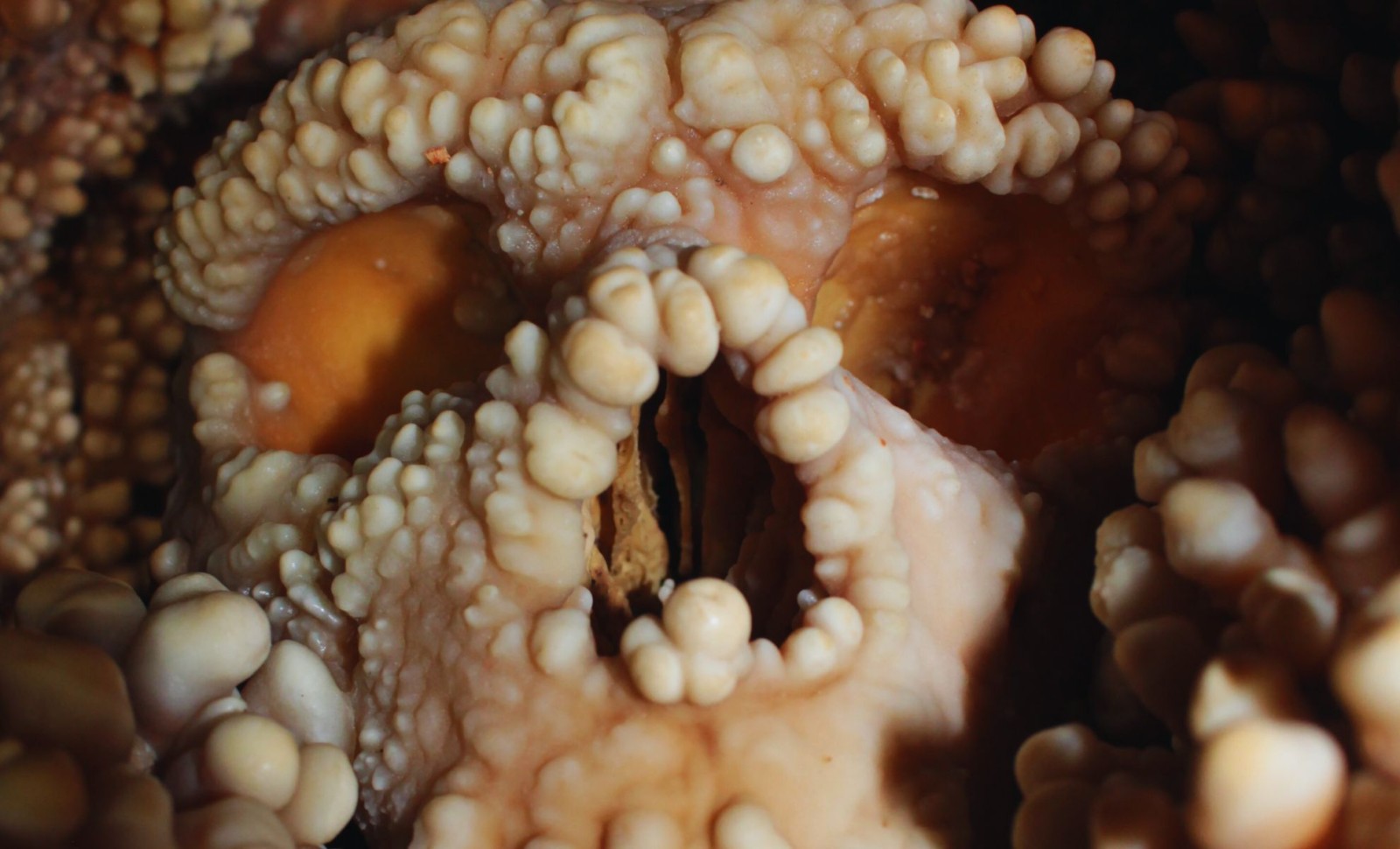
For years, scientists have believed Neanderthals possessed large noses specifically evolved to heat cold air, aiding their survival in frigid Ice Age environments. However, recent examination of a remarkably preserved Neanderthal skull raises doubts about this theory. The fossil, known as Altamura Man, reveals nasal features that may not be as specialized for cold adaptation as once thought.
The Altamura Man specimen stands out as one of the most intact Neanderthal skeletons ever discovered, providing unprecedented detail on their anatomy that older fossils lacked. While prior research assumed the prominent nasal structure helped warm icy air, new findings led by paleoanthropologist Costantino Buzi from the University of Perugia offer a fresh perspective.
Rethinking the Cold-Climate Nose Theory
Earlier virtual reconstructions of Neanderthal skulls suggested their nasal architecture was optimized for warming and humidifying cold air more effectively than that of modern humans. This idea explained how Neanderthals endured Ice Age Europe’s severe cold. Yet, the Altamura Man fossil, found deep within an Italian cave, has prompted scientists to reconsider.

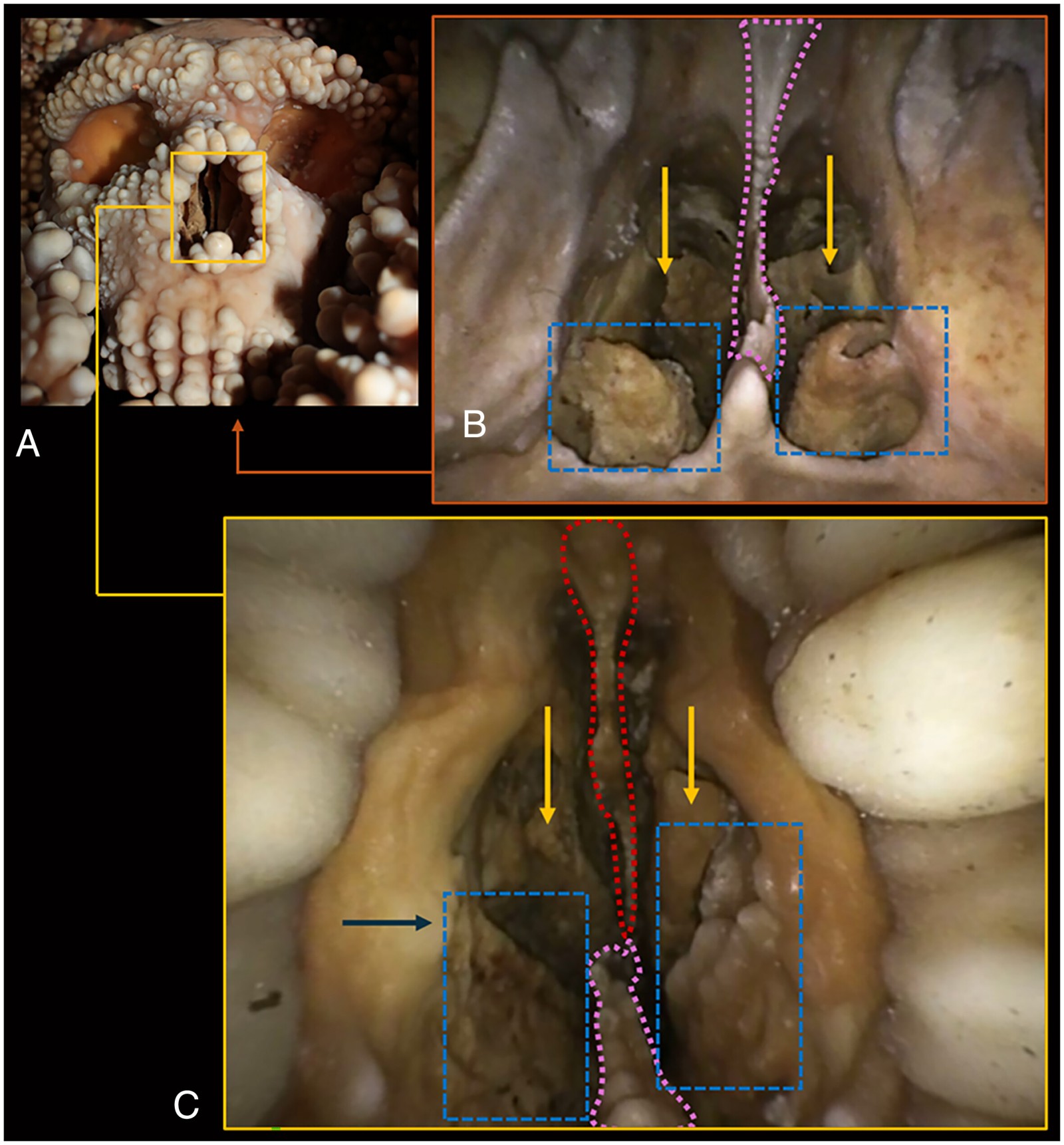
A study published in Proceedings of the National Academy of Sciences describes the use of a flexible endoscope to peer inside the nasal cavity without harming the fossil. The findings were unexpected.
The anticipated anatomical markers, such as additional bony ridges or an absent roof over the lacrimal groove—previously linked to cold adaptation—were missing. Instead, the nasal structure appeared to lack distinct cold-weather adaptations. As Costantino Buzi explained:
“This surely is the first time we have clearly seen these structures in a human fossil.” He added, “We can finally say that some traits that were considered diagnostic in the Neanderthal cranium do not exist.”
Enhancing Our Understanding of Neanderthal Physiology
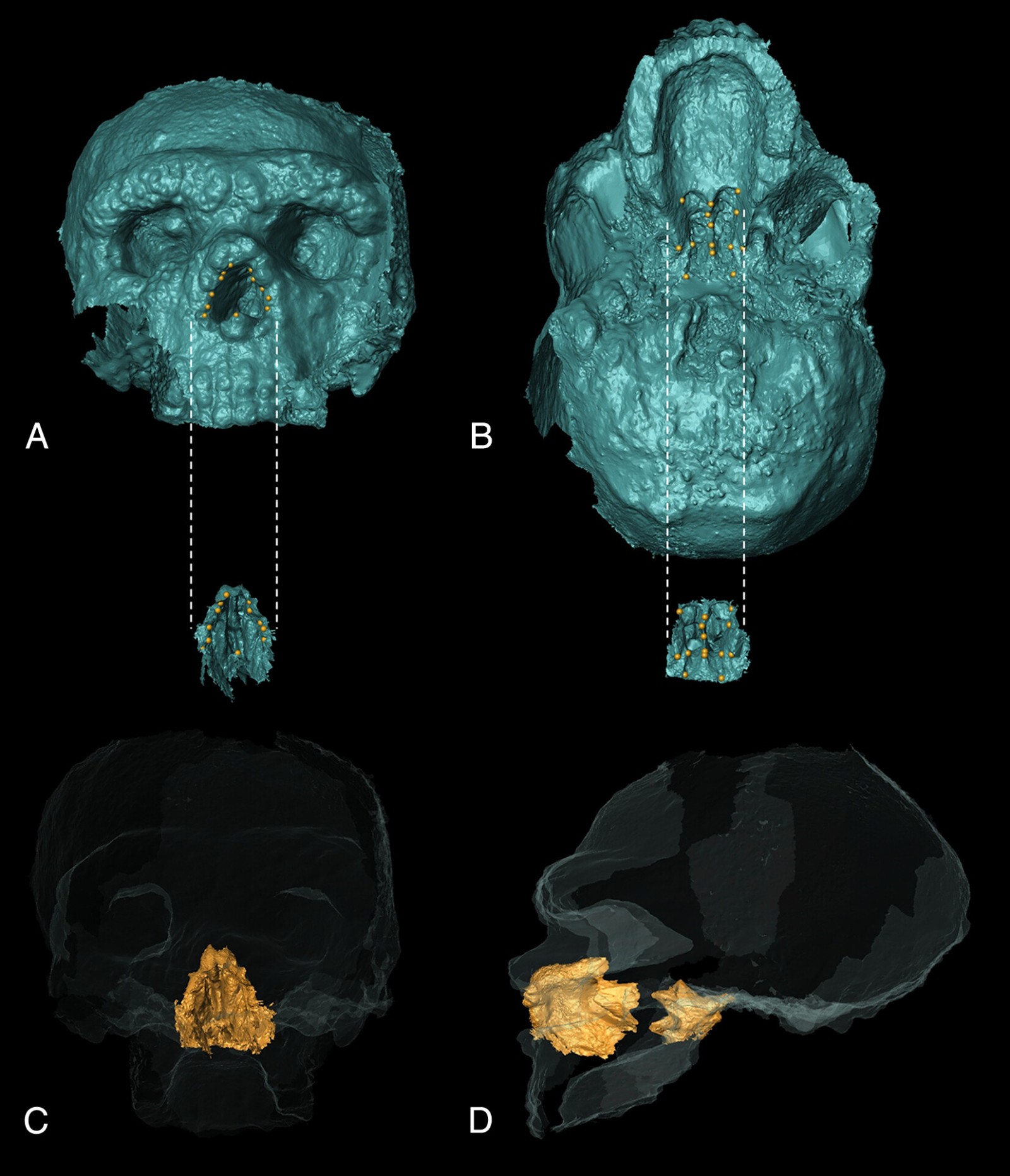
Unearthed during the 1990s, the Altamura fossil includes the skull, chest, and spinal elements. Due to its fragile nature, the fossil remains in the cave, with researchers relying on advanced imaging techniques to study the nasal cavity in situ without causing damage.
The data suggests the large nasal cavity and prominent jaw were likely related to overall facial proportions and skull size rather than direct cold-climate adaptations. These traits seem to be part of general developmental patterns instead of a specialized mechanism for air warming.
“Everything in Neanderthals has been shoehorned into the idea that they’re adapted to cold,” said Todd Rae of the University of Sussex.
Beyond Biology: Cultural Adaptations for Cold Survival
If Neanderthals didn’t rely on physiological features like cold-conditioned noses, how did they endure glacial periods and harsh winters? The research on Altamura Man proposes that survival hinged on cultural practices and behavioral flexibility rather than biological specialization alone.
Neanderthals likely harnessed fire for warmth, crafted clothing from animal hides, and constructed shelters to shield themselves from the elements. They also engaged in cooperative behaviors, sharing resources and supporting one another through challenging environments.
- Categories:
- Science












0 comments
Sign in to Comment