
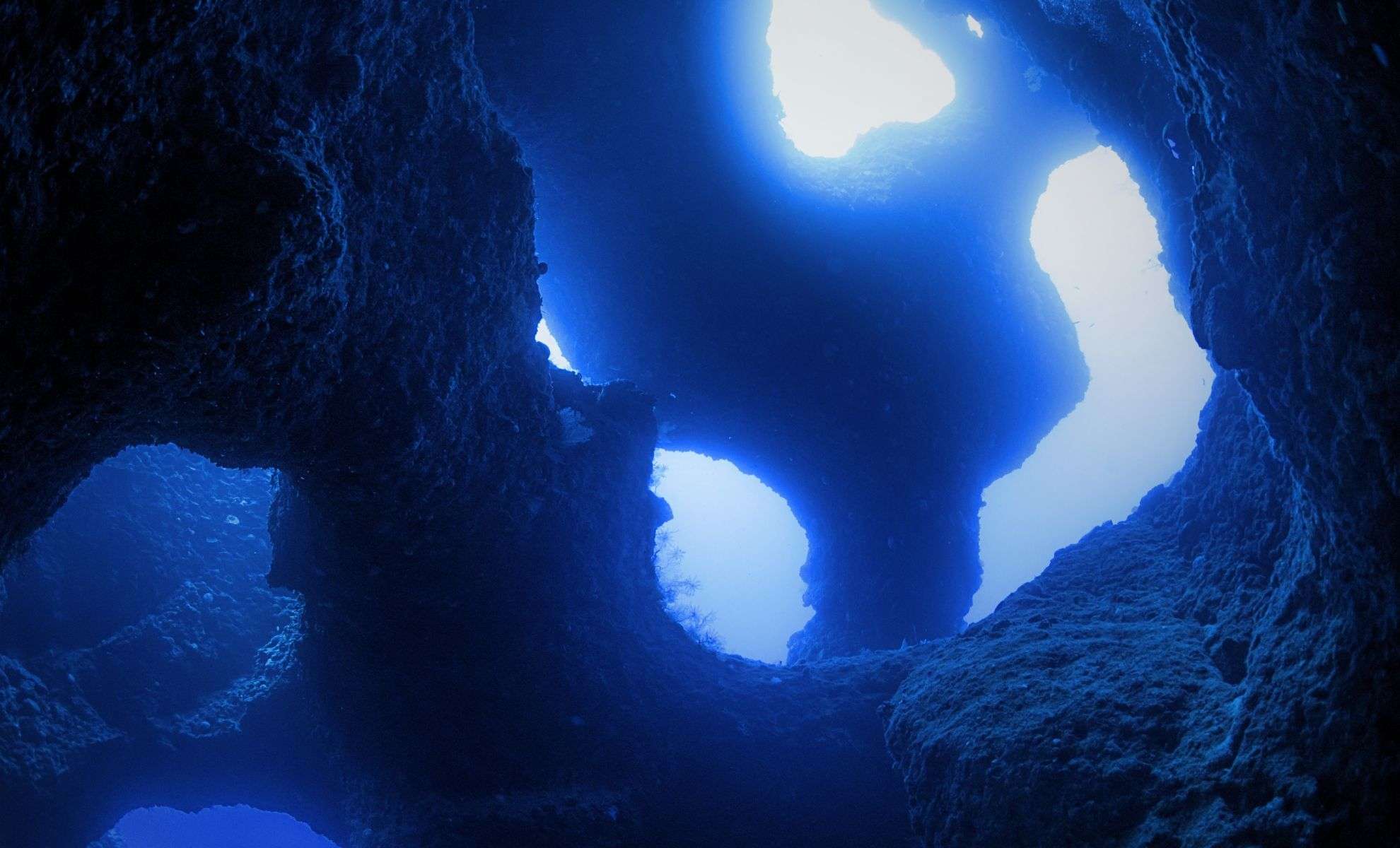
Beneath the turbulent surface of the North Sea, researchers have uncovered startling geological formations that upend conventions held for centuries in earth science. Using detailed seismic imaging combined with well data, scientists discovered enormous subterranean ridges and mounds spanning thousands of square kilometers that demonstrably invert the usual sedimentary layering.
Published in Communications Earth & Environment, this study introduces a novel classification called “sinkites”—denser, younger sand units that have mysteriously sunk beneath the older and lighter mud deposits, termed floatites. Led by Professor Mads Huuse from the University of Manchester, this research reveals an unprecedented geological phenomenon of inversion at a massive scale.
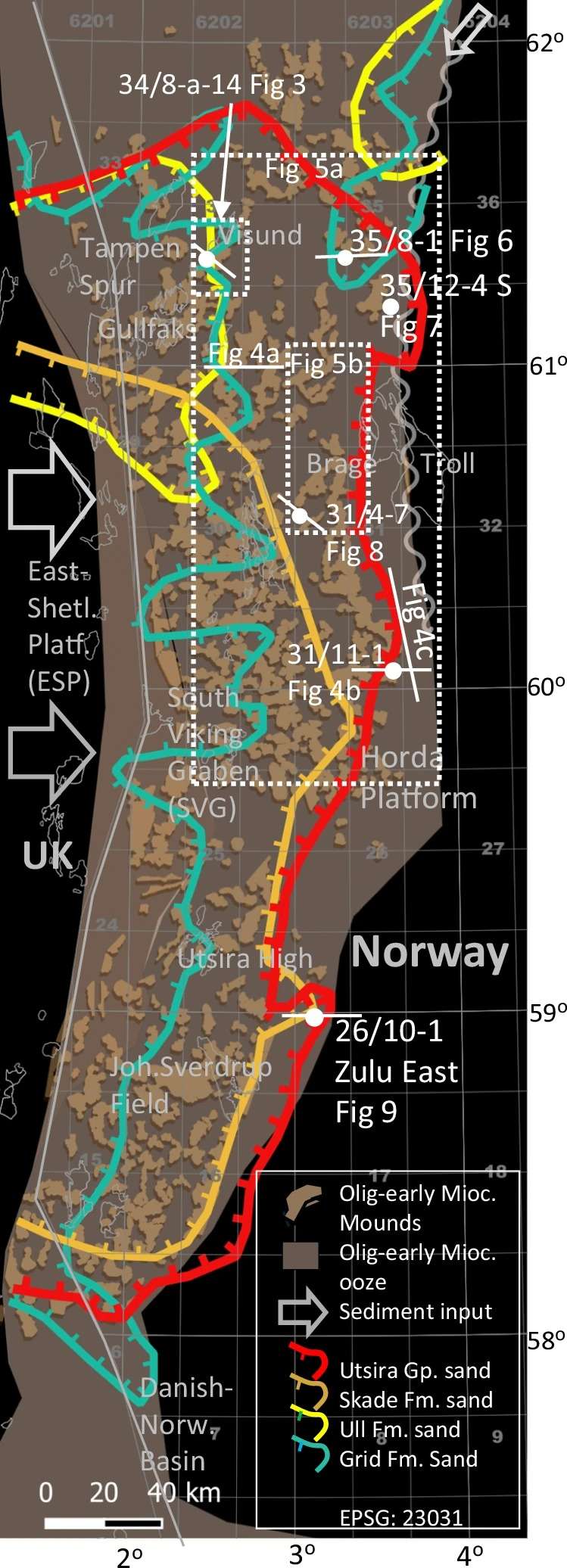
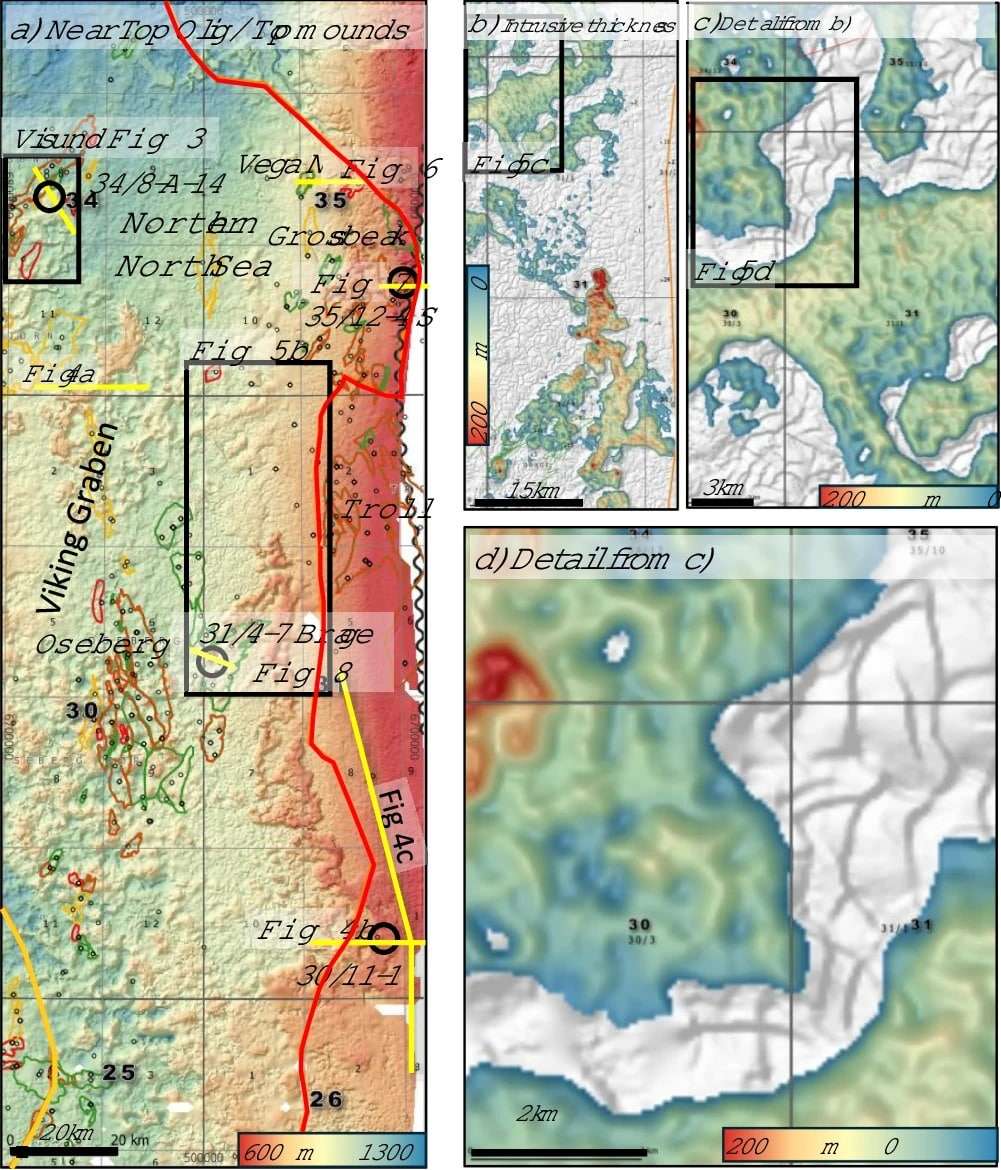
Seismic imagery displays jagged, pod-shaped sand bodies extending over an area of about 50,000 square kilometers. Surrounding these are uplifted slabs of biogenic ooze, a porous sediment formed from fossilized plankton remains. This reversal in sediment position is not merely an academic curiosity but could impact carbon sequestration, subsurface integrity, and undersea infrastructure stability.

Moreover, these structures are not relics of the distant past. Under suitable circumstances, these buoyancy-induced layering inversions may recur, drawing significant interest from energy sectors and climate researchers.
Seismic Activity, Liquefaction, and the Downward Shift of Sands
This discovery centers on the intersection of tectonic movements and sediment physics. The researchers propose that the sinkites formed when earthquakes in the Miocene and Pliocene caused liquefaction, a process whereby saturated sands lose stability and behave fluidly, a phenomenon well-recognized during seismic events, as outlined by the US Geological Survey.
Typically, sand layers rest above softer mud; however, in this case, the denser sand became liquefied by seismic shaking and sank through fractures in the weaker surrounding ooze. These fractures, called polygonal faults, served as conduits enabling sand to move downward while displacing the lighter mud upward in floating slabs, consequently reversing the conventional sediment order.
Professor Huuse explains, “Picture quicksand underneath a trampoline—liquefied sand sinks, pushing the soft mud mat upwards in solid blocks, eventually generating vast, serrated ridges concealed beneath the sea floor.”
While the concept of stratigraphic inversion isn’t new to geoscience, witnessing it on such an immense scale with congruent geochemical signatures linking the intruding sands to their overlying equivalents is unprecedented.
A Paradigm Shift in Geological Layering
This extraordinary finding challenges the fundamental law of superposition, which asserts that older strata lie beneath younger ones. In the North Sea, however, younger sands from the Utsira Formation are found beneath older biogenic mud layers. The close match in mineral composition, grain shape, and isotopic dating between the buried sands and those above is remarkable.
In one remarkable case, an 80-meter-thick sand layer was identified below Miocene ooze. Strontium isotope analysis confirmed these sands are millions of years younger than the overlying mud, signaling this isn’t a contamination artifact but a genuine stratigraphic inversion resulting from sand sinking from the surface downward.
To describe these unusual features, researchers coined two terms: “sinkites” for the sunken sand masses and “floatites” for the elevated mud rafts. In contrast to known formations like sand injectites or mud diapirs, these arise through vertical buoyancy-driven movement rather than pressure-driven injection or plastic deformation.
Implications for Carbon Storage and Seismic Risks
Beyond academic intrigue, this discovery has real-world consequences, notably for the expanding realm of carbon capture and storage (CCS). The Sleipner Project in the same area, run by Equinor, has been injecting carbon dioxide into the Utsira sandstone since 1996, marking one of the longest-standing CCS initiatives globally.
The researchers caution that any process capable of reshuffling subsurface strata, especially in porous storage layers, raises concerns about the long-term security of stored CO₂. Should sand liquefaction recur, seals might fail, increasing the probability of carbon leaks.
As the Sleipner area contains young sands overlaying fractured, low-density ooze, similar dynamics may be at play. The study advises incorporating possible stratigraphic inversions into future CCS risk assessments.
These findings also bear significance for offshore installations, such as wind turbines and pipelines. Seismic liquefaction could threaten geotechnical stability, necessitating thorough risk evaluations as offshore energy infrastructure develops.
Sinkites: Potentially a Widespread Geologic Phenomenon
Though the North Sea offers the first well-documented example of these vast inversions, the team suggests that comparable buoyancy-driven sediment reordering could exist in other seismically active marine basins where dense sands overlay porous muds.
Areas like the Gulf of Mexico, the South China Sea, and regions offshore Japan and New Zealand share similar geological settings and might conceal analogous hidden structures awaiting discovery.
With the advance of machine learning, high-resolution seismic surveys, and comprehensive well log studies, the detection of sinkites is likely to become widespread. This challenges the long-held notion that younger sediments cannot underlie older deposits without tectonic disruption.
- Categories:
- Science








0 comments
Sign in to Comment