
With NASA and the China National Space Agency advancing Mars exploration plans, a pressing issue is understanding how the planet’s lower gravity impacts the human body. Mars’ gravity is only roughly 38% of Earth's, raising concerns about astronaut muscle deterioration. Recent investigations involving mice aboard the International Space Station (ISS) are providing valuable data.
Reaching Mars has been a long-term objective, but it presents complex health challenges. The effects of prolonged exposure to diminished gravity, both during the interplanetary journey and on the Martian surface, remain largely uncharted territory.
The Critical Role of Muscles in Space
Skeletal muscles constitute over 40% of human body weight and are vital for movement and metabolic functions. In a microgravity environment, such as space, muscles don’t undergo normal exertion, leading to muscle wasting over extended missions. However, Mars’ gravity, although weak, differs significantly from zero gravity, requiring further study.

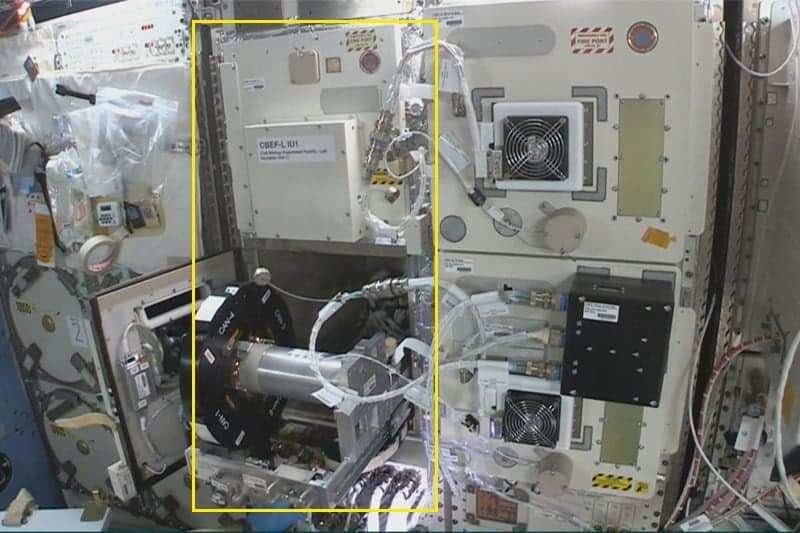
A collaborative team from JAXA and the University of Tsukuba conducted research focused on how muscle tissue responds to gravity levels akin to those on Mars. Understanding these effects is essential, as astronauts must maintain muscle strength for mobility, equipment handling, and overall health during extended missions.
Simulating Martian Gravity with Mice on the ISS
The study involved 24 mice on the ISS, exposed to four gravity intensities: microgravity, 0.33 g (similar to Mars), 0.67 g, and standard Earth gravity (1 g). Results, published in Science Advances, measured muscle strength, size, and performance after 28 days. Professor Marie Mortreux from the University of Rhode Island commented:
“We used gravity levels that were equally separated, to have a better picture of the dose-response of each system to gravity,” he explained in a statement available from the University of Rhode Island. “The test group that was exposed to 0.33g was extremely close to Martian gravity (0.38g). Our findings for that group can be translated into actions to enable Mars exploration.”
Preparing for Mars Missions: Progress and Prospects
The research revealed particular biomarkers—blood metabolites that fluctuate with gravity changes. These indicators may soon enable continuous monitoring of astronaut muscular condition during deep space expeditions, facilitating early detection of muscular decline.
As Mortreux emphasizes, these biomarkers present a promising approach to assessing physical adaptation on long-duration Mars missions.
“Since this mission aimed to assess gravity as a continuum, we were perfectly positioned to see if our ground-based results had similar outcomes when reduced mechanical loading was applied in orbit,” he added.
- Categories:
- Space






0 comments
Sign in to Comment