
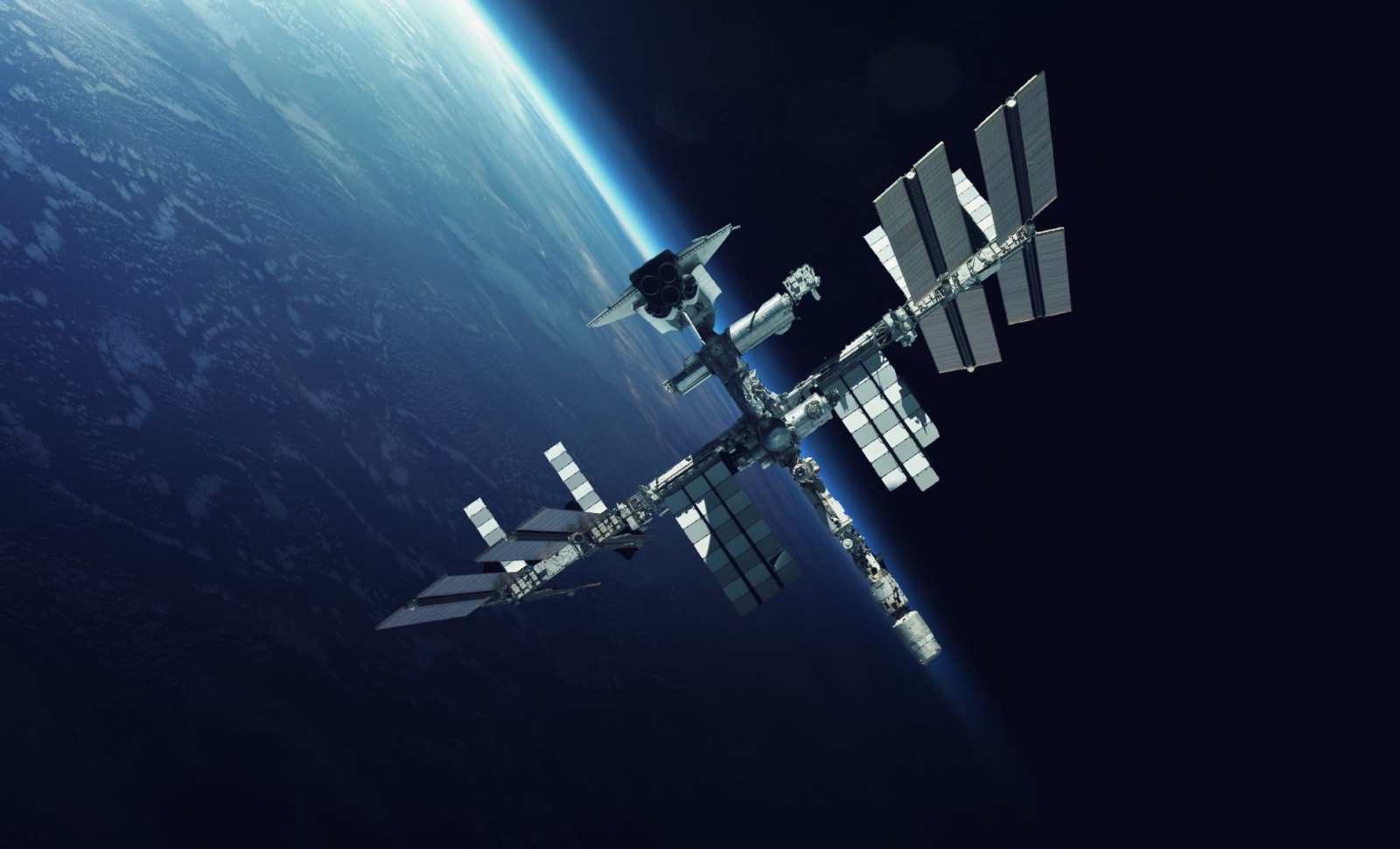
A recent pioneering investigation involved sending 24 mice aboard the International Space Station (ISS) to analyze how reduced gravity influences muscle condition. The results may prove crucial for addressing the physiological hurdles humans face during prolonged space missions, including journeys to Mars.
Jointly supported by NASA and the Japan Aerospace Exploration Agency (JAXA), the research aimed to determine how diminished gravitational forces typical of space affect muscle health over time. Published in Science Advances, the study examined muscle adaptations in mice exposed to a range of gravity levels.
Impact of Reduced Gravity on Muscular Function
Astronauts’ physical resilience in zero or low gravity is a major concern. Mary Bouxsein, Harvard Medical School professor and study co-author, notes that gravity deprivation fundamentally alters muscle structure and performance. The mice were assigned to four gravity environments: microgravity, 0.33 g, 0.67 g, and normal Earth gravity at 1 g. The findings revealed a loss of muscle strength below 0.67 g, despite no significant shrinkage in muscle size.

The focus was on the soleus muscle, which is notably gravity-dependent. At 0.33 g, muscles exhibited minimal size reduction but suffered a decline in grip strength. Conversely, at 0.67 g, muscle strength remained comparable to Earth levels, suggesting functional muscle preservation.
Translating Animal Results to Human Spaceflight
While conducted on mice, insights from this experiment have substantial implications for astronauts. Genetics expert Se-Jin Lee from the University of Connecticut stresses the importance of examining how these outcomes apply to humans.
“A key question will be the extent to which these findings will translate to humans during space travel, specifically with respect to the threshold for seeing significant effects on muscle health in humans,” he pointed out.
Researchers, including Bouxsein, propose future investigations to assess how spaceflight impacts other bodily systems like bones and organs, aiming to build a comprehensive understanding of microgravity's effects on human physiology.
Prospects for Human Adaptation on Mars
The study also informs efforts to prepare for Mars exploration, where gravity measures just 38% of Earth's. This is below the 0.67 g level shown to sustain muscle strength in mice during the experiment.
Bouxsein commented that the gravity on Mars alone is likely insufficient to maintain astronauts’ muscle functionality over extended stays.
“It does suggest that Mars gravity alone would not be enough to preserve muscle function,” she said.
However, she observed that with Mars’ lower gravity, muscular strength demands may be reduced. She suggested that targeted workouts or alternative interventions could support muscle maintenance during long missions. These findings pave the way for exploring countermeasures such as artificial gravity to mitigate muscle deterioration in space.
- Categories:
- Space






0 comments
Sign in to Comment